Welcome to the official website of Xi'an Yuli Electronic Technology Co., Ltd.


Essential Safety Tips When Working with Three Phase Contactors
2025-11-23
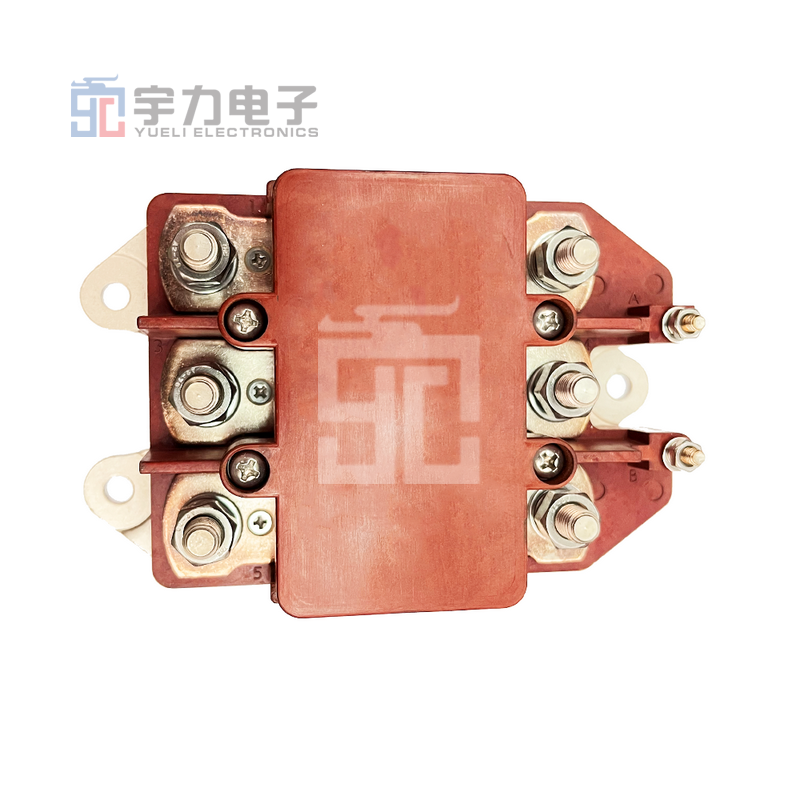
Essential Safety Tips When Working with Three Phase Contactors
Table of Contents
- 1. Introduction to Three Phase Contactors
- 2. Understanding the Dangers of Three Phase Contactors
- 3. Personal Protective Equipment (PPE) for Three Phase Contactors
- 4. Proper Installation Techniques for Safety
- 5. Testing and Maintenance Practices
- 6. Troubleshooting Safety Measures
- 7. Importance of Power Down Procedures
- 8. Conclusion
- 9. Frequently Asked Questions
1. Introduction to Three Phase Contactors
Three phase contactors are pivotal components in industrial and commercial electrical systems. Designed to control the power supply to motors and other heavy electrical equipment, these devices facilitate efficient operation in three-phase circuits. Understanding how to work safely with three phase contactors is crucial for technicians and engineers alike. This article outlines essential safety tips and best practices when engaging with these electrical devices.
2. Understanding the Dangers of Three Phase Contactors
Three phase contactors pose various hazards if not handled properly. Recognizing these dangers is the first step toward ensuring safety.
Electrical Shock Risks
One of the most significant hazards is the risk of electrical shock. While working with live circuits, a technician may inadvertently come into contact with energized components, leading to severe injury or even fatality.
Arc Flash Incidents
Arc flash incidents can occur when there is a short circuit or an accidental discharge of electricity. This can result in extreme heat and pressure, causing burns and other injuries.
Equipment Damage and Downtime
Improper handling can also lead to equipment damage and unplanned downtime. This not only affects the productivity of operations but can also incur substantial financial losses.
3. Personal Protective Equipment (PPE) for Three Phase Contactors
Using appropriate Personal Protective Equipment (PPE) is vital when working with three phase contactors.
Types of PPE
- **Insulated Gloves**: Protect against electrical shock.
- **Safety Glasses**: Shield the eyes from flying debris and potential arc flashes.
- **Hard Hats**: Prevent head injuries from falling objects.
- **Flame-Resistant Clothing**: Essential to protect against burns from arc flashes.
- **Steel-Toe Boots**: Ensure foot safety when working around heavy equipment.
Importance of Regular PPE Checks
Regular inspections of PPE are critical to ensure its effectiveness. Replace any worn or damaged equipment immediately to maintain safety standards.
4. Proper Installation Techniques for Safety
Proper installation of three phase contactors is crucial not only for functionality but also for safety.
Choosing the Right Contactor
Select a contactor rated for the specific load and application. Ensure it meets local electrical codes and standards.
Correct Wiring Procedures
Follow the manufacturer’s installation instructions carefully. Each wire must be connected to its designated terminal, with attention to the color codes and specifications provided.
Testing Connections
After installation, use a multimeter to test the connections before energizing the circuit. This ensures there are no short circuits or improper connections that could lead to hazards.
5. Testing and Maintenance Practices
Regular testing and maintenance are paramount in ensuring the safety and reliability of three phase contactors.
Routine Inspections
Conduct routine inspections to check for signs of wear, overheating, or corrosion. This can help identify potential failures before they pose a danger.
Functional Testing
Perform functional tests to verify that the contactor operates correctly under load. This should be done periodically, especially after maintenance work.
Cleaning and Debris Removal
Keep the contactor and surrounding areas clean. Dust and debris can lead to overheating and reduced efficiency, increasing the risk of malfunction.
6. Troubleshooting Safety Measures
When troubleshooting three phase contactors, it is essential to adhere to safety protocols.
Power Down Before Troubleshooting
Always ensure that power is off before attempting to troubleshoot. Use lockout/tagout procedures to prevent accidental re-energization.
Consulting Technical Documentation
Refer to the manufacturer’s technical documentation for troubleshooting guidelines. This ensures that any problems are addressed correctly and safely.
Involving Qualified Personnel
Involve a qualified technician for complex troubleshooting tasks. Their expertise can prevent unsafe practices and ensure proper handling of electrical equipment.
7. Importance of Power Down Procedures
Implementing effective power-down procedures cannot be overstated.
Lockout/Tagout (LOTO) Procedures
Utilize lockout/tagout procedures to control hazardous energy during maintenance and servicing. This ensures that equipment cannot be unintentionally energized.
Verifying Power Disconnection
After applying LOTO, verify that the power is disconnected using a multimeter. This adds an additional layer of safety before commencing work.
Informing Team Members
Communicate power-down activities with all team members involved in the project. This helps in maintaining a safe work environment and prevents potential accidents.
8. Conclusion
Working with three phase contactors requires a deep understanding of electrical safety and effective practices. By following the guidelines outlined in this article, technicians can mitigate risks and ensure a safe work environment. It is crucial to prioritize safety at every step, from installation to maintenance, to protect not only oneself but also the entire workplace.
9. Frequently Asked Questions
What should I do if I encounter an electrical shock?
Immediately disconnect power if safe to do so, and seek medical attention. Never attempt to touch someone experiencing an electrical shock without ensuring the power is off.
How often should I inspect three phase contactors?
Conduct inspections at regular intervals, typically every six months, or more frequently in high-use environments.
Are there specific certifications required for technicians working with contactors?
Yes, technicians should have relevant electrical safety training and certifications, such as OSHA or NEC training, depending on local regulations.
What is the difference between single-phase and three-phase contactors?
Single-phase contactors are designed for single-phase circuits, while three-phase contactors are built to handle three-phase power, which is more efficient for large motors and industrial applications.
Can I replace a three-phase contactor myself?
Only if you are properly trained and qualified. Otherwise, it is advisable to hire a licensed electrician to ensure safety and compliance with electrical codes.
Xi'an Yuli Electronic Technology Co., Ltd.
Whats App:+8618122061211

Message consultation
Note: Please leave your contact information and our professionals will contact you as soon as possible!