Welcome to the official website of Xi'an Yuli Electronic Technology Co., Ltd.


The Essential Guide to Electromagnetic Contactors: Applications and Benefits
2025-11-24
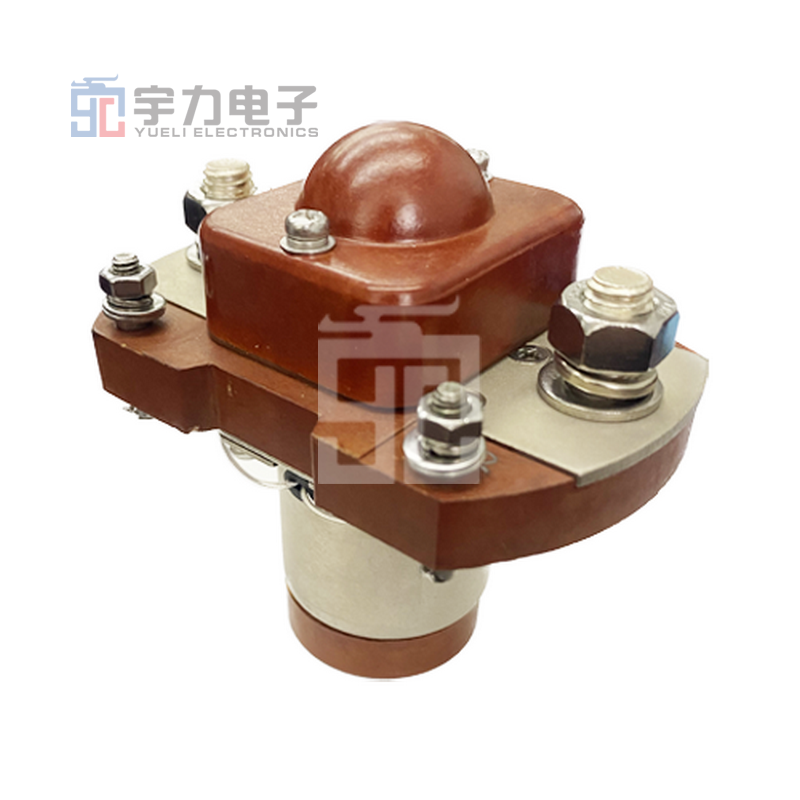
Electromagnetic contactors are pivotal components in the field of electrical engineering, primarily used for switching electrical circuits on and off. These devices are designed to control the operation of motors, lights, and other electrical equipment by allowing high voltage or high current circuits to be switched by low voltage control signals. Understanding the intricacies of electromagnetic contactors is essential for professionals in the electronic component industry.
At the core of an electromagnetic contactor is an electromagnet that actuates a set of contacts. When an electrical current flows through the coil of the electromagnet, it generates a magnetic field that draws the armature toward it, closing the contacts. This mechanism enables the contactor to manage substantial electrical loads safely and efficiently. The ability to switch large currents with a smaller control signal makes electromagnetic contactors invaluable in automation and control systems, enhancing both safety and energy efficiency.
One of the primary applications of electromagnetic contactors is in motor control. In industrial environments, these devices facilitate the starting and stopping of electric motors, which could power machinery in manufacturing lines, HVAC systems, or conveyor belts. By using electromagnetic contactors, operators can automate motor operations, allowing for more precise control over processes while reducing manual intervention.
In addition to motor control, electromagnetic contactors are often utilized in lighting control systems. They enable remote switching of lights, improving energy efficiency in commercial and industrial buildings. The integration of these devices with sensors and timers further enhances their functionality, allowing for optimized lighting based on occupancy or time of day.
Another significant benefit of electromagnetic contactors is their capacity for overload protection. Many modern contactors come equipped with built-in thermal overload relays, which protect the connected equipment from damage due to excessive current. This not only extends the lifespan of the machinery but also ensures operational safety, reducing the risk of electrical fires.
When selecting an electromagnetic contactor, professionals should consider several factors, including the voltage and current rating, coil voltage, and the type of load being switched. Ensuring compatibility with the specific application is crucial for optimal performance and longevity.
In conclusion, electromagnetic contactors are essential components in modern electrical systems, offering reliability, safety, and efficiency. Their widespread applications across various industries underscore their importance in controlling electrical devices. By understanding their functionality and benefits, professionals can make informed decisions, enhancing the performance and safety of their electrical systems.
At the core of an electromagnetic contactor is an electromagnet that actuates a set of contacts. When an electrical current flows through the coil of the electromagnet, it generates a magnetic field that draws the armature toward it, closing the contacts. This mechanism enables the contactor to manage substantial electrical loads safely and efficiently. The ability to switch large currents with a smaller control signal makes electromagnetic contactors invaluable in automation and control systems, enhancing both safety and energy efficiency.
One of the primary applications of electromagnetic contactors is in motor control. In industrial environments, these devices facilitate the starting and stopping of electric motors, which could power machinery in manufacturing lines, HVAC systems, or conveyor belts. By using electromagnetic contactors, operators can automate motor operations, allowing for more precise control over processes while reducing manual intervention.
In addition to motor control, electromagnetic contactors are often utilized in lighting control systems. They enable remote switching of lights, improving energy efficiency in commercial and industrial buildings. The integration of these devices with sensors and timers further enhances their functionality, allowing for optimized lighting based on occupancy or time of day.
Another significant benefit of electromagnetic contactors is their capacity for overload protection. Many modern contactors come equipped with built-in thermal overload relays, which protect the connected equipment from damage due to excessive current. This not only extends the lifespan of the machinery but also ensures operational safety, reducing the risk of electrical fires.
When selecting an electromagnetic contactor, professionals should consider several factors, including the voltage and current rating, coil voltage, and the type of load being switched. Ensuring compatibility with the specific application is crucial for optimal performance and longevity.
In conclusion, electromagnetic contactors are essential components in modern electrical systems, offering reliability, safety, and efficiency. Their widespread applications across various industries underscore their importance in controlling electrical devices. By understanding their functionality and benefits, professionals can make informed decisions, enhancing the performance and safety of their electrical systems.
Xi'an Yuli Electronic Technology Co., Ltd.
Whats App:+8618122061211

Message consultation
Note: Please leave your contact information and our professionals will contact you as soon as possible!