Welcome to the official website of Xi'an Yuli Electronic Technology Co., Ltd.


Understanding DC Contactors: Essential Components for Efficient Electronic Systems
2025-11-26
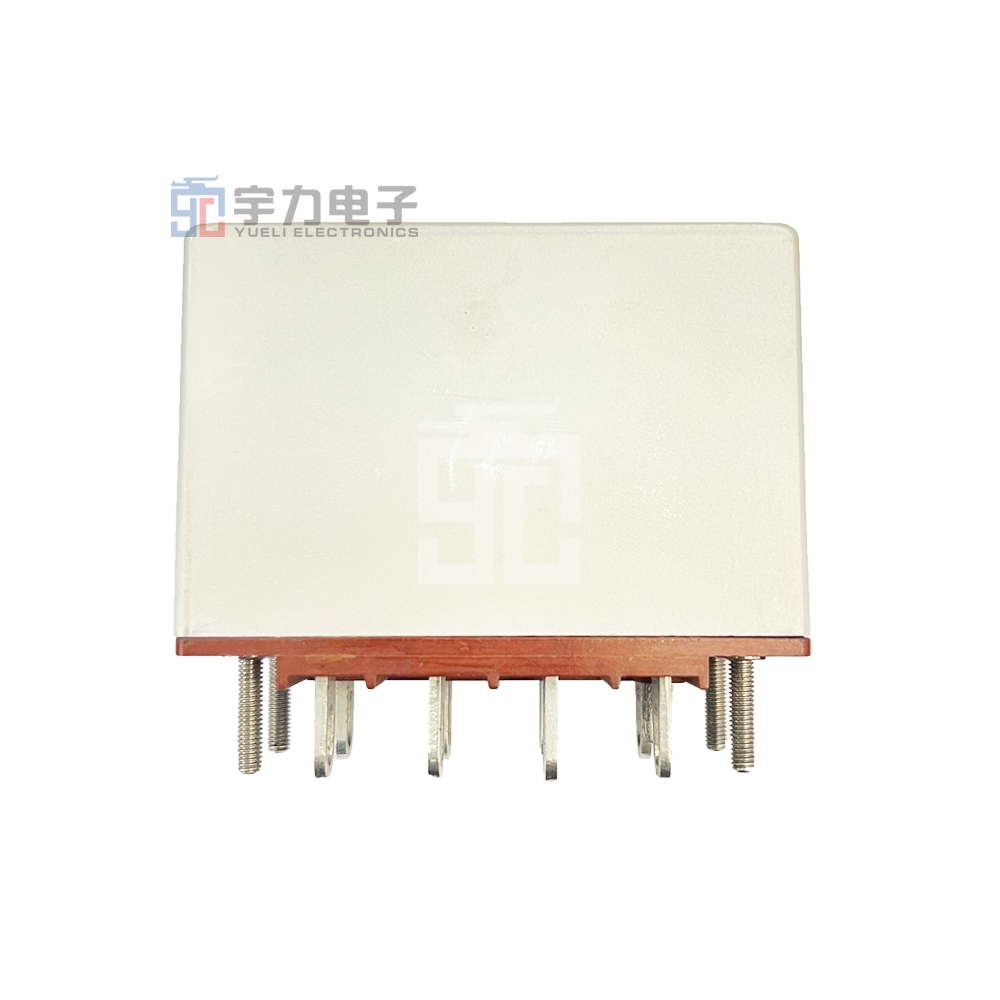
DC contactors are vital components in various electronic systems, serving as electrically operated switches that control the flow of direct current (DC). These devices are designed to manage the high inrush currents and voltages typical in DC circuits, making them essential for switching applications in many industries, including automotive, renewable energy, and industrial machinery.
The primary function of a DC contactor is to open or close a circuit. When energized, the contactor's coil generates a magnetic field, which pulls a movable armature that connects the contacts, allowing current to flow. Conversely, when the coil is de-energized, the armature returns to its original position, breaking the circuit. This operation is crucial in applications where remote control or automation is required, as it enables systems to turn on or off without manual intervention.
One of the significant advantages of using DC contactors is their ability to handle high loads without significant wear and tear. Unlike traditional mechanical switches, which can degrade over time, contactors are built to withstand the electrical and thermal stresses associated with frequent switching. This durability is particularly important in applications where reliability is paramount, such as in electric vehicles and solar panel systems.
When selecting a DC contactor, several technical specifications must be considered to ensure compatibility with the application. These include the rated voltage and current, coil voltage, and the electrical life cycle, which indicates how many cycles the contactor can perform before failure. Additionally, environmental factors such as temperature and humidity can affect performance, so it is essential to choose a contactor that meets the specific conditions of its operating environment.
DC contactors are commonly used in a variety of applications, including motor control, lighting systems, and battery management systems. In motor control, for instance, they facilitate the starting and stopping of DC motors, providing efficient control over speed and torque. In renewable energy systems, DC contactors help manage the connection between solar panels and batteries, optimizing energy storage and usage.
In summary, DC contactors are indispensable in modern electronic systems, enabling efficient and reliable control of DC circuits. Their robust design and ability to handle high loads make them suitable for a wide range of applications. When choosing a DC contactor, understanding the specific requirements of the application ensures optimal performance and longevity. Whether in industrial automation or renewable energy solutions, investing in the right DC contactor can significantly enhance the overall efficiency and reliability of electronic systems.
The primary function of a DC contactor is to open or close a circuit. When energized, the contactor's coil generates a magnetic field, which pulls a movable armature that connects the contacts, allowing current to flow. Conversely, when the coil is de-energized, the armature returns to its original position, breaking the circuit. This operation is crucial in applications where remote control or automation is required, as it enables systems to turn on or off without manual intervention.
One of the significant advantages of using DC contactors is their ability to handle high loads without significant wear and tear. Unlike traditional mechanical switches, which can degrade over time, contactors are built to withstand the electrical and thermal stresses associated with frequent switching. This durability is particularly important in applications where reliability is paramount, such as in electric vehicles and solar panel systems.
When selecting a DC contactor, several technical specifications must be considered to ensure compatibility with the application. These include the rated voltage and current, coil voltage, and the electrical life cycle, which indicates how many cycles the contactor can perform before failure. Additionally, environmental factors such as temperature and humidity can affect performance, so it is essential to choose a contactor that meets the specific conditions of its operating environment.
DC contactors are commonly used in a variety of applications, including motor control, lighting systems, and battery management systems. In motor control, for instance, they facilitate the starting and stopping of DC motors, providing efficient control over speed and torque. In renewable energy systems, DC contactors help manage the connection between solar panels and batteries, optimizing energy storage and usage.
In summary, DC contactors are indispensable in modern electronic systems, enabling efficient and reliable control of DC circuits. Their robust design and ability to handle high loads make them suitable for a wide range of applications. When choosing a DC contactor, understanding the specific requirements of the application ensures optimal performance and longevity. Whether in industrial automation or renewable energy solutions, investing in the right DC contactor can significantly enhance the overall efficiency and reliability of electronic systems.
Previous:
Xi'an Yuli Electronic Technology Co., Ltd.
Whats App:+8618122061211

Message consultation
Note: Please leave your contact information and our professionals will contact you as soon as possible!