Welcome to the official website of Xi'an Yuli Electronic Technology Co., Ltd.


Understanding the Role of Electromagnetic Relays in Modern Electronics: A Comprehensive Insight
2025-11-27
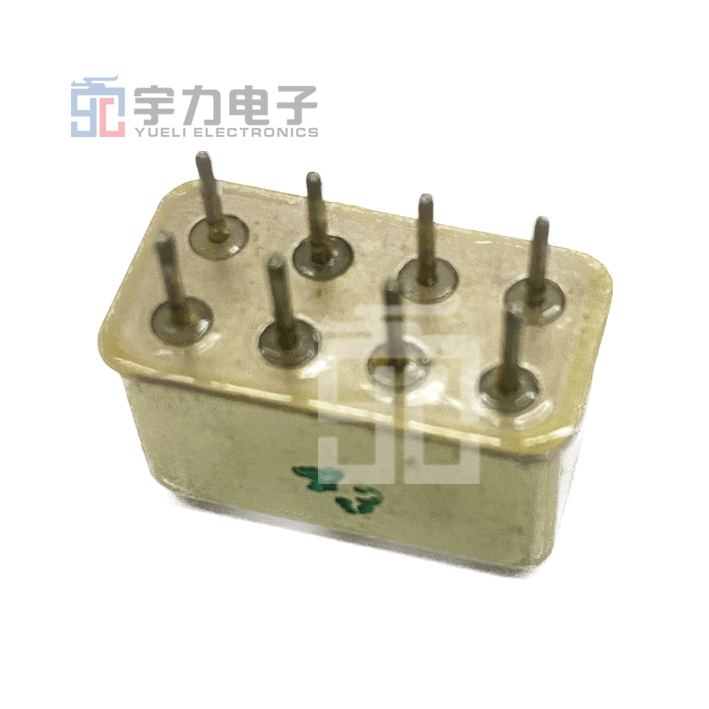
Understanding the Role of Electromagnetic Relays in Modern Electronics
Table of Contents
1. Introduction to Electromagnetic Relays
2. The Mechanism of Electromagnetic Relays
3. Types of Electromagnetic Relays
3.1 General-Purpose Electromagnetic Relays
3.2 Solid State Relays vs. Electromagnetic Relays
3.3 Time Delay Relays and Their Applications
4. Applications of Electromagnetic Relays in Modern Electronics
4.1 Automation and Control Systems
4.2 Industrial Applications
4.3 Automotive Uses of Relays
5. Advantages of Using Electromagnetic Relays
6. Challenges and Considerations in Relay Use
7. Future of Electromagnetic Relays in the Electronics Industry
8. Frequently Asked Questions about Electromagnetic Relays
9. Conclusion
1. Introduction to Electromagnetic Relays
In our increasingly interconnected world, **electromagnetic relays** play a pivotal role in ensuring the smooth operation of various electronic devices. These compact components act as switches that control the flow of electricity, making them essential in numerous applications. Understanding their function and significance can provide insights into their integration in modern technology.
A **relay** can be defined as an electromechanical switch used to control a circuit by a low-power signal or multiple circuits by one signal. The electromagnetic relay operates on the principle of electromagnetism, making it a crucial element in the automation and control sectors.
2. The Mechanism of Electromagnetic Relays
An electromagnetic relay consists of several key components: an electromagnet, a spring, and a set of contacts. When an electric current passes through the coil of the electromagnet, it creates a magnetic field that attracts an armature. This armature is mechanically linked to the relay contacts. When the armature moves, it either opens or closes the contacts, allowing or interrupting the current flow in the connected circuit.
**Key steps in the operation of an electromagnetic relay include:**
1. **Energizing the Coil:** When voltage is applied to the coil, a magnetic field is generated.
2. **Attracting the Armature:** The magnetic field pulls the armature toward the electromagnet.
3. **Switching the Contacts:** The movement of the armature either opens or closes the contacts, changing the state of the circuit.
The speed and reliability of electromagnetic relays make them particularly useful in various applications where timely responses are critical.
3. Types of Electromagnetic Relays
Electromagnetic relays come in various types, each designed for specific applications. Understanding these types can aid in selecting the right relay for a given task.
3.1 General-Purpose Electromagnetic Relays
These are the most common types of relays used in everyday applications. They are versatile and can be used in numerous electronic devices, from home appliances to industrial machinery. They typically have a simple design and are cost-effective.
3.2 Solid State Relays vs. Electromagnetic Relays
While electromagnetic relays use mechanical components to function, solid state relays (SSRs) rely on semiconductor devices. SSRs offer advantages such as faster switching times and longer life spans since they have no moving parts. However, electromagnetic relays are still favored in applications requiring a strong physical separation between circuits.
3.3 Time Delay Relays and Their Applications
Time delay relays are specialized electromagnetic relays that introduce a delay between the application of power and the switching of contacts. This feature is invaluable in systems where sequential operation is critical, such as in HVAC systems where components must operate in a specific order.
4. Applications of Electromagnetic Relays in Modern Electronics
Electromagnetic relays find their application across various fields, enhancing functionality and control in electronic systems.
4.1 Automation and Control Systems
In automation, electromagnetic relays serve as fundamental building blocks. They enable the control of small signals to manage larger currents, facilitating the automation of processes in industries like manufacturing and robotics. For instance, they can switch on heavy machinery with a minimal control signal.
4.2 Industrial Applications
Relays are widely used in industrial settings to control motors, lights, and other devices. Their ability to handle high power loads makes them ideal for managing heavy equipment. They are also crucial in protection circuits, ensuring the safety of devices by interrupting power in case of faults.
4.3 Automotive Uses of Relays
In the automotive industry, electromagnetic relays control various functions such as headlights, wipers, and starter motors. They ensure that electrical signals can control high-voltage systems safely, proving essential for modern vehicle electronics.
5. Advantages of Using Electromagnetic Relays
The use of electromagnetic relays in electronic systems provides several advantages:
- **Isolation of Circuits:** They offer electrical isolation between the control circuit and the load, protecting sensitive components.
- **High Current Handling:** Relays can switch high currents, making them suitable for industrial applications.
- **Versatility:** Their ability to perform multiple functions in various applications makes them invaluable in diverse electronic settings.
6. Challenges and Considerations in Relay Use
While electromagnetic relays offer numerous benefits, they also come with challenges. **Wear and Tear:** The mechanical components can wear out over time, leading to failure. **Switching Speed:** Compared to solid state devices, electromagnetic relays have slower switching speeds, which may be a limitation in fast-paced environments. **Size and Weight:** Some applications may require compact solutions, where electromagnetic relays may not be the best choice.
7. Future of Electromagnetic Relays in the Electronics Industry
As technology continues to advance, the role of electromagnetic relays is evolving. Innovations in materials and design are leading to more efficient and reliable relays. The integration of **smart technologies** and automation systems is likely to expand their applications further.
Moreover, as industries increasingly prioritize safety and efficiency, electromagnetic relays will continue to play a crucial role in circuit protection and control, adapting to the demands of modern electronics.
8. Frequently Asked Questions about Electromagnetic Relays
What is the primary function of an electromagnetic relay?
The primary function of an electromagnetic relay is to act as an electromechanical switch that controls the flow of electricity in a circuit.
How do electromagnetic relays differ from solid state relays?
Electromagnetic relays use mechanical components to function, while solid state relays use semiconductor devices, leading to differences in switching speed, lifespan, and applications.
Can electromagnetic relays handle high voltages?
Yes, electromagnetic relays are designed to handle high voltages and currents, making them suitable for various industrial and automotive applications.
What are the common applications of electromagnetic relays?
Common applications include automation systems, industrial machinery control, automotive electronic systems, and circuit protection.
Are there any limitations to using electromagnetic relays?
Yes, limitations include mechanical wear and tear, slower switching speeds compared to solid state relays, and larger physical size.
9. Conclusion
Electromagnetic relays are integral to modern electronics, ensuring efficient control of electrical systems across various applications. Their unique ability to isolate circuits while handling high power loads makes them indispensable in automation, industrial, and automotive sectors. As technology advances, the evolution of electromagnetic relays will continue, bringing about enhancements that further solidify their role in the future of electronics. Understanding their mechanisms, types, and applications not only helps in selecting the right relay for specific needs but also emphasizes their importance in a rapidly advancing technological landscape.
Xi'an Yuli Electronic Technology Co., Ltd.
Whats App:+8618122061211

Message consultation
Note: Please leave your contact information and our professionals will contact you as soon as possible!