Welcome to the official website of Xi'an Yuli Electronic Technology Co., Ltd.


Understanding High Power Relays: Essential Insights for Electronic Component Applications
2025-11-28
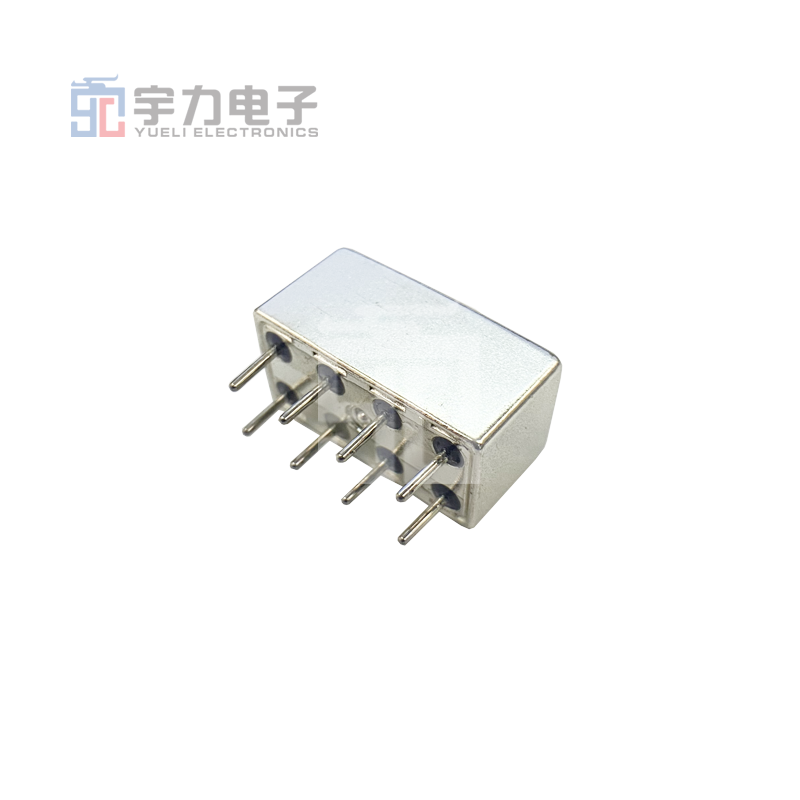
High power relays are vital components in the realm of electronic devices, especially when it comes to controlling high voltage and high current circuits. These relays serve as electrically operated switches, enabling the safe management of power loads that would otherwise be difficult to handle using standard relays. A high power relay typically consists of an electromagnetic coil and one or more sets of contacts that facilitate the on/off control of the connected electrical load.
One of the primary advantages of using high power relays is their ability to isolate control circuits from high power circuits. This feature is essential in protecting sensitive components from potential damage due to voltage spikes or surges. By using a high power relay, you can maintain safe operating conditions for both the control and load circuits.
In addition to their protective qualities, high power relays are also known for their high reliability and durability. Many high power relay models are designed to withstand harsh environmental conditions, making them suitable for applications in industries such as automotive, industrial machinery, and energy management. The choice of materials, contact design, and manufacturing processes all contribute to the longevity and performance of these relays.
When selecting a high power relay for a specific application, there are several key factors to consider. First, it’s crucial to determine the relay's current and voltage ratings, ensuring they meet the requirements of your application. Additionally, the relay's switching speed and durability are important, particularly in scenarios where frequent cycling is necessary. Understanding the operating environment, including temperature and humidity levels, can also influence your choice, as some relays may be better suited for extreme conditions than others.
Another consideration is the relay's control mechanism. High power relays can be activated using various methods, including electromagnetic, solid-state, or thermal processes. Each method has its advantages and drawbacks, so it’s essential to evaluate which type aligns best with your operational needs.
Finally, high power relays can be integrated into various technologies, including automation systems, power management setups, and safety circuits. Their versatility and effectiveness make them indispensable in modern electronic designs.
In summary, understanding the functionalities and applications of high power relays is crucial for anyone involved in electronic component design or implementation. By considering the factors mentioned above, you can select the most appropriate relay for your project, ensuring safety, efficiency, and reliability in high power applications.
One of the primary advantages of using high power relays is their ability to isolate control circuits from high power circuits. This feature is essential in protecting sensitive components from potential damage due to voltage spikes or surges. By using a high power relay, you can maintain safe operating conditions for both the control and load circuits.
In addition to their protective qualities, high power relays are also known for their high reliability and durability. Many high power relay models are designed to withstand harsh environmental conditions, making them suitable for applications in industries such as automotive, industrial machinery, and energy management. The choice of materials, contact design, and manufacturing processes all contribute to the longevity and performance of these relays.
When selecting a high power relay for a specific application, there are several key factors to consider. First, it’s crucial to determine the relay's current and voltage ratings, ensuring they meet the requirements of your application. Additionally, the relay's switching speed and durability are important, particularly in scenarios where frequent cycling is necessary. Understanding the operating environment, including temperature and humidity levels, can also influence your choice, as some relays may be better suited for extreme conditions than others.
Another consideration is the relay's control mechanism. High power relays can be activated using various methods, including electromagnetic, solid-state, or thermal processes. Each method has its advantages and drawbacks, so it’s essential to evaluate which type aligns best with your operational needs.
Finally, high power relays can be integrated into various technologies, including automation systems, power management setups, and safety circuits. Their versatility and effectiveness make them indispensable in modern electronic designs.
In summary, understanding the functionalities and applications of high power relays is crucial for anyone involved in electronic component design or implementation. By considering the factors mentioned above, you can select the most appropriate relay for your project, ensuring safety, efficiency, and reliability in high power applications.
Xi'an Yuli Electronic Technology Co., Ltd.
Whats App:+8618122061211

Message consultation
Note: Please leave your contact information and our professionals will contact you as soon as possible!