Welcome to the official website of Xi'an Yuli Electronic Technology Co., Ltd.


How Miniature Relays Can Save Space in Your Designs
2025-11-29
How Miniature Relays Can Save Space in Your Designs
Introduction to Miniature Relays
In the ever-evolving world of electronics, the demand for compact, efficient components is incessantly growing. **Miniature relays** are at the forefront of this trend, providing robust solutions without compromising on performance. These small yet powerful devices can help designers create more efficient layouts, streamline operations, and save precious space in their designs.
Understanding What Miniature Relays Are
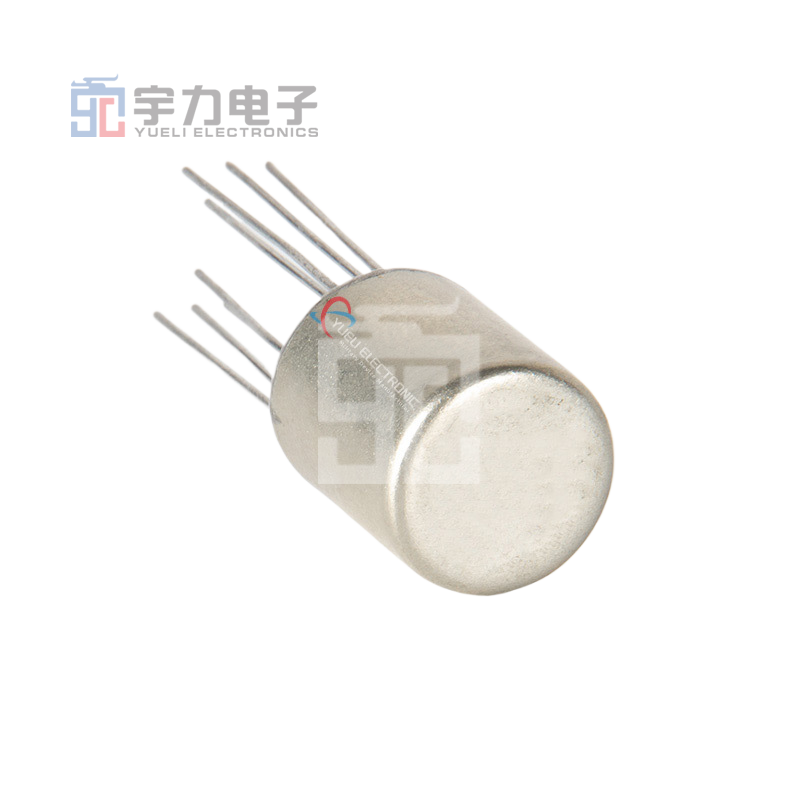
Miniature relays are electromechanical switches that allow a low-power signal to control a higher power circuit. Their compact size makes them ideal for various applications, from consumer electronics to automotive systems. By using a miniature relay, engineers can ensure reliable operation while minimizing the footprint of their designs.
The Anatomy of Miniature Relays
To fully appreciate the benefits of miniature relays, it’s crucial to understand their components:
- **Electromagnet**: The core of the relay that activates the switch.
- **Armature**: A movable part that connects or disconnects the circuit.
- **Contacts**: The conductive paths through which current flows when the relay is activated.
- **Spring**: Returns the armature to its original position when the relay is off.
Advantages of Using Miniature Relays
The advantages of incorporating miniature relays into your designs extend beyond just saving space. Here are some key benefits:
1. Space Efficiency
Miniature relays are designed to take up minimal space. By utilizing these smaller components, designers can create more compact devices, allowing for increased functionality without enlarging the product size. This is particularly beneficial in applications where space is at a premium, such as in mobile devices or compact automation systems.
2. Cost-Effectiveness
Lesser material usage and improved manufacturing processes contribute to the cost-effectiveness of miniature relays. By opting for smaller components, businesses can reduce overall production costs while maintaining quality, ultimately enhancing their competitive edge.
3. Versatility in Applications
Miniature relays are incredibly versatile and can be used in various applications, including:
- Home automation systems
- Communication devices
- Industrial control systems
- Automotive electronics
This adaptability allows engineers to implement them in diverse projects, streamlining their designs.
4. Energy Efficiency
With increasing emphasis on sustainability, energy-efficient components are becoming a necessity in modern designs. Miniature relays consume less power, which is crucial in battery-operated devices. This efficiency contributes to longer battery life and lower operational costs.
5. Reliability and Longevity
Miniature relays are engineered for high reliability, ensuring consistent performance over time. They are designed to withstand electrical and mechanical stress, making them suitable for demanding environments.
Designing with Miniature Relays: Best Practices
When incorporating miniature relays into your designs, several best practices can help you maximize their benefits:
1. Proper Selection of Relay Type
Choose the right type of relay based on your application. Consider factors such as switching capacity, coil voltage, and physical dimensions. Ensuring compatibility with your circuit is vital for optimal performance.
2. Layout Considerations
Plan your PCB layout carefully. **Miniature relays** can save space, but improper placement can lead to interference or signal integrity issues. Maintain adequate spacing to prevent thermal and electrical interference.
3. Testing and Validation
Always conduct thorough testing after integrating miniature relays into your designs. Validate their performance under various conditions to ensure they meet your specifications.
Common Applications of Miniature Relays
Miniature relays find utility across numerous industries. Here are some of the most common applications:
1. Home Automation
With the rise of smart home technology, miniature relays are essential in controlling lighting, security systems, and HVAC units. Their compact size allows for seamless integration into existing systems.
2. Automotive Applications
In vehicles, miniature relays control various functions, from lighting to power windows. Their reliability is paramount, ensuring that components operate safely and effectively.
3. Industrial Automation
Miniature relays play a crucial role in industrial control systems, managing processes and machinery efficiently. They enable automation while conserving space in control panels.
4. Telecommunications
In communication devices, miniature relays assist in switching signals and managing power distribution, ensuring smooth operation of devices used in data transmission.
5. Medical Devices
In the medical field, reliability is non-negotiable. Miniature relays are utilized in various medical equipment, ensuring precise control over critical functions.
The Future of Miniature Relays in Electronic Design
As technology continues to advance, the **future of miniature relays** looks promising. Innovations in materials and manufacturing techniques will likely lead to even smaller and more efficient devices. This evolution will facilitate the creation of more compact electronic designs, enhancing both functionality and user experience.
Trends to Watch
- **Integration with Smart Technologies**: As IoT devices proliferate, miniature relays will be integral in managing connectivity and control.
- **Enhanced Durability**: Future miniature relays will likely feature improved resilience against harsh environmental conditions.
- **Smart Relays**: The development of smart relays with integrated sensors and communication capabilities will pave the way for more intelligent systems.
Frequently Asked Questions (FAQs)
1. What is the difference between a miniature relay and a standard relay?
A miniature relay is significantly smaller than a standard relay while performing similar functions. They are designed for applications where space is limited.
2. How do I choose the right miniature relay for my application?
Consider the switching capacity, coil voltage, and size when selecting a miniature relay. Ensure compatibility with your circuit requirements.
3. Are miniature relays suitable for high-power applications?
While miniature relays can handle moderate power levels, they may not be suitable for high-power applications. Always check the specifications.
4. Can miniature relays be used in automotive applications?
Yes, miniature relays are commonly used in automotive applications due to their reliability and compact size.
5. What factors affect the lifespan of miniature relays?
Factors such as switching frequency, load type, and operating environment can significantly influence the lifespan of miniature relays.
Conclusion
In the realm of electronic design, **miniature relays** stand out as essential components that offer significant advantages, particularly in maximizing space efficiency. Their versatility, cost-effectiveness, and reliability make them indispensable for a wide range of applications. By integrating miniature relays into your designs, you can not only enhance functionality but also foster innovation in an increasingly compact world. As technology continues to advance, embracing these small but powerful devices will undoubtedly position your projects ahead of the curve.
Xi'an Yuli Electronic Technology Co., Ltd.
Whats App:+8618122061211

Message consultation
Note: Please leave your contact information and our professionals will contact you as soon as possible!