Welcome to the official website of Xi'an Yuli Electronic Technology Co., Ltd.


Understanding Sealed Relays: A Comprehensive Guide for Electronic Components
2025-11-30
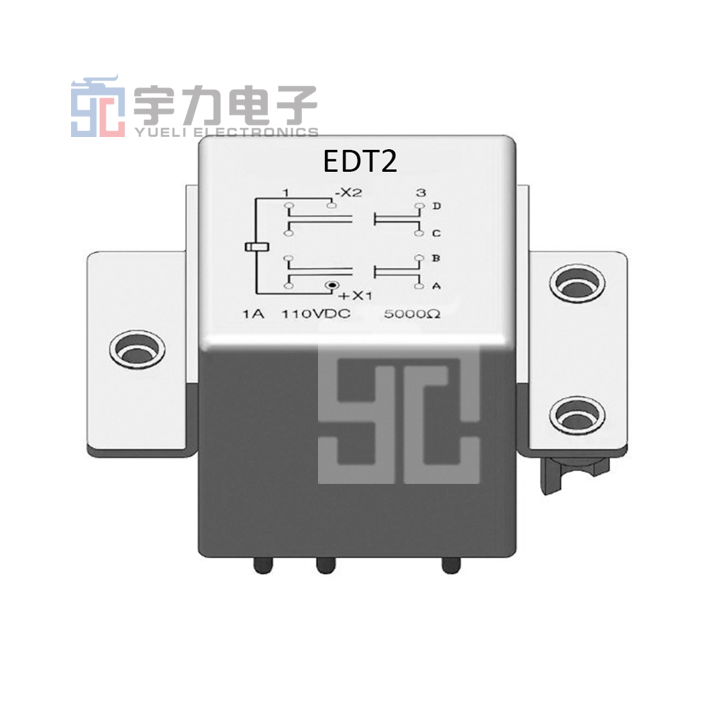
In the world of electronic components, relays play a crucial role in controlling electrical circuits. Among the various types of relays available, sealed relays stand out for their unique construction and performance characteristics. A sealed relay is designed to protect its internal components from environmental factors such as dust, moisture, and temperature fluctuations. This protective feature makes them ideal for applications in harsh conditions, ensuring reliability and longevity.
One of the primary advantages of sealed relays is their ability to function effectively in challenging environments. The encapsulation of the relay's internal components not only shields them from contaminants but also helps to maintain consistent performance over time. This is particularly important in industries such as automotive, aerospace, and industrial automation, where equipment is often exposed to extreme conditions.
Sealed relays are available in various configurations, including electromagnetic and solid-state types. Electromagnetic sealed relays use a coil to generate a magnetic field, which then actuates the switch mechanism. In contrast, solid-state sealed relays utilize semiconductor technology, offering faster switching speeds and greater durability. The choice between these types often depends on the specific requirements of the application, including switching speed, load capacity, and environmental considerations.
When selecting a sealed relay, it is essential to consider factors such as voltage rating, current handling capacity, and switching frequency. Additionally, the form factor and mounting options should align with the design specifications of the project. Understanding these parameters helps ensure that the chosen relay will perform optimally in its intended application.
Sealed relays are widely used in numerous applications, from controlling motors and lights to managing complex automation systems. Their robustness makes them suitable for use in outdoor equipment, appliances, and various electronic devices where exposure to the elements is a concern. Moreover, sealed relays are often employed in safety-critical applications, where failure could lead to significant consequences.
In summary, sealed relays are an invaluable component in electronic systems, offering enhanced protection and reliability for a wide range of applications. By providing insights into their construction, advantages, and selection criteria, professionals in the electronics industry can make informed decisions when incorporating these components into their designs. Understanding the role of sealed relays not only elevates design efficiency but also contributes to the overall success of electronic projects in demanding environments.
One of the primary advantages of sealed relays is their ability to function effectively in challenging environments. The encapsulation of the relay's internal components not only shields them from contaminants but also helps to maintain consistent performance over time. This is particularly important in industries such as automotive, aerospace, and industrial automation, where equipment is often exposed to extreme conditions.
Sealed relays are available in various configurations, including electromagnetic and solid-state types. Electromagnetic sealed relays use a coil to generate a magnetic field, which then actuates the switch mechanism. In contrast, solid-state sealed relays utilize semiconductor technology, offering faster switching speeds and greater durability. The choice between these types often depends on the specific requirements of the application, including switching speed, load capacity, and environmental considerations.
When selecting a sealed relay, it is essential to consider factors such as voltage rating, current handling capacity, and switching frequency. Additionally, the form factor and mounting options should align with the design specifications of the project. Understanding these parameters helps ensure that the chosen relay will perform optimally in its intended application.
Sealed relays are widely used in numerous applications, from controlling motors and lights to managing complex automation systems. Their robustness makes them suitable for use in outdoor equipment, appliances, and various electronic devices where exposure to the elements is a concern. Moreover, sealed relays are often employed in safety-critical applications, where failure could lead to significant consequences.
In summary, sealed relays are an invaluable component in electronic systems, offering enhanced protection and reliability for a wide range of applications. By providing insights into their construction, advantages, and selection criteria, professionals in the electronics industry can make informed decisions when incorporating these components into their designs. Understanding the role of sealed relays not only elevates design efficiency but also contributes to the overall success of electronic projects in demanding environments.
Xi'an Yuli Electronic Technology Co., Ltd.
Whats App:+8618122061211

Message consultation
Note: Please leave your contact information and our professionals will contact you as soon as possible!