Welcome to the official website of Xi'an Yuli Electronic Technology Co., Ltd.


Customizing Your Three Phase Relay for Specific Electrical Needs: A Comprehensive Guide
2025-12-01
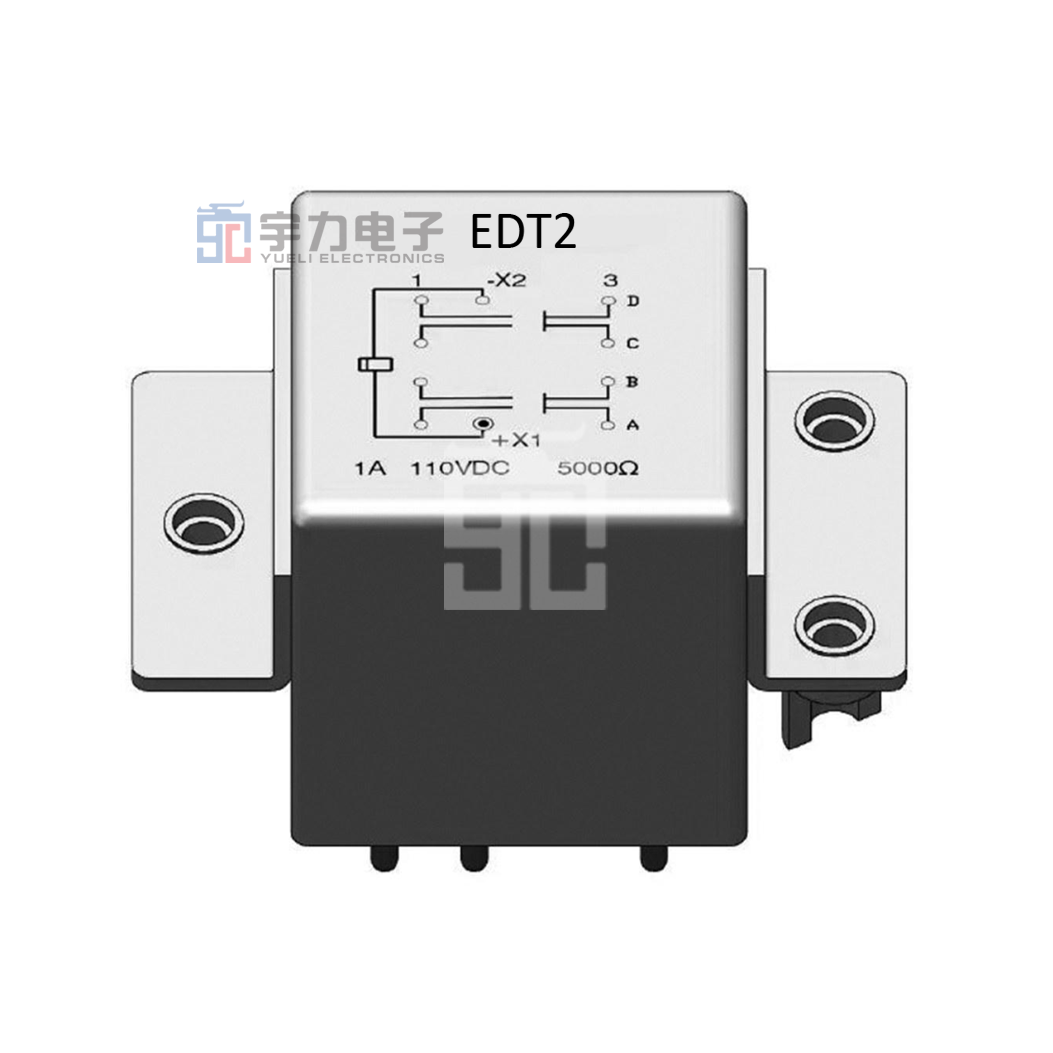
Customizing Your Three Phase Relay for Specific Electrical Needs
In the world of electrical engineering, the importance of reliable and efficient relay systems cannot be overstated. A three-phase relay serves as a crucial component in various industrial applications, ensuring the safe and efficient operation of electrical equipment. Customizing these relays to meet specific electrical needs can significantly enhance functionality and reliability. This article delves into the intricacies of three-phase relay customization, providing insights into types, features, and practical applications.
Table of Contents
- Understanding Three Phase Relays
- The Importance of Customization in Three Phase Relays
- Types of Three Phase Relays
- Customization Options for Three Phase Relays
- Installation and Configuration of Customized Relays
- Testing and Validation of Customized Three Phase Relays
- Common Applications for Customized Three Phase Relays
- Frequently Asked Questions (FAQs)
- Conclusion
Understanding Three Phase Relays
A three-phase relay is an electromechanical device designed to monitor and control three-phase electrical systems. These relays can detect abnormal conditions such as overcurrent, undercurrent, phase imbalance, and voltage fluctuations. By isolating faulty circuits, they protect equipment and ensure seamless operation. Understanding the fundamental workings of these relays is essential for effective customization.
How Do Three Phase Relays Work?
Three-phase relays operate by monitoring the current and voltage levels within a circuit. When the relay detects an anomaly, it triggers a response, which can range from sending an alert to disconnecting power from a specific circuit. The functionality hinges on sensitive components that react to electrical changes, making calibration and customization vital for optimal performance.
The Importance of Customization in Three Phase Relays
Customization plays a pivotal role in ensuring that three-phase relays effectively meet the unique demands of various applications. Different industries have specific operational requirements, and a one-size-fits-all approach often falls short. Tailoring relays to suit particular needs can enhance performance, extend longevity, and ensure regulatory compliance.
Benefits of Customization
- Enhanced Performance: Custom relays are designed to function optimally within specified parameters, ensuring efficient operation.
- Increased Reliability: Customized settings reduce the likelihood of malfunctions, promoting a higher level of system reliability.
- Cost Efficiency: Tailoring relays can lead to lower operational costs by minimizing downtime and maintenance expenses.
- Regulatory Compliance: Customized relays ensure adherence to industry standards and regulations, reducing legal risks.
Types of Three Phase Relays
Understanding the types of three-phase relays available is crucial for effective customization. Each type serves specific functions and is suited for different applications.
1. Overcurrent Relays
These relays are designed to protect circuits from excessive current. They can be set to allow a certain level of current before triggering an alarm or disconnection. Customization options include time delay settings and current thresholds.
2. Voltage Relays
Voltage relays monitor the voltage levels in a system. They can be customized to activate under specific voltage conditions, such as overvoltage or undervoltage situations. Tailoring these settings is essential in sensitive environments.
3. Phase Failure Relays
These relays monitor the phase conditions of the electrical supply. Customization allows for specific phase monitoring configurations, ensuring that any phase loss or imbalance is quickly addressed.
4. Temperature Relays
Temperature relays are crucial for applications where overheating can lead to equipment failure. Custom settings can define temperature thresholds and response times, ensuring proactive measures are taken to prevent damage.
5. Timer Relays
Incorporating timing functions, these relays control the duration of operation in circuits. Customization can include adjustable timers for delays and operational durations tailored to specific processes.
Customization Options for Three Phase Relays
Customizing a three-phase relay involves various parameters that can be adjusted to meet specific needs. Below are some key options available for tailoring your relay:
1. Current Rating Adjustments
Adjusting the current rating allows the relay to operate effectively within the specific load conditions of your application. Assessing the load requirements and customizing the relay accordingly ensures optimal protection and performance.
2. Voltage Level Settings
Setting voltage levels ensures that the relay responds appropriately to voltage fluctuations. This customization can safeguard equipment in environments where voltage levels are variable or unpredictable.
3. Time Delay Configurations
Time delay settings enable users to define how quickly a relay should respond to a fault condition. Customizing this feature can prevent unnecessary trips in stable systems while ensuring timely protection during faults.
4. Sensitivity Adjustments
Adjusting the sensitivity of relays can help in fine-tuning their responsiveness. This is particularly important in applications where minor fluctuations need to be monitored without triggering false alarms.
5. Communication Interfaces
Some relays can be customized with communication capabilities, allowing them to integrate with monitoring systems. This feature enables real-time data collection and analysis, enhancing overall system management.
Installation and Configuration of Customized Relays
Proper installation and configuration are crucial to ensuring that customized three-phase relays perform as intended. Here’s a detailed overview of the installation process:
1. Preparing for Installation
Before installation, assess the electrical environment and gather necessary tools. Familiarize yourself with the relay’s manual and installation guidelines, ensuring compliance with local electrical codes.
2. Physical Installation
Mount the relay securely in a location that provides protection from environmental conditions. Ensure that all electrical connections are tight and properly insulated to prevent short circuits.
3. Configuration Settings
Following the physical installation, configure the relay settings according to the predetermined customization options. This includes adjusting current ratings, voltage levels, time delays, and other parameters as needed.
4. Testing the Installation
Once installed and configured, conduct a series of tests to validate the relay’s functionality. Monitor its response to simulated faults to ensure it meets the customized specifications.
Testing and Validation of Customized Three Phase Relays
Testing is a critical phase in the customization process. It ensures that the relay operates according to its specifications and fulfills the intended purpose effectively.
1. Functional Testing
Conduct functional tests by simulating various conditions the relay will encounter during operation. This includes testing under normal operating conditions and during fault scenarios to verify the relay's responsiveness.
2. Calibration Checks
Calibrate the relay settings after initial testing to fine-tune its performance. This may involve adjusting sensitivity levels and response times based on the results of functional tests.
3. Long-Term Testing
Implement long-term testing to evaluate the relay's performance over an extended period. Monitor for any operational issues or deviations from expected behavior to ensure reliability under real-world conditions.
Common Applications for Customized Three Phase Relays
Customized three-phase relays find applications across various industries, each requiring specific functionalities to enhance operational efficiency and safety.
1. Manufacturing Plants
In manufacturing, three-phase relays are used to protect motors and machinery from overloads and phase failures. Customization allows for tailored settings that align with unique production processes.
2. Power Generation Facilities
Power plants utilize customized relays to manage complex electrical systems, ensuring stable generation and distribution. Specific configurations enhance the monitoring of equipment health and performance.
3. HVAC Systems
Heating, ventilation, and air conditioning (HVAC) systems benefit from customized three-phase relays that monitor compressor operations and prevent overheating, ensuring efficient climate control.
4. Renewable Energy Systems
In renewable energy applications, customized relays play a critical role in managing power flow and protecting systems from grid fluctuations, ensuring reliable energy generation and distribution.
Frequently Asked Questions (FAQs)
1. What is a three-phase relay?
A three-phase relay is an electrical device that monitors and controls three-phase electrical systems, providing protection against abnormal conditions such as overloads and phase imbalances.
2. Why is customization necessary for three-phase relays?
Customization ensures that relays meet the specific operational needs of different applications, enhancing performance, reliability, and compliance with industry standards.
3. What types of faults can three-phase relays detect?
Three-phase relays can detect faults such as overcurrent, undervoltage, phase failure, and phase imbalance, enabling quick responses to prevent equipment damage.
4. How do I know if my customized relay is functioning correctly?
Conduct functional and long-term testing to evaluate the relay’s responsiveness and performance under various conditions to ensure it operates effectively.
5. Can I modify existing relays, or do I need to purchase new ones?
Many existing relays can be modified with the right tools and expertise. However, purchasing new relays designed for specific applications may offer better efficiency and performance.
Conclusion
Customizing your three-phase relay is a vital step in optimizing electrical systems for specific applications. With a comprehensive understanding of relay types, customization options, and installation processes, we can ensure that your electrical systems operate efficiently and reliably. By investing in tailored solutions, you enhance performance, extend equipment lifespan, and promote safety within your operations. Embrace the potential of customized three-phase relays and elevate your electrical systems to meet the demands of modern industry.
Xi'an Yuli Electronic Technology Co., Ltd.
Whats App:+8618122061211

Message consultation
Note: Please leave your contact information and our professionals will contact you as soon as possible!