Welcome to the official website of Xi'an Yuli Electronic Technology Co., Ltd.


Understanding Signal Relays: Essential Components for Efficient Circuit Design
2025-12-02
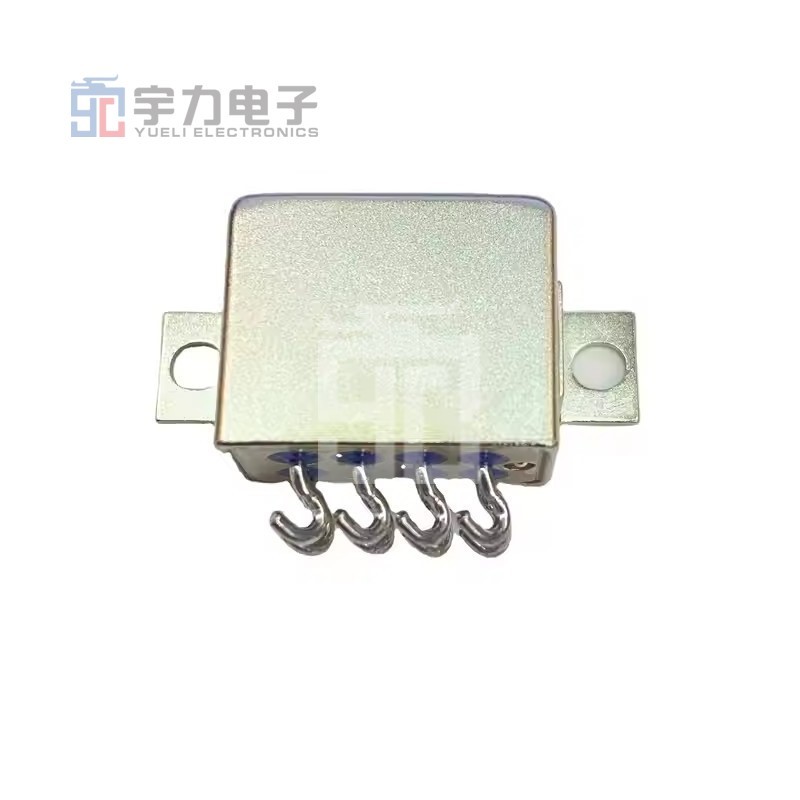
Signal relays are vital components within the realm of electronics, particularly in applications that require the reliable transmission of signals between different parts of a circuit. These devices function as switches that allow low-power signals to control higher-power circuits, making them indispensable in various applications, including telecommunications, automation, and control systems.
One of the primary advantages of signal relays is their ability to isolate different circuit sections. This isolation protects sensitive components from high voltages or currents, which can lead to damage or malfunction. By using a signal relay, designers can ensure that a low-voltage control signal can safely manage a high-voltage load without direct electrical connection. This characteristic also enhances system safety and durability, particularly in environments where electrical surges or spikes are common.
Signal relays come in various types, including electromagnetic, solid-state, and reed relays, each offering distinct operational characteristics. Electromagnetic relays utilize an electromagnet to mechanically operate a switch, providing robust performance and a wide range of operational voltages. Solid-state relays, on the other hand, utilize semiconductor devices to switch signals without moving parts, resulting in faster switching speeds, reduced wear, and higher reliability over time. Reed relays, known for their compact size and quick response times, contain a pair of magnetic reeds that close when exposed to a magnetic field, making them suitable for applications requiring rapid switching.
When considering the integration of signal relays into circuit designs, several factors must be taken into account. These include the relay's contact configuration, coil voltage ratings, switching capacity, and the environmental conditions it will be subjected to. Proper selection ensures the relay can handle the expected load while minimizing the risk of failure. Furthermore, understanding the relay's operating life and endurance under specific conditions is critical for maintaining long-term system performance.
Another aspect to consider is the relay's response time, especially in high-speed applications. Signal relays vary in their actuation times; therefore, selecting the right type that aligns with the operational requirements of the application is essential.
In conclusion, signal relays play a crucial role in modern electronic systems, providing essential functions such as isolation, control, and signal integrity. By understanding their types, operational principles, and key selection criteria, engineers and designers can effectively incorporate signal relays into their projects, enhancing functionality and reliability while optimizing performance in diverse applications.
One of the primary advantages of signal relays is their ability to isolate different circuit sections. This isolation protects sensitive components from high voltages or currents, which can lead to damage or malfunction. By using a signal relay, designers can ensure that a low-voltage control signal can safely manage a high-voltage load without direct electrical connection. This characteristic also enhances system safety and durability, particularly in environments where electrical surges or spikes are common.
Signal relays come in various types, including electromagnetic, solid-state, and reed relays, each offering distinct operational characteristics. Electromagnetic relays utilize an electromagnet to mechanically operate a switch, providing robust performance and a wide range of operational voltages. Solid-state relays, on the other hand, utilize semiconductor devices to switch signals without moving parts, resulting in faster switching speeds, reduced wear, and higher reliability over time. Reed relays, known for their compact size and quick response times, contain a pair of magnetic reeds that close when exposed to a magnetic field, making them suitable for applications requiring rapid switching.
When considering the integration of signal relays into circuit designs, several factors must be taken into account. These include the relay's contact configuration, coil voltage ratings, switching capacity, and the environmental conditions it will be subjected to. Proper selection ensures the relay can handle the expected load while minimizing the risk of failure. Furthermore, understanding the relay's operating life and endurance under specific conditions is critical for maintaining long-term system performance.
Another aspect to consider is the relay's response time, especially in high-speed applications. Signal relays vary in their actuation times; therefore, selecting the right type that aligns with the operational requirements of the application is essential.
In conclusion, signal relays play a crucial role in modern electronic systems, providing essential functions such as isolation, control, and signal integrity. By understanding their types, operational principles, and key selection criteria, engineers and designers can effectively incorporate signal relays into their projects, enhancing functionality and reliability while optimizing performance in diverse applications.
Xi'an Yuli Electronic Technology Co., Ltd.
Whats App:+8618122061211

Message consultation
Note: Please leave your contact information and our professionals will contact you as soon as possible!