Welcome to the official website of Xi'an Yuli Electronic Technology Co., Ltd.


How Aerospace Relays Enhance Power Management in Electronics
2025-12-03
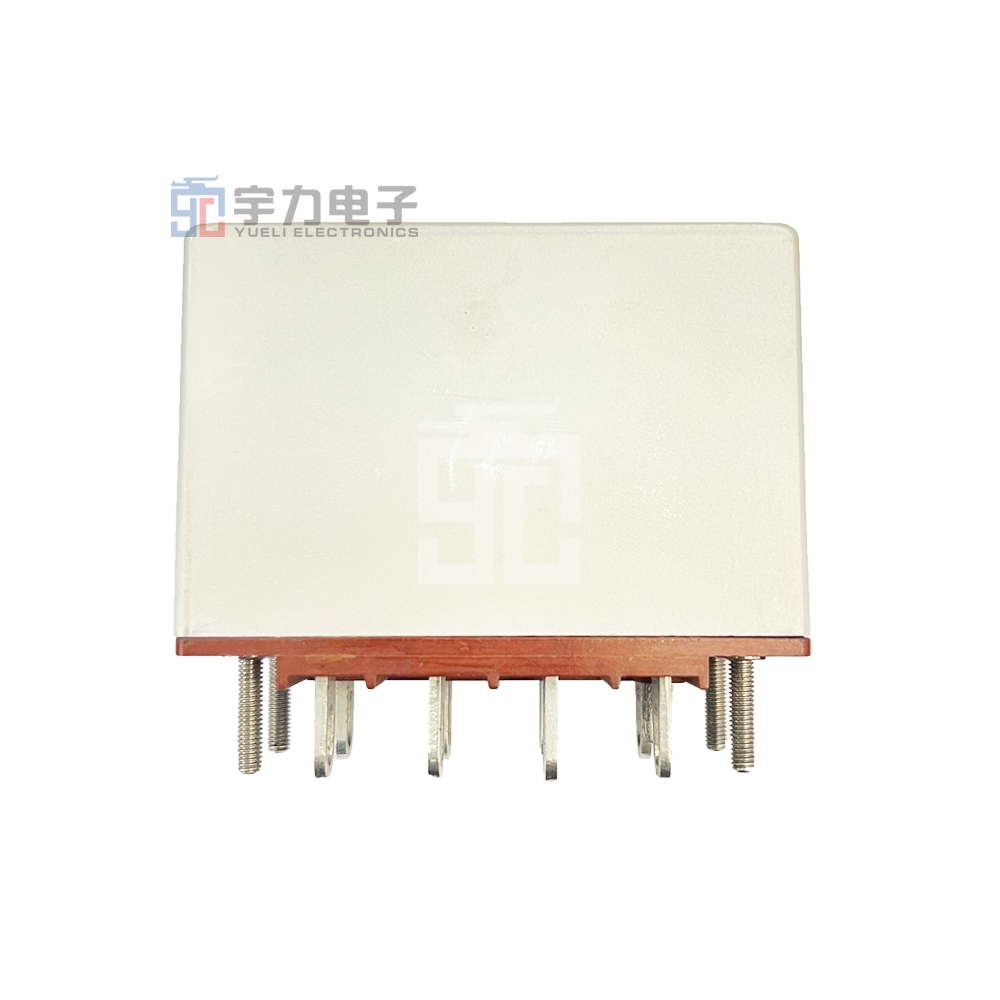
How Aerospace Relays Enhance Power Management in Electronics
In the realm of electronic systems, efficient power management is crucial for performance and reliability. Aerospace relays have emerged as essential components, significantly contributing to power management practices across various industries. From aircraft systems to advanced electronic devices, aerospace relays ensure that power is distributed effectively, maintaining safety and functionality. This article explores how aerospace relays improve power management in electronics, highlighting their features, benefits, applications, and future trends.
Table of Contents
- 1. Understanding Aerospace Relays
- 2. The Importance of Power Management in Electronics
- 3. Key Features of Aerospace Relays
- 4. How Aerospace Relays Improve Power Distribution
- 5. Applications of Aerospace Relays in Electronics
- 6. Advantages of Using Aerospace Relays
- 7. Future Trends in Aerospace Relay Technology
- 8. Frequently Asked Questions (FAQs)
1. Understanding Aerospace Relays
Aerospace relays are specialized electromechanical switches designed to control high-voltage and high-current circuits within aerospace and military applications. These relays are engineered to withstand extreme environmental conditions, including high altitudes, temperature fluctuations, and vibrations. Their primary function is to enable or disable electrical circuits, making them vital for managing power distribution in complex electronic systems.
1.1 What Sets Aerospace Relays Apart?
The design and construction of aerospace relays distinguish them from standard relays. They incorporate robust materials and advanced technologies to ensure reliability and performance. Aerospace relays often use hermetic sealing, which protects the internal components from moisture, dust, and other contaminants, further enhancing their durability and lifespan.
2. The Importance of Power Management in Electronics
Power management is a critical aspect of electronic engineering, aiming to optimize the distribution and consumption of electrical energy. Efficient power management helps improve system performance, reduce energy waste, and prolong the lifespan of electronic components. In aerospace, where reliability and safety are paramount, power management becomes even more crucial.
2.1 Challenges in Power Management
Electronic systems face various challenges in power management, including:
- Voltage fluctuations that can damage sensitive components.
- Heat generation that can lead to component failure.
- Energy loss due to inefficient power distribution.
Aerospace relays address these challenges by providing reliable switching capabilities, ensuring that power is managed effectively across various circuits.
3. Key Features of Aerospace Relays
The effectiveness of aerospace relays in power management is attributed to several key features:
3.1 High Reliability
Aerospace relays are designed for high reliability, with rigorous testing protocols to ensure they can withstand the demanding conditions of aerospace environments.
3.2 Wide Operating Temperature Range
These relays can operate effectively in extreme temperatures, from -55°C to +125°C, making them suitable for diverse applications.
3.3 Lightweight Design
Weight is a critical factor in aerospace applications. Aerospace relays are engineered to be lightweight without compromising strength and durability.
3.4 Fast Switching Speeds
Fast switching capabilities allow aerospace relays to respond quickly to changes in power demands, enhancing overall system efficiency.
4. How Aerospace Relays Improve Power Distribution
Aerospace relays play a pivotal role in optimizing power distribution by:
4.1 Reducing Voltage Drop
By providing a reliable connection that minimizes resistance, aerospace relays help reduce voltage drop across circuits, ensuring that components receive the necessary power levels.
4.2 Enhancing Circuit Protection
Aerospace relays often include built-in protection mechanisms against overcurrent and short circuits, safeguarding electronic components from potential damage.
4.3 Enabling Remote Control and Automation
Modern aerospace relays can be integrated into automated systems, allowing for remote monitoring and control of power distribution, which is vital for efficiency in aerospace applications.
5. Applications of Aerospace Relays in Electronics
The versatility of aerospace relays makes them applicable in various fields:
5.1 Aviation and Space Exploration
In aviation, aerospace relays are used in cockpit instrumentation, landing gear systems, and navigation systems. In space exploration, they are critical for satellite power management and control systems.
5.2 Military Systems
Aerospace relays are extensively used in military electronics, including communication systems, missile control systems, and radar technology, where reliability is essential.
5.3 Automotive Applications
With the rise of electric and autonomous vehicles, aerospace relays are increasingly employed in automotive applications, managing power distribution for critical systems like battery management and electronic controls.
6. Advantages of Using Aerospace Relays
The adoption of aerospace relays in power management offers several advantages:
6.1 Increased System Efficiency
By optimizing power distribution and minimizing energy losses, aerospace relays enhance the overall efficiency of electronic systems.
6.2 Improved Safety
The protective features of aerospace relays help prevent electrical failures and potential hazards, ensuring the safety of both equipment and personnel.
6.3 Long Lifespan
Due to their robust construction and design, aerospace relays typically have a longer lifespan compared to conventional relays, reducing maintenance costs and downtime.
7. Future Trends in Aerospace Relay Technology
The field of aerospace relay technology is evolving, with several trends shaping its future:
7.1 Miniaturization
As electronic systems become smaller and more compact, the demand for miniaturized aerospace relays is on the rise. Manufacturers are focusing on developing smaller relays that maintain high performance standards.
7.2 Smart Capabilities
The integration of smart technologies into aerospace relays is becoming more common. This includes the use of sensors and connectivity features that enable real-time monitoring and diagnostics.
7.3 Enhanced Materials
Advancements in materials science are leading to the development of new relay materials that offer improved performance, durability, and environmental resistance.
8. Frequently Asked Questions (FAQs)
8.1 What is the primary function of aerospace relays?
Aerospace relays serve as electromechanical switches that control high-voltage and high-current circuits, ensuring reliable power management in electronic systems.
8.2 How do aerospace relays differ from regular relays?
Aerospace relays are designed to withstand harsher environments and offer higher reliability, while regular relays may not have the same durability and performance specifications.
8.3 What industries benefit from aerospace relays?
Industries such as aviation, space exploration, military, and automotive significantly benefit from the use of aerospace relays in their electronic systems.
8.4 Are aerospace relays expensive?
While aerospace relays may be more expensive than standard relays due to their specialized design and robust materials, their long lifespan and reliability can lead to cost savings in the long run.
8.5 Can aerospace relays be used in commercial electronics?
Yes, aerospace relays can be used in commercial electronics, particularly in applications where reliability and safety are critical.
Conclusion
Aerospace relays play a vital role in enhancing power management within electronic systems, ensuring efficient power distribution, reliability, and safety. Their unique features and capabilities make them indispensable in aerospace, military, and advanced automotive applications. As technology continues to evolve, the future of aerospace relays looks promising, with innovations in design, materials, and smart capabilities paving the way for even greater advancements in power management. Understanding the significance of aerospace relays not only highlights their importance in modern electronics but also sets the stage for future developments in this critical field.
Xi'an Yuli Electronic Technology Co., Ltd.
Whats App:+8618122061211

Message consultation
Note: Please leave your contact information and our professionals will contact you as soon as possible!