Welcome to the official website of Xi'an Yuli Electronic Technology Co., Ltd.


The Evolution of Three Phase Contactors in Modern Technology
2025-12-07
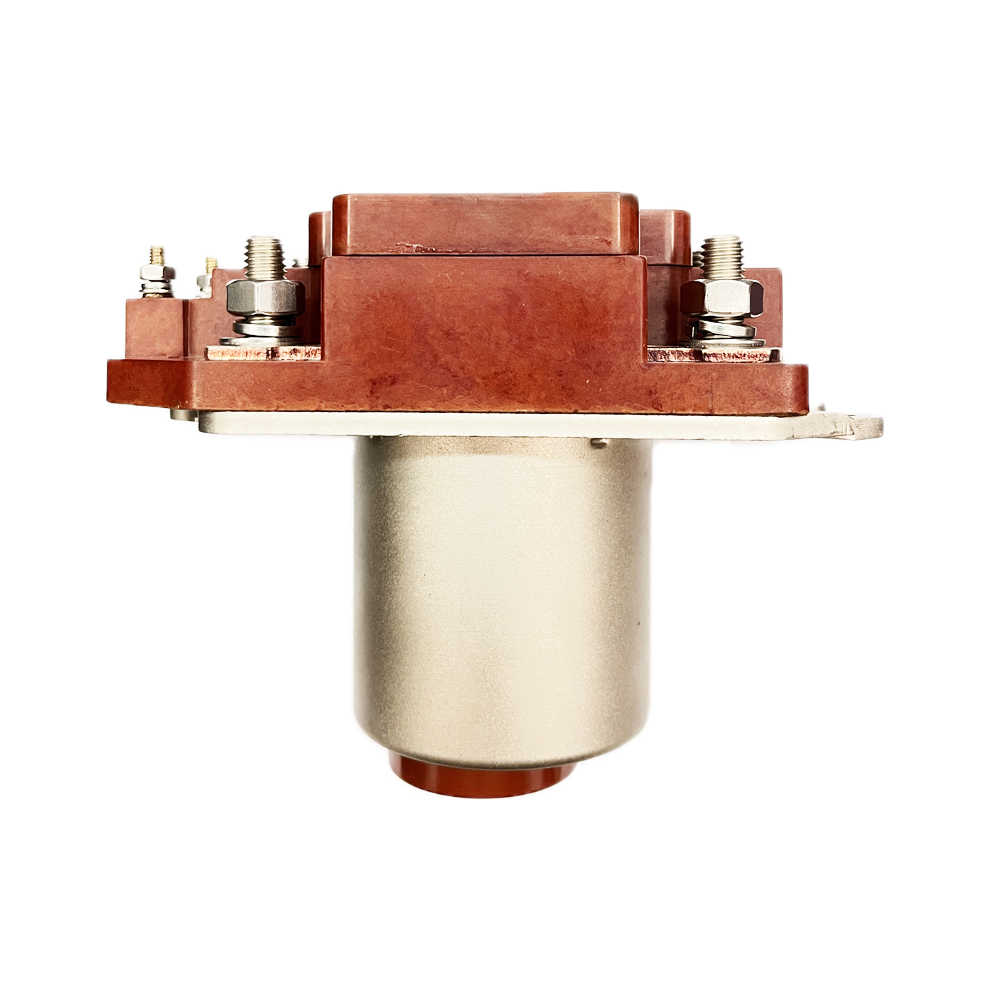
The Evolution of Three Phase Contactors in Modern Technology
The world of electrical engineering has witnessed significant advancements, particularly in the realm of control systems and automation. Among the most crucial components in these systems are **three phase contactors**. These devices, which facilitate the switching of electrical circuits, have evolved tremendously to meet the demands of modern technology. In this article, we explore the intricate evolution of three phase contactors, their applications, advancements in design, and their future in the digital age.
Table of Contents
- Introduction to Three Phase Contactors
- Historical Development of Contactors
- Innovations in Design and Technology
- Applications of Three Phase Contactors in Various Industries
- Advantages of Modern Three Phase Contactors
- Challenges in the Use of Three Phase Contactors
- Future Trends in Contactor Technology
- Conclusion
- Frequently Asked Questions
Introduction to Three Phase Contactors
Three phase contactors are essential components in electrical systems, primarily used to control high voltage and high current loads. These electromagnetic switches operate by opening and closing electrical circuits, allowing for the efficient distribution of power. With the rise of automation and smart technology, the design and functionality of three phase contactors have adapted to meet modern needs. Understanding their evolution, applications, and technological advancements is crucial for professionals in the electrical engineering field.
Historical Development of Contactors
The invention of the **contactor** dates back to the early 20th century when the need for reliable switching devices in industrial applications became apparent. Initially, these devices were simple electromechanical switches primarily used in motor control applications. As industries grew and the complexity of electrical systems increased, contactors evolved significantly.
- **Early Designs**: The earliest contactors were predominantly made from metal and used basic coils to create magnetic fields. These designs were mechanical, resulting in slower operation and limited lifespan.
- **Introduction of AC Contactors**: As alternating current (AC) became more popular in industrial applications, the design of contactors adapted to handle AC loads effectively. This transition marked a pivotal moment in the evolution of contactor technology.
- **Advancements in Materials**: The use of new materials, such as synthetic insulation and advanced metals, significantly improved the durability and efficiency of contactors. This helped reduce wear and tear, extending their operational life.
Innovations in Design and Technology
Modern three phase contactors have undergone remarkable innovations, enhancing both their performance and reliability. These advancements can be categorized into several key areas:
1. Enhanced Durability
Contemporary contactors are designed to withstand harsh environmental conditions. The use of robust materials and protective coatings ensures longevity, making them ideal for demanding industrial applications.
2. Increased Efficiency
Innovations in design have led to contactors that consume less energy and produce less heat during operation. This increased efficiency translates to lower operating costs and a smaller environmental footprint.
3. Compact Size
With the advancement of technology, modern contactors have become more compact, allowing for easier installation in confined spaces. This reduction in size does not compromise performance, making them suitable for various applications.
4. Smart Technology Integration
The rise of the Internet of Things (IoT) has ushered in a new era for three phase contactors. Smart contactors equipped with sensors and communication capabilities allow for remote monitoring and control, enhancing automation in industrial processes.
5. Safety Features
Modern contactors incorporate advanced safety features such as overload protection and short-circuit protection, ensuring reliable operation and reducing the risk of accidents.
Applications of Three Phase Contactors in Various Industries
Three phase contactors find applications across a wide range of industries. Their versatility allows them to handle various loads, making them indispensable in many sectors.
1. Industrial Automation
In manufacturing facilities, three phase contactors play a crucial role in automating machinery and processes. They control motors, conveyors, and other equipment, enhancing efficiency and productivity.
2. HVAC Systems
Heating, ventilation, and air conditioning (HVAC) systems rely on three phase contactors to manage compressors and fans. Their ability to handle high current loads is essential for the effective operation of HVAC equipment.
3. Renewable Energy
With the growing emphasis on renewable energy sources, three phase contactors are increasingly used in solar and wind energy systems. They help control the flow of electricity generated by these systems, ensuring smooth integration into the grid.
4. Transportation
In transportation systems, three phase contactors are used to control electric trains and trams. Their robust performance and reliability are vital for ensuring safety and efficiency in public transport.
5. Construction Machinery
Heavy machinery used in construction relies on three phase contactors for controlling motors and other electrical systems. Their durability and efficiency make them ideal for harsh working environments.
Advantages of Modern Three Phase Contactors
The evolution of three phase contactors has resulted in numerous advantages that benefit industries globally. These include:
- **Reliability**: Modern contactors are designed to perform consistently, reducing downtime and maintenance costs.
- **Flexibility**: Their ability to handle various loads makes them suitable for a wide range of applications.
- **Cost-Effectiveness**: Enhanced efficiency leads to lower energy consumption, ultimately reducing operational costs.
- **Safety**: Advanced safety features minimize risks associated with electrical faults and overloads.
Challenges in the Use of Three Phase Contactors
Despite their many advantages, three phase contactors also face certain challenges:
- **Complexity of Integration**: As systems become more sophisticated, integrating modern contactors with existing infrastructure can be challenging.
- **High Initial Costs**: While they offer long-term savings, the initial investment in advanced contactors can be substantial for some companies.
- **Technological Obsolescence**: Rapid advancements in technology may render existing models outdated, prompting the need for frequent upgrades.
Future Trends in Contactor Technology
The future of three phase contactors looks promising, with several trends shaping their evolution:
1. Increased Automation
As industries continue to embrace automation, the demand for intelligent contactors that can be integrated into smart systems will rise. These devices will play a critical role in optimizing operational efficiency.
2. Enhanced Communication Capabilities
Future contactors will likely feature advanced communication protocols, enabling seamless integration with IoT devices and cloud-based systems for real-time monitoring and control.
3. Focus on Sustainability
With growing environmental concerns, manufacturers will increasingly focus on producing eco-friendly contactors that minimize energy consumption and reduce waste.
4. Customization and Modular Designs
There will be a growing demand for customizable and modular contactors that can be tailored to meet specific application requirements, enhancing flexibility for end-users.
Conclusion
The evolution of three phase contactors reflects the remarkable progress in electrical engineering and automation. From their humble beginnings to their current role in modern technology, these devices have proven essential across various industries. As we look to the future, advancements in design, efficiency, and smart technology integration promise to further enhance the capabilities of three phase contactors. Understanding this evolution is not only critical for industry professionals but also for anyone interested in the future of electrical systems.
Frequently Asked Questions
1. What is the primary function of a three phase contactor?
The primary function of a three phase contactor is to control the switching of electrical circuits, allowing for efficient distribution of power in industrial and commercial applications.
2. How do three phase contactors differ from single phase contactors?
Three phase contactors are designed to handle three-phase electrical loads, making them suitable for high power applications, while single phase contactors are used for lower power single-phase circuits.
3. What industries commonly use three phase contactors?
Three phase contactors are widely used in industries such as manufacturing, HVAC, renewable energy, transportation, and construction.
4. What are the benefits of using modern three phase contactors?
Modern three phase contactors offer increased reliability, efficiency, safety, and flexibility, making them essential components in advanced electrical systems.
5. What are some challenges associated with three phase contactors?
Challenges include the complexity of integration with existing systems, high initial costs, and the risk of technological obsolescence due to rapid advancements in technology.
Xi'an Yuli Electronic Technology Co., Ltd.
Whats App:+8618122061211

Message consultation
Note: Please leave your contact information and our professionals will contact you as soon as possible!