Welcome to the official website of Xi'an Yuli Electronic Technology Co., Ltd.


Unlocking the Power of Electromagnetic Contactors: Essential Insights for Professionals
2025-12-08
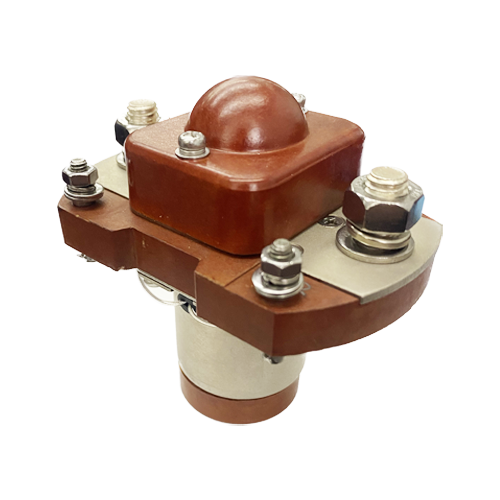
Electromagnetic contactors are vital components in the realm of electrical engineering, primarily utilized to control large electrical loads in industrial and commercial settings. Understanding how these devices function, as well as their specifications and types, can significantly enhance operational efficiency and safety within your projects.
At their core, electromagnetic contactors operate using an electromagnetic coil that, when energized, attracts a movable armature, thereby closing or opening a set of contacts. This action allows the contactor to establish or interrupt the flow of electrical current to connected devices, making it an essential tool for switching applications in motors, lighting, and heating systems.
There are several types of electromagnetic contactors, including standard contactors and motor contactors, each designed for specific applications. Standard contactors are typically used for general switching tasks, while motor contactors are optimized for controlling electric motors and are equipped with additional features such as overload protection. Understanding the distinctions between these types can guide professionals in selecting the right component for their needs.
When choosing an electromagnetic contactor, several key factors must be taken into account. The current and voltage ratings are critical; exceeding these ratings can lead to equipment failure or safety hazards. Additionally, consider the operating environment; contactors must be rated for conditions such as temperature, humidity, and exposure to dust or corrosive substances. This ensures reliable performance and longevity.
Furthermore, proper installation and maintenance are paramount to the effective operation of electromagnetic contactors. Regular inspections can help identify wear and tear, ensuring that the device operates efficiently. Professionals should also be aware of the importance of correct wiring and connection techniques to prevent issues such as arcing, which can damage contacts over time.
Incorporating electromagnetic contactors into your electrical systems not only enhances control but also improves safety. By understanding their functionality, types, and installation considerations, industry professionals can make informed decisions that contribute to the overall success of their projects.
In summary, electromagnetic contactors are indispensable in modern electrical control systems, and a thorough knowledge of their operation and specifications can significantly benefit those in the electronics and electrical engineering fields. As you navigate the complexities of your projects, let this understanding guide your selections and practices to ensure optimal performance and safety.
At their core, electromagnetic contactors operate using an electromagnetic coil that, when energized, attracts a movable armature, thereby closing or opening a set of contacts. This action allows the contactor to establish or interrupt the flow of electrical current to connected devices, making it an essential tool for switching applications in motors, lighting, and heating systems.
There are several types of electromagnetic contactors, including standard contactors and motor contactors, each designed for specific applications. Standard contactors are typically used for general switching tasks, while motor contactors are optimized for controlling electric motors and are equipped with additional features such as overload protection. Understanding the distinctions between these types can guide professionals in selecting the right component for their needs.
When choosing an electromagnetic contactor, several key factors must be taken into account. The current and voltage ratings are critical; exceeding these ratings can lead to equipment failure or safety hazards. Additionally, consider the operating environment; contactors must be rated for conditions such as temperature, humidity, and exposure to dust or corrosive substances. This ensures reliable performance and longevity.
Furthermore, proper installation and maintenance are paramount to the effective operation of electromagnetic contactors. Regular inspections can help identify wear and tear, ensuring that the device operates efficiently. Professionals should also be aware of the importance of correct wiring and connection techniques to prevent issues such as arcing, which can damage contacts over time.
Incorporating electromagnetic contactors into your electrical systems not only enhances control but also improves safety. By understanding their functionality, types, and installation considerations, industry professionals can make informed decisions that contribute to the overall success of their projects.
In summary, electromagnetic contactors are indispensable in modern electrical control systems, and a thorough knowledge of their operation and specifications can significantly benefit those in the electronics and electrical engineering fields. As you navigate the complexities of your projects, let this understanding guide your selections and practices to ensure optimal performance and safety.
Xi'an Yuli Electronic Technology Co., Ltd.
Whats App:+8618122061211

Message consultation
Note: Please leave your contact information and our professionals will contact you as soon as possible!