Welcome to the official website of Xi'an Yuli Electronic Technology Co., Ltd.


Understanding DC Contactors: Essential Components for Efficient Electrical Control
2025-12-10
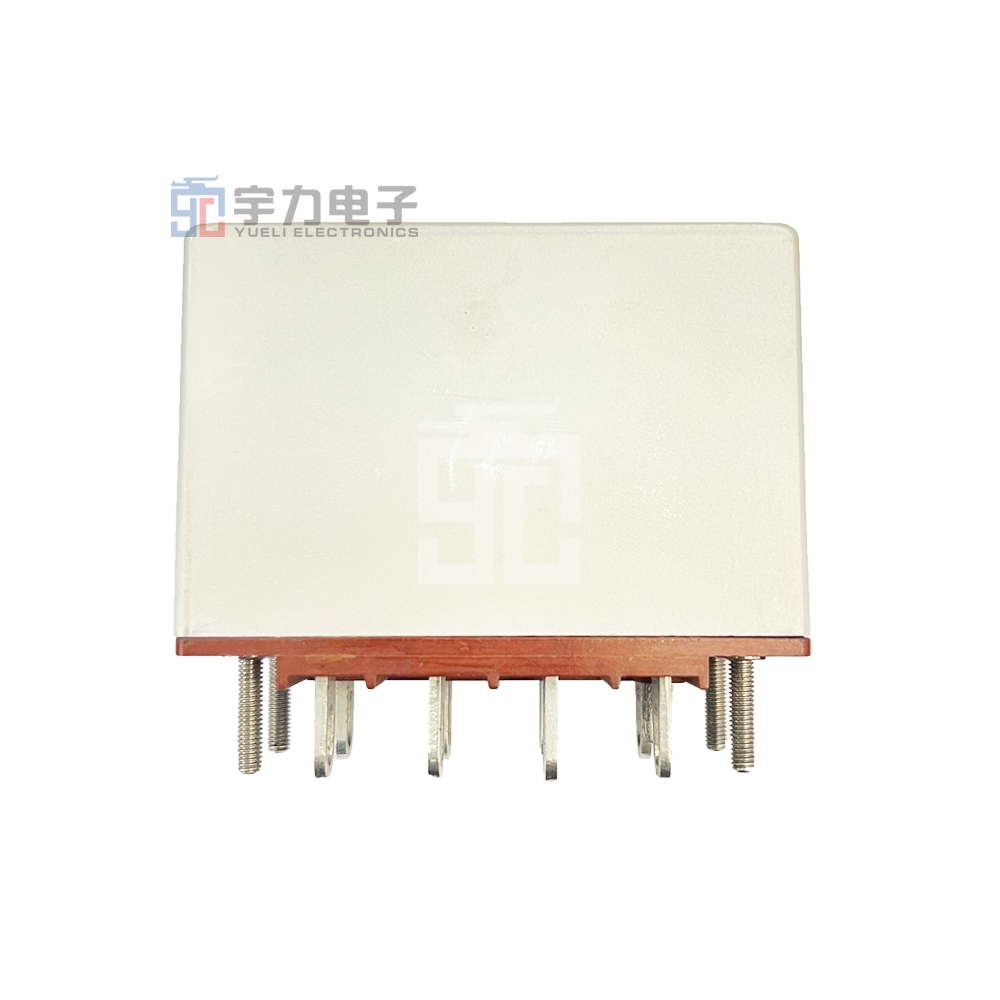
DC contactors are specialized electromechanical devices designed to switch DC loads on and off. They are particularly critical in applications where high voltage or current loads must be controlled, such as in electric vehicles, renewable energy systems, and industrial automation. Unlike traditional relays, DC contactors are built to handle the unique challenges presented by direct current, including arcing and contact wear.
One of the principal functions of a DC contactor is to provide a safe and efficient means to manage power in a circuit. When a DC contactor is energized, it creates a magnetic field that pulls the contacts together, closing the circuit and allowing current to flow. Upon deactivation, the magnetic field collapses, and the contacts open, interrupting the current. This on-and-off switching capability is crucial for protecting sensitive components and ensuring operational safety.
The design of DC contactors often includes features that enhance their durability and performance. For instance, they are equipped with arc suppression mechanisms to minimize damage during the opening and closing of contacts. This is particularly important in DC applications where arcing can lead to significant wear and tear, potentially shortening the lifespan of the contactor.
Moreover, selecting the right DC contactor involves considering various parameters such as coil voltage, current rating, and environmental conditions. Proper sizing is essential to ensure that the contactor can handle the electrical load without overheating or failing prematurely. Additionally, factors like ambient temperature and humidity can influence the operational efficiency of DC contactors, making it crucial to choose a model that is rated for specific environmental conditions.
In summary, DC contactors are indispensable components in the realm of electrical control, offering reliable switching capabilities for direct current applications. Their robust design, combined with strategic features aimed at extending operational life, makes them essential in various sectors, including automotive, renewable energy, and industrial automation. Understanding the functionality and characteristics of DC contactors enables professionals to make informed decisions when integrating these devices into their systems, ensuring efficiency and safety in electrical operations.
One of the principal functions of a DC contactor is to provide a safe and efficient means to manage power in a circuit. When a DC contactor is energized, it creates a magnetic field that pulls the contacts together, closing the circuit and allowing current to flow. Upon deactivation, the magnetic field collapses, and the contacts open, interrupting the current. This on-and-off switching capability is crucial for protecting sensitive components and ensuring operational safety.
The design of DC contactors often includes features that enhance their durability and performance. For instance, they are equipped with arc suppression mechanisms to minimize damage during the opening and closing of contacts. This is particularly important in DC applications where arcing can lead to significant wear and tear, potentially shortening the lifespan of the contactor.
Moreover, selecting the right DC contactor involves considering various parameters such as coil voltage, current rating, and environmental conditions. Proper sizing is essential to ensure that the contactor can handle the electrical load without overheating or failing prematurely. Additionally, factors like ambient temperature and humidity can influence the operational efficiency of DC contactors, making it crucial to choose a model that is rated for specific environmental conditions.
In summary, DC contactors are indispensable components in the realm of electrical control, offering reliable switching capabilities for direct current applications. Their robust design, combined with strategic features aimed at extending operational life, makes them essential in various sectors, including automotive, renewable energy, and industrial automation. Understanding the functionality and characteristics of DC contactors enables professionals to make informed decisions when integrating these devices into their systems, ensuring efficiency and safety in electrical operations.
Xi'an Yuli Electronic Technology Co., Ltd.
Whats App:+8618122061211

Message consultation
Note: Please leave your contact information and our professionals will contact you as soon as possible!