Welcome to the official website of Xi'an Yuli Electronic Technology Co., Ltd.


How Electromagnetic Relays Enhance Circuit Efficiency
2025-12-11
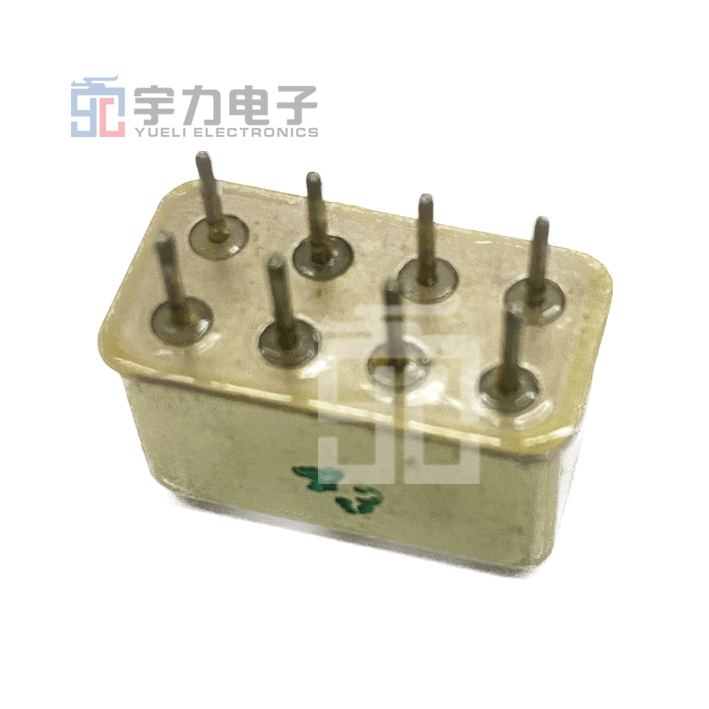
How Electromagnetic Relays Enhance Circuit Efficiency
Table of Contents
- 1. Introduction to Electromagnetic Relays
- 2. Understanding the Mechanism of Electromagnetic Relays
- 3. Benefits of Using Electromagnetic Relays in Circuits
- 3.1 Efficiency Improvements Offered by Electromagnetic Relays
- 3.2 Enhanced Reliability and Longevity
- 4. Applications of Electromagnetic Relays in Various Industries
- 5. The Future of Electromagnetic Relays in Circuit Design
- 6. Frequently Asked Questions (FAQs)
- 7. Conclusion
1. Introduction to Electromagnetic Relays
Electromagnetic relays are essential components in the realm of electronics, functioning as switch mechanisms that control the flow of electricity in circuits. Their ability to manage high voltage and current with low-power signals makes them invaluable in various applications. In this article, we will delve into how electromagnetic relays enhance circuit efficiency, examining their mechanics, benefits, and applications across different industries.
2. Understanding the Mechanism of Electromagnetic Relays
To appreciate how electromagnetic relays enhance circuit efficiency, we first need to understand their fundamental components and working principles.
2.1 Key Components of Electromagnetic Relays
An electromagnetic relay typically comprises the following key components:
- **Electromagnet**: This is the main driving force of the relay, responsible for actuating the switch.
- **Armature**: A movable part that physically opens or closes the circuit.
- **Spring**: This component returns the armature to its default position when no current is applied.
- **Contacts**: Metallic parts that either complete or break the circuit.
- **Enclosure**: Often made of durable materials to protect the internal components from environmental factors.
Understanding these components lays the foundation for grasping how relays operate.
2.2 Working Principle of Electromagnetic Relays
When an electrical current flows through the coil of an electromagnetic relay, it generates a magnetic field that attracts the armature towards it. This movement either closes (makes) or opens (breaks) the contacts, allowing or stopping current flow in the connected circuit. The **speed and reliability** of this process are vital for enhancing circuit efficiency, particularly in applications requiring rapid switching.
3. Benefits of Using Electromagnetic Relays in Circuits
Electromagnetic relays bring numerous advantages to circuit design and implementation, which can significantly enhance overall efficiency.
3.1 Efficiency Improvements Offered by Electromagnetic Relays
One of the most notable benefits of electromagnetic relays is their ability to improve circuit efficiency in the following ways:
- **Reduced Power Consumption**: By controlling high-power circuits with low-power signals, electromagnetic relays minimize the energy lost in the switching process.
- **Faster Response Times**: The swift actuation of the armature ensures that circuits can react quickly to changing conditions, essential in applications such as automation and control systems.
- **Enhanced Load Management**: Relays facilitate effective load distribution in circuits, preventing overloads that could lead to failures or inefficiencies.
These efficiency improvements contribute to more sustainable and effective electronic systems.
3.2 Enhanced Reliability and Longevity
In addition to efficiency, electromagnetic relays also provide enhanced reliability and longevity:
- **Durability**: Designed to withstand various environmental conditions, electromagnetic relays can operate effectively over long periods, reducing the need for frequent replacements.
- **Fail-Safe Operations**: Many relay designs include fail-safe features that ensure they revert to a safe state in case of system failures, enhancing overall system reliability.
The combination of efficiency and reliability makes electromagnetic relays a favored choice in demanding applications.
4. Applications of Electromagnetic Relays in Various Industries
Electromagnetic relays are utilized across multiple sectors, showcasing their versatility and effectiveness.
4.1 Automotive Applications
In the automotive industry, electromagnetic relays are crucial for:
- **Starting Systems**: They control the ignition and starting mechanisms in vehicles.
- **Power Distribution**: Relays manage electrical loads across various systems, such as headlights, wipers, and HVAC systems.
- **Safety Systems**: Employed in airbag deployments and anti-lock braking systems, relays ensure that critical functions operate reliably.
The integration of electromagnetic relays in automotive applications enhances both performance and safety.
4.2 Industrial Automation
In industrial settings, the applications of electromagnetic relays are extensive, including:
- **Motor Control**: Relays are employed in starting and stopping motors, protecting them from overload conditions.
- **Process Control**: In manufacturing, they are used to automate processes, ensuring efficient operation and reducing manual intervention.
- **Safety Interlocks**: Relays provide logical control functions that ensure machines operate safely, mitigating risks associated with machinery operation.
The role of electromagnetic relays in industrial automation significantly improves workflow efficiency and safety protocols.
5. The Future of Electromagnetic Relays in Circuit Design
As technology advances, the future of electromagnetic relays appears promising. Innovations in materials and design are enhancing their capabilities and applications:
- **Smart Relays**: Incorporating microcontrollers and IoT capabilities, smart relays allow for remote monitoring and control, further increasing efficiency and adaptability in modern circuits.
- **Miniaturization**: As electronic devices become smaller, the trend toward miniaturizing relays without compromising performance will continue, making them suitable for compact applications.
- **Sustainable Solutions**: With a focus on reducing energy consumption and enhancing environmental sustainability, future designs may incorporate eco-friendly materials and processes.
This evolution will ensure that electromagnetic relays remain integral to circuit design in the coming years.
6. Frequently Asked Questions (FAQs)
1. What are electromagnetic relays used for?
Electromagnetic relays are used for switching circuits on and off, controlling high-power devices with low voltage signals, and in applications such as automotive systems, industrial automation, and home appliances.
2. How do electromagnetic relays differ from solid-state relays?
Electromagnetic relays use mechanical components to operate, whereas solid-state relays use semiconductor devices. Solid-state relays typically offer faster switching times and longer lifespans but may not handle heavy loads as effectively as their electromagnetic counterparts.
3. What are the advantages of using relays in electronic circuits?
Relays improve circuit efficiency by reducing power consumption, providing faster response times, and ensuring reliable operation. They also enhance safety by offering fail-safe mechanisms.
4. Can electromagnetic relays handle high voltages?
Yes, electromagnetic relays are designed to handle high voltages and currents, making them suitable for various applications where high-power control is needed.
5. Are electromagnetic relays energy-efficient?
Electromagnetic relays improve energy efficiency by controlling high-power loads with low-power signals, thus minimizing energy losses during operation.
7. Conclusion
Electromagnetic relays play a pivotal role in enhancing circuit efficiency across various applications. Their ability to control high-power circuits with low-power signals, combined with their durability and reliability, make them indispensable in modern electronics. As technology continues to evolve, electromagnetic relays are set to become even more efficient and versatile, adapting to the growing demands of industries. By understanding and leveraging the benefits of these components, engineers and designers can optimize their circuits for superior performance and sustainability.
Xi'an Yuli Electronic Technology Co., Ltd.
Whats App:+8618122061211

Message consultation
Note: Please leave your contact information and our professionals will contact you as soon as possible!