Welcome to the official website of Xi'an Yuli Electronic Technology Co., Ltd.


Understanding High Power Relays: Essential Insights for Professionals
2025-12-12
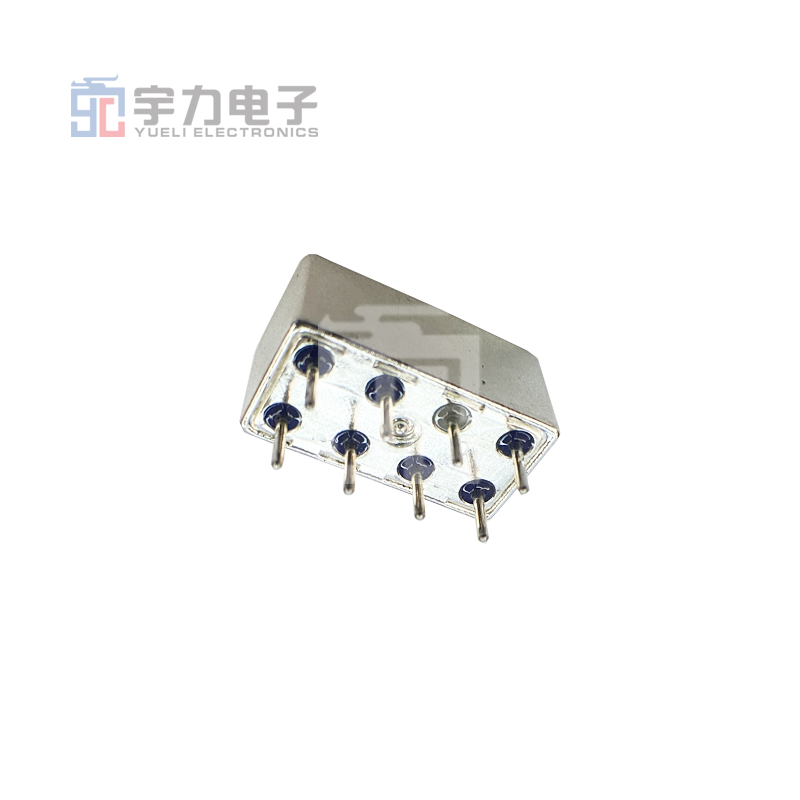
High power relays are essential devices used in various applications requiring the control of high current and voltage levels. As part of the relay family, they play a critical role in powering machinery, controlling lighting systems, and managing complex electronic circuits. Their ability to switch large loads safely and efficiently makes them indispensable in modern industrial applications.
One of the key features of high power relays is their robust construction, which allows them to handle high electrical loads. Typically designed with multiple contacts, these relays ensure reliable operation even under extreme conditions. The contact configuration, whether single-pole or multi-pole, plays a pivotal role in determining the relay's suitability for a specific application. The choice of materials used in contacts, such as silver alloys, can significantly affect performance and longevity, especially when dealing with high power demands.
Another important aspect to consider is the coil voltage rating. High power relays often come in various coil voltage options, allowing selection based on the control voltage available in the system. This feature is crucial for ensuring compatibility and optimal functionality. Understanding the relationship between coil voltage and contact ratings is vital for engineers when designing circuits that incorporate these relays.
High power relays are widely utilized in sectors such as automotive, telecommunications, and renewable energy systems. For instance, in electric vehicles, these relays manage battery connections, aiding in efficient power distribution and safeguarding against overcurrent situations. In renewable energy applications, such as solar inverters, high power relays facilitate the connection between solar panels and electrical grids, ensuring safety and operational efficiency.
When selecting a high power relay, professionals need to assess several factors, including load requirements, switching speed, and environmental conditions. Understanding the specific needs of your application will guide you in choosing the right relay, ensuring both safety and longevity. Additionally, it is essential to consider the relay's thermal management – proper heat dissipation mechanisms can prolong the lifespan and reliability of the device.
In conclusion, high power relays are vital components in the control and management of high voltage and current applications. Their robust design, adaptability to various environments, and ability to handle substantial loads make them a preferred choice among engineers and technicians. By understanding the technical specifications, operational features, and application scenarios of high power relays, professionals can make informed decisions that enhance system performance and reliability.
One of the key features of high power relays is their robust construction, which allows them to handle high electrical loads. Typically designed with multiple contacts, these relays ensure reliable operation even under extreme conditions. The contact configuration, whether single-pole or multi-pole, plays a pivotal role in determining the relay's suitability for a specific application. The choice of materials used in contacts, such as silver alloys, can significantly affect performance and longevity, especially when dealing with high power demands.
Another important aspect to consider is the coil voltage rating. High power relays often come in various coil voltage options, allowing selection based on the control voltage available in the system. This feature is crucial for ensuring compatibility and optimal functionality. Understanding the relationship between coil voltage and contact ratings is vital for engineers when designing circuits that incorporate these relays.
High power relays are widely utilized in sectors such as automotive, telecommunications, and renewable energy systems. For instance, in electric vehicles, these relays manage battery connections, aiding in efficient power distribution and safeguarding against overcurrent situations. In renewable energy applications, such as solar inverters, high power relays facilitate the connection between solar panels and electrical grids, ensuring safety and operational efficiency.
When selecting a high power relay, professionals need to assess several factors, including load requirements, switching speed, and environmental conditions. Understanding the specific needs of your application will guide you in choosing the right relay, ensuring both safety and longevity. Additionally, it is essential to consider the relay's thermal management – proper heat dissipation mechanisms can prolong the lifespan and reliability of the device.
In conclusion, high power relays are vital components in the control and management of high voltage and current applications. Their robust design, adaptability to various environments, and ability to handle substantial loads make them a preferred choice among engineers and technicians. By understanding the technical specifications, operational features, and application scenarios of high power relays, professionals can make informed decisions that enhance system performance and reliability.
Xi'an Yuli Electronic Technology Co., Ltd.
Whats App:+8618122061211

Message consultation
Note: Please leave your contact information and our professionals will contact you as soon as possible!