Welcome to the official website of Xi'an Yuli Electronic Technology Co., Ltd.


Designing Efficient Circuits with Miniature Relays: A Comprehensive Guide
2025-12-13
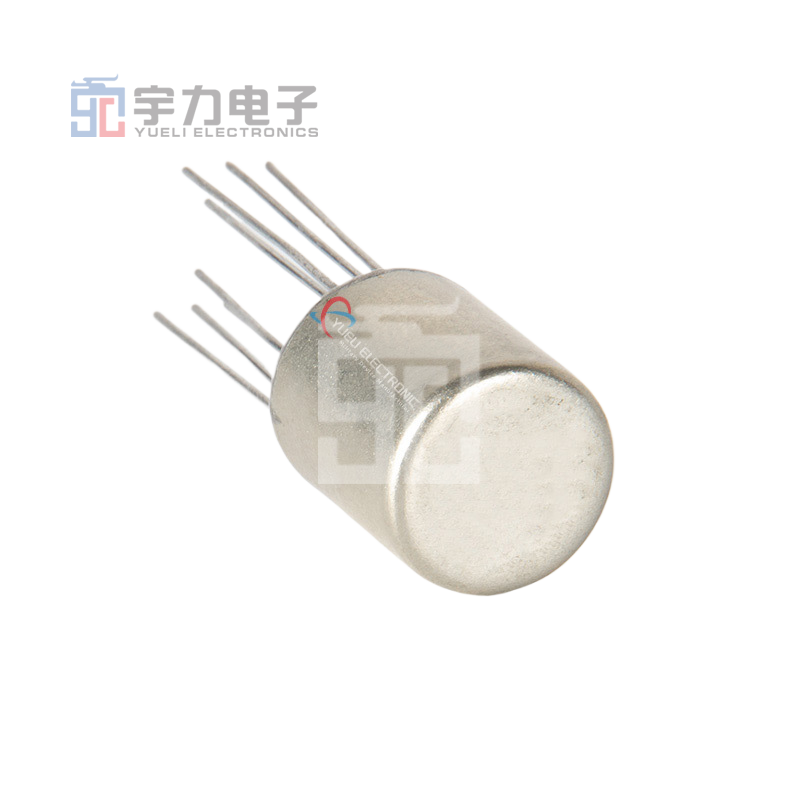
Designing Efficient Circuits with Miniature Relays
Table of Contents
- 1. Introduction to Miniature Relays
- 2. Understanding Relay Technology
- 3. Advantages of Miniature Relays in Circuit Design
- 4. Selecting the Right Miniature Relay
- 5. Designing Circuits with Miniature Relays
- 6. Common Applications of Miniature Relays
- 7. Troubleshooting Miniature Relay Circuits
- 8. The Future of Relay Technology
- 9. FAQs
- 10. Conclusion
1. Introduction to Miniature Relays
Miniature relays have revolutionized the world of circuit design by providing compact, reliable, and efficient solutions for a variety of applications. These tiny components act as electronic switches, enabling the control of high-power devices with low-power signals. In this guide, we will delve into the intricacies of designing circuits with miniature relays, exploring their advantages, applications, and how to troubleshoot common issues.
2. Understanding Relay Technology
A relay functions as an electromechanical switch, using an electromagnetic coil to open or close contacts in a circuit. This action allows for the control of larger electrical loads without the need for direct wiring, making relays essential in automation and control systems.
The Mechanism of Operation
When a voltage is applied to the coil of a relay, it generates a magnetic field that attracts a movable armature. This movement either connects or disconnects contacts, thus controlling the flow of electricity. Miniature relays typically operate on low voltages, making them ideal for circuit designs where space and power efficiency are critical.
Types of Miniature Relays
There are various types of miniature relays, including:
- **Electromechanical Relays (EMR)**: Traditional relays that use mechanical movement to operate.
- **Solid-State Relays (SSR)**: Relays that use semiconductor devices to switch on/off without moving parts, offering faster response times and longer lifespans.
- **Latching Relays**: Relays that maintain their state (open or closed) after being energized, reducing power consumption in certain applications.
3. Advantages of Miniature Relays in Circuit Design
Utilizing miniature relays in your circuits comes with a multitude of advantages:
Space Efficiency
Miniature relays occupy significantly less space compared to traditional relays, making them perfect for compact applications. Their small size allows for denser circuit layouts without compromising functionality.
Power Management
These relays can control high voltage and current loads while being triggered by low power signals. This capability makes them ideal for power management in various devices.
Reliability and Longevity
Miniature relays are designed for durability. With a high degree of reliability, they can withstand numerous cycles of operation, making them suitable for long-term applications.
Versatility
Miniature relays are adaptable to a wide range of applications, from automotive systems to home appliances, enabling engineers to implement them in diverse scenarios.
4. Selecting the Right Miniature Relay
Choosing the correct miniature relay for your circuit design is crucial for ensuring performance and reliability. Here are key factors to consider:
Operating Voltage and Current Ratings
Ensure that the relay's voltage and current ratings align with your circuit's specifications. Oversized relays may lead to unnecessary costs, while undersized ones can result in failures.
Coil Voltage
Select a relay with a coil voltage that matches your control circuit. Common voltages include 5V, 12V, and 24V, each suitable for different applications.
Contact Configuration
Miniature relays come in various contact configurations, such as SPST (Single Pole Single Throw) and DPDT (Double Pole Double Throw). Choose based on the specific needs of your circuit.
Size and Mounting Options
Consider the physical dimensions and mounting methods (through-hole or surface mount) based on your design layout.
5. Designing Circuits with Miniature Relays
Incorporating miniature relays into your circuit designs involves strategic planning and execution. Here are essential steps for effective design:
Circuit Layout Planning
Begin with a schematic diagram that outlines how the relay will integrate with other components in your circuit. Pay particular attention to the positioning of the relay to minimize noise and potential interference.
Power Supply Considerations
Ensure that your circuit includes a reliable power supply compatible with the relay's coil voltage. Additionally, incorporate protective components such as diodes to prevent back EMF that can damage other circuit parts.
Testing and Prototyping
Once the design is complete, create a prototype to evaluate the performance of your circuit. Use testing equipment to check for continuity, voltage levels, and response time. Make adjustments as necessary to optimize your design.
6. Common Applications of Miniature Relays
Miniature relays are versatile components found in numerous applications, including:
Automotive Systems
In automotive electronics, miniature relays control various functions such as lighting, fan motors, and power windows, contributing to efficient vehicle operation.
Home Appliances
Devices like washing machines and refrigerators utilize miniature relays to manage power distribution and operational sequences, enhancing energy efficiency.
Industrial Automation
In industrial settings, miniature relays are employed in control panels and machinery to automate processes, providing flexibility and reliability.
7. Troubleshooting Miniature Relay Circuits
While miniature relays are generally reliable, issues can arise. Here’s how to troubleshoot common problems:
Relay Not Activating
If the relay fails to activate, check the coil voltage and ensure it matches the specifications. Additionally, verify connections and the power supply.
Contact Welding
Welded contacts can occur due to excessive current. Implement protective components like fuses or circuit breakers to prevent damage.
Intermittent Operation
Intermittent operation may result from faulty solder joints or a defective relay. Inspect the circuit thoroughly and replace any faulty components.
8. The Future of Relay Technology
The evolution of relay technology is promising. With advancements in materials and manufacturing processes, miniature relays are becoming even more reliable and efficient. Innovations such as smart relays with integrated sensors and connectivity options are paving the way for enhanced automation in modern circuits.
9. FAQs
What is a miniature relay?
A miniature relay is a small electromechanical device that acts as a switch to control high-power devices with low-power signals.
How do I choose the right miniature relay for my project?
Consider factors such as operating voltage, current ratings, contact configuration, and size when selecting a miniature relay for your circuit.
Can miniature relays handle high current loads?
Yes, miniature relays are designed to manage high current loads while being triggered by low power signals, making them suitable for various applications.
What are some common problems with miniature relays?
Common issues include failure to activate, contact welding, and intermittent operation. Regular maintenance and careful design can mitigate these problems.
Are solid-state relays better than electromechanical relays?
Solid-state relays offer advantages such as faster switching times and longer lifespans, while electromechanical relays are typically lower in cost. The choice depends on the specific application requirements.
10. Conclusion
Designing efficient circuits with miniature relays is not only about understanding their function but also about leveraging their unique advantages to create innovative solutions. By carefully selecting the right relays, planning your circuit layout, and troubleshooting effectively, you can enhance the performance and reliability of your projects. As technology continues to advance, the future of miniature relays promises even greater capabilities, making them indispensable in modern circuit design.
Xi'an Yuli Electronic Technology Co., Ltd.
Whats App:+8618122061211

Message consultation
Note: Please leave your contact information and our professionals will contact you as soon as possible!