Welcome to the official website of Xi'an Yuli Electronic Technology Co., Ltd.


The Comprehensive Guide to Sealed Relays: Enhancing Reliability in Electronic Systems
2025-12-14
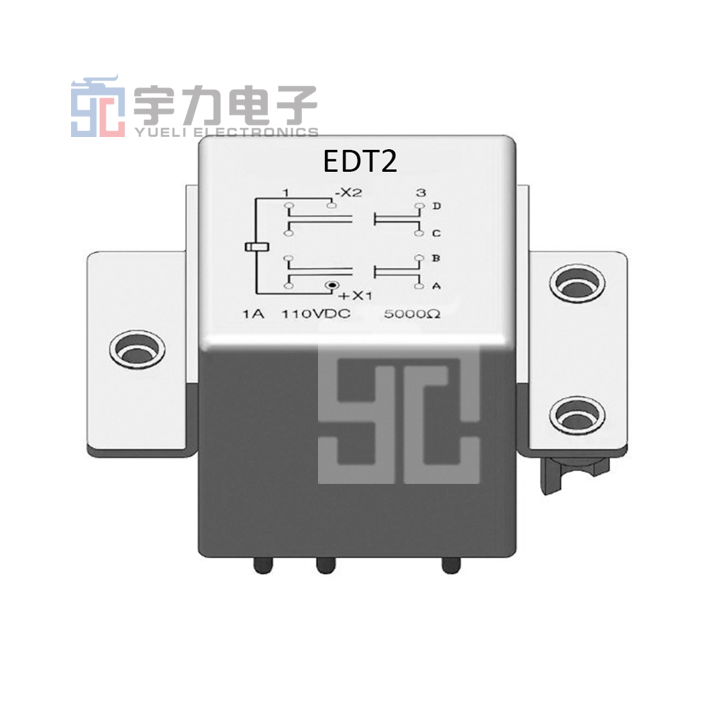
Sealed relays are integral components widely used in various electronic applications, designed to enhance the reliability and longevity of systems. These relays provide a unique feature: they are enclosed in a protective casing that prevents contamination from dust, moisture, and other environmental factors. This attribute is crucial for ensuring stable performance in demanding conditions where standard relays might fail.
One of the primary characteristics of sealed relays is their ability to maintain optimal operational integrity even in harsh environments. This makes them particularly suitable for industries such as automotive, industrial automation, and power management, where exposure to moisture and particulate matter is common. By utilizing a sealed relay, engineers can reduce maintenance costs and extend the lifecycle of their devices, ultimately improving overall system efficiency.
Sealed relays come in various designs, including electromagnetic and solid-state types. Electromagnetic sealed relays operate using an electromagnetic coil to open or close contacts, while solid-state versions rely on semiconductor technology for switching. Each type has its benefits; for example, solid-state sealed relays typically offer faster switching times and longer operational lifetimes, making them ideal for high-frequency applications.
When selecting a sealed relay for specific applications, several factors should be considered. The first is the relay’s rated load, which must align with the requirements of the circuit it will be integrated into. Additionally, it's essential to assess the relay's voltage and current specifications, as these will influence its performance and reliability. Environmental ratings, such as IP (Ingress Protection) ratings, are also vital, as they indicate the level of protection against dust and moisture.
Another critical aspect is the relay’s contact configuration. Sealed relays can feature normally open (NO), normally closed (NC), or double-pole configurations, allowing for versatile switching options based on the application's needs. Understanding the required configuration is crucial for ensuring that the relay operates correctly within the system.
In summary, sealed relays are indispensable in modern electronic designs, providing superior protection against environmental factors that can compromise performance and reliability. By selecting the right sealed relay for specific applications, professionals can enhance the durability and efficiency of their electronic systems. Whether for automotive applications, industrial machinery, or consumer electronics, integrating sealed relays can significantly improve system performance and reduce the need for frequent repairs or replacements.
One of the primary characteristics of sealed relays is their ability to maintain optimal operational integrity even in harsh environments. This makes them particularly suitable for industries such as automotive, industrial automation, and power management, where exposure to moisture and particulate matter is common. By utilizing a sealed relay, engineers can reduce maintenance costs and extend the lifecycle of their devices, ultimately improving overall system efficiency.
Sealed relays come in various designs, including electromagnetic and solid-state types. Electromagnetic sealed relays operate using an electromagnetic coil to open or close contacts, while solid-state versions rely on semiconductor technology for switching. Each type has its benefits; for example, solid-state sealed relays typically offer faster switching times and longer operational lifetimes, making them ideal for high-frequency applications.
When selecting a sealed relay for specific applications, several factors should be considered. The first is the relay’s rated load, which must align with the requirements of the circuit it will be integrated into. Additionally, it's essential to assess the relay's voltage and current specifications, as these will influence its performance and reliability. Environmental ratings, such as IP (Ingress Protection) ratings, are also vital, as they indicate the level of protection against dust and moisture.
Another critical aspect is the relay’s contact configuration. Sealed relays can feature normally open (NO), normally closed (NC), or double-pole configurations, allowing for versatile switching options based on the application's needs. Understanding the required configuration is crucial for ensuring that the relay operates correctly within the system.
In summary, sealed relays are indispensable in modern electronic designs, providing superior protection against environmental factors that can compromise performance and reliability. By selecting the right sealed relay for specific applications, professionals can enhance the durability and efficiency of their electronic systems. Whether for automotive applications, industrial machinery, or consumer electronics, integrating sealed relays can significantly improve system performance and reduce the need for frequent repairs or replacements.
Previous:
Xi'an Yuli Electronic Technology Co., Ltd.
Whats App:+8618122061211

Message consultation
Note: Please leave your contact information and our professionals will contact you as soon as possible!