Welcome to the official website of Xi'an Yuli Electronic Technology Co., Ltd.


Understanding DC Contactors: Key Components for Efficient Circuit Control
2026-01-05
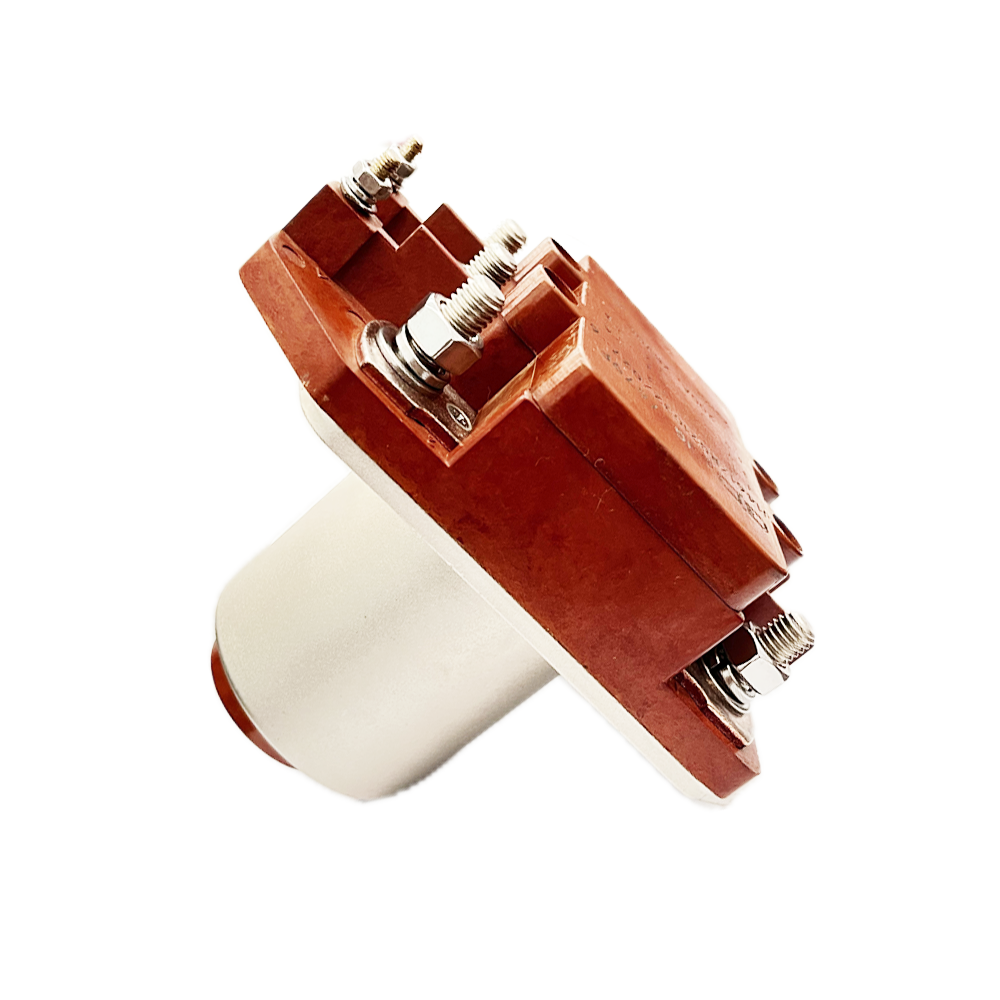
DC contactors are vital components used in electronic circuits to control the flow of direct current (DC). These devices function as electrically operated switches, allowing for the automation of electrical circuits. Understanding the workings and applications of DC contactors can significantly enhance the efficiency and reliability of various electronic systems.
At their core, DC contactors consist of an electromagnetic coil and one or more sets of contacts. When an electric current passes through the coil, it generates a magnetic field that attracts an armature, thereby closing the contacts and completing the circuit. This action allows for the control of larger electrical loads with a relatively smaller control signal, making them invaluable in applications where DC voltage regulation is necessary.
One of the primary benefits of using DC contactors is their ability to handle high current loads safely and efficiently. These devices are designed to minimize arcing and wear on the contacts, which is especially important in applications involving frequent cycling or switching. The longevity and reliability of DC contactors make them a preferred choice in industries such as automotive, renewable energy, and manufacturing.
When selecting a DC contactor for a specific application, professionals need to consider several factors. First, the voltage and current ratings must match the requirements of the circuit. Underestimating these ratings can lead to premature failure, whereas overrating can result in unnecessary costs. Additionally, the contactor’s duty cycle must be evaluated to ensure it can handle the operational demands of the application.
Another crucial consideration is the environment in which the DC contactor will operate. Factors such as temperature, humidity, and potential exposure to contaminants can impact performance. It’s important to choose a contactor that is rated for the specific environmental conditions to maintain optimal functionality.
Moreover, the installation and maintenance of DC contactors play a significant role in their performance. Proper wiring and regular inspections can help prevent malfunctions and extend the lifespan of the device. It's also essential to ensure that the contactors are appropriately rated for the specific loads they will control, which can prevent overheating and enhance safety.
In summary, DC contactors serve as essential components in the control of direct current circuits, offering numerous advantages in terms of efficiency and reliability. By understanding their operation, specifications, and best practices for selection and maintenance, professionals can make informed decisions that optimize their electrical systems and enhance overall performance. Whether used in industrial settings or commercial applications, DC contactors play a crucial role in modern electronic circuit management.
At their core, DC contactors consist of an electromagnetic coil and one or more sets of contacts. When an electric current passes through the coil, it generates a magnetic field that attracts an armature, thereby closing the contacts and completing the circuit. This action allows for the control of larger electrical loads with a relatively smaller control signal, making them invaluable in applications where DC voltage regulation is necessary.
One of the primary benefits of using DC contactors is their ability to handle high current loads safely and efficiently. These devices are designed to minimize arcing and wear on the contacts, which is especially important in applications involving frequent cycling or switching. The longevity and reliability of DC contactors make them a preferred choice in industries such as automotive, renewable energy, and manufacturing.
When selecting a DC contactor for a specific application, professionals need to consider several factors. First, the voltage and current ratings must match the requirements of the circuit. Underestimating these ratings can lead to premature failure, whereas overrating can result in unnecessary costs. Additionally, the contactor’s duty cycle must be evaluated to ensure it can handle the operational demands of the application.
Another crucial consideration is the environment in which the DC contactor will operate. Factors such as temperature, humidity, and potential exposure to contaminants can impact performance. It’s important to choose a contactor that is rated for the specific environmental conditions to maintain optimal functionality.
Moreover, the installation and maintenance of DC contactors play a significant role in their performance. Proper wiring and regular inspections can help prevent malfunctions and extend the lifespan of the device. It's also essential to ensure that the contactors are appropriately rated for the specific loads they will control, which can prevent overheating and enhance safety.
In summary, DC contactors serve as essential components in the control of direct current circuits, offering numerous advantages in terms of efficiency and reliability. By understanding their operation, specifications, and best practices for selection and maintenance, professionals can make informed decisions that optimize their electrical systems and enhance overall performance. Whether used in industrial settings or commercial applications, DC contactors play a crucial role in modern electronic circuit management.
Xi'an Yuli Electronic Technology Co., Ltd.
Whats App:+8618122061211

Message consultation
Note: Please leave your contact information and our professionals will contact you as soon as possible!