Welcome to the official website of Xi'an Yuli Electronic Technology Co., Ltd.


What to Consider When Upgrading Your Three Phase Contactor: A Comprehensive Guide
2026-01-06
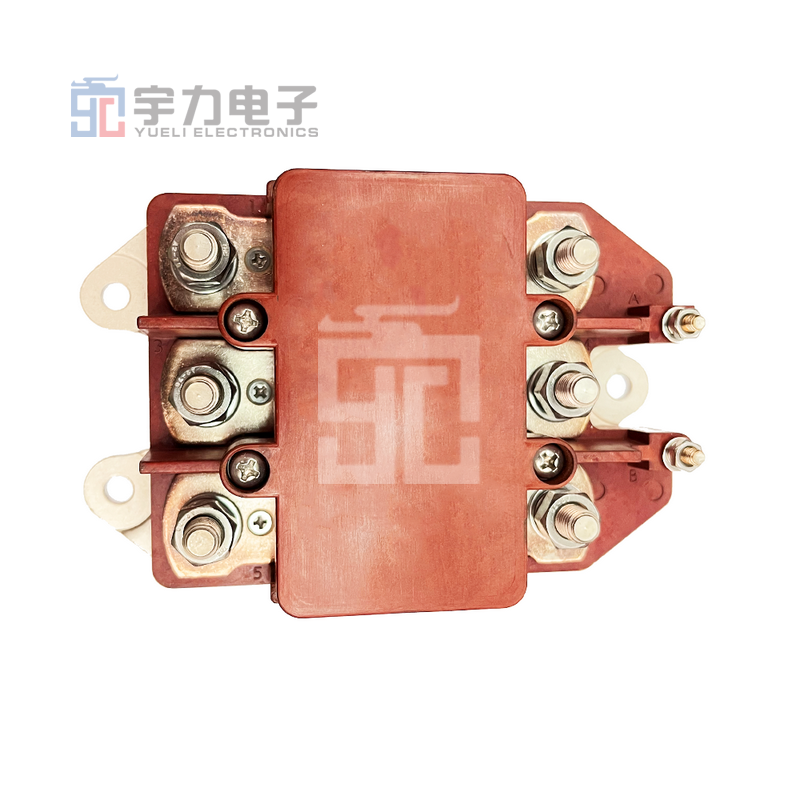
What to Consider When Upgrading Your Three Phase Contactor
Upgrading a three phase contactor is a critical decision that can greatly influence the efficiency and reliability of electrical systems. As we delve into the intricacies of this process, we will highlight essential factors that ensure your upgrade is successful.
1. Understanding the Purpose of a Three Phase Contactor
Before considering an upgrade, it's crucial to comprehend the role of a three phase contactor. A **three phase contactor** is an electrical switch that controls the flow of power to three-phase loads. These contactors are essential in industrial applications, where they manage motors, lighting systems, and other electrical equipment.
1.1 Key Functions of Three Phase Contactors
- **Switching Control**: They enable the on/off control of electrical circuits.
- **Protection**: Contactors protect electrical systems from overloads and short circuits.
- **Automation**: They facilitate automated operations in complex machinery.
2. Analyzing Your Current System
Assessing your existing three phase contactor is a fundamental step before upgrading. This evaluation helps identify improvements and compatibility issues with new models.
2.1 Load Requirements
Consider the load requirements of your system. Upgrading to a contactor with a higher current rating may be necessary if you plan to increase the load or if your current contactor is underperforming.
2.2 Compatibility with Existing Equipment
Ensure that the new contactor is compatible with existing electrical systems. Mismatched specifications can lead to operational failures and safety hazards.
3. Choosing the Right Specifications
When selecting a new three phase contactor, various specifications must be considered.
3.1 Current Rating
The current rating of the contactor must match or exceed the load requirements of your application. A contactor’s current rating is typically expressed in amperes (A).
3.2 Coil Voltage
Coil voltage is another critical specification. The contactor coil must match the voltage supplied by your control circuit. A mismatch can lead to operational failures or damage.
3.3 Number of Poles
The number of poles in a contactor corresponds to the number of phases in your system. A three phase system requires a contactor with at least three poles.
4. Efficiency and Energy Consumption
Upgrading to a more efficient contactor can lead to significant energy savings.
4.1 Energy-Efficient Models
Consider energy-efficient contactors that reduce power consumption and enhance operational efficiency. These models often feature advanced technology that minimizes losses during operation.
4.2 Impact on Overall System Efficiency
A high-quality contactor can improve the overall efficiency of your electrical system, leading to reduced energy costs and prolonged equipment lifespan.
5. Technological Advancements in Contactors
The evolution of technology has brought forth innovative solutions in the realm of three phase contactors.
5.1 Smart Contactors
Smart contactors integrate communication capabilities, enabling remote monitoring and control. They can provide real-time data, enhancing maintenance and operational efficiency.
5.2 Integration with Automation Systems
Modern contactors can seamlessly integrate with automation systems, allowing for improved control over industrial processes.
6. Safety Considerations
Safety is paramount when upgrading electrical components.
6.1 Overload Protection
Ensure that the new contactor includes effective overload protection mechanisms. This feature can prevent damage to equipment and reduce the risk of electrical fires.
6.2 Compliance with Industry Standards
Verify that the new contactor complies with relevant industry standards and regulations. Compliance ensures safety and reliability in operation.
7. Installation Considerations
Once you have selected the appropriate contactor, the installation process must be carefully managed.
7.1 Professional Installation vs. DIY
While some may consider DIY installation, it is advisable to engage a professional electrician. Incorrect installation can lead to inefficiencies, malfunctions, or hazardous situations.
7.2 Testing and Commissioning
After installation, thorough testing is essential. This step ensures that the contactor functions correctly within the electrical system and meets performance expectations.
8. Maintenance and Long-Term Care
Regular maintenance is vital for prolonging the lifespan of your three phase contactor.
8.1 Routine Checks
Implement routine checks to monitor the contactor's performance. This practice can help identify potential issues before they escalate.
8.2 Cleaning and Inspection
Keep the contactor clean and well-maintained. Dust and debris can hinder performance and lead to premature failure.
FAQs About Upgrading Your Three Phase Contactor
1. What is the lifespan of a three phase contactor?
The lifespan of a three phase contactor can vary based on usage and maintenance, but typically ranges from 10 to 15 years.
2. How do I know if my contactor needs an upgrade?
Signs of wear, frequent trips, or inability to handle the load can indicate that an upgrade is necessary.
3. Can I upgrade my contactor without changing the entire system?
Yes, upgrading your contactor can often be done independently, provided the new model is compatible with your existing system.
4. What are the costs associated with upgrading a three phase contactor?
Costs can vary based on the product selected, installation, and any additional components required, but budgeting for both the contactor and professional installation is advisable.
5. Are smart contactors worth the investment?
Smart contactors can provide significant benefits in terms of monitoring, control, and efficiency, making them a worthwhile investment for many applications.
Conclusion
Upgrading your three phase contactor can significantly impact the efficiency, safety, and reliability of your electrical systems. By understanding the key factors to consider, such as current ratings, compatibility, and safety features, you can make informed decisions that align with your operational needs. As technology continues to advance, embracing innovations like smart contactors can further enhance efficiency and operational control. Prioritize professional installation and regular maintenance to ensure optimal performance and longevity for your upgraded system.
Xi'an Yuli Electronic Technology Co., Ltd.
Whats App:+8618122061211

Message consultation
Note: Please leave your contact information and our professionals will contact you as soon as possible!