Welcome to the official website of Xi'an Yuli Electronic Technology Co., Ltd.


Understanding Electromagnetic Contactors: Essential Components in Electrical Systems
2026-01-07
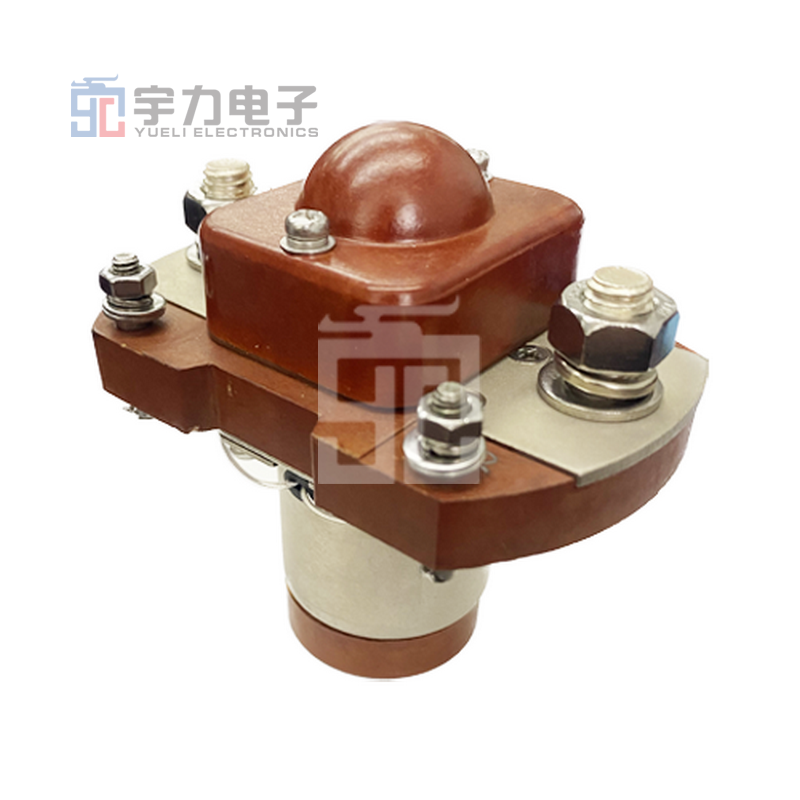
Electromagnetic contactors are essential devices used in various electrical systems to control high-power circuits with low-power signals. They act as switches that open and close circuits, facilitating the operation of electrical equipment such as motors, lighting systems, and heating devices. Understanding the workings and applications of electromagnetic contactors can significantly enhance efficiency and safety in electrical systems.
An electromagnetic contactor consists of several key components: the coil, armature, contact points, and enclosure. When an electrical current flows through the coil, it generates a magnetic field that pulls the armature towards it. This action either closes or opens the contact points, allowing or interrupting the flow of electricity in the circuit. The design of these contactors ensures that they can handle substantial current loads, making them suitable for industrial and commercial applications.
One of the primary applications of electromagnetic contactors is in motor control. They enable the safe and reliable operation of electric motors by controlling their start and stop functions. By using a low-voltage control circuit to energize the coil, operators can manage high-voltage motor circuits without direct exposure to high voltage, enhancing safety in workplaces.
Another important aspect of electromagnetic contactors is their functionality in overload protection. Many contactors are equipped with auxiliary devices that monitor the current flowing through the contactor. If the current exceeds a predetermined threshold, these devices can automatically disconnect power to prevent equipment damage and electrical hazards.
In addition to their operational advantages, electromagnetic contactors are designed for durability and longevity. They can withstand harsh environmental conditions, making them suitable for outdoor applications and challenging industrial settings. Regular maintenance and testing are recommended to ensure their optimal performance and to extend their lifespan.
When selecting an electromagnetic contactor, it is essential to consider factors such as the voltage and current ratings, the type of load, and the operational environment. Matching the contactor specifications to the application requirements is crucial for seamless integration into your electrical system.
In summary, electromagnetic contactors are a vital component in modern electrical systems, offering control, protection, and efficiency. By understanding their functionality and applications, professionals in the electronic components industry can make informed decisions that enhance the performance and safety of their electrical systems.
An electromagnetic contactor consists of several key components: the coil, armature, contact points, and enclosure. When an electrical current flows through the coil, it generates a magnetic field that pulls the armature towards it. This action either closes or opens the contact points, allowing or interrupting the flow of electricity in the circuit. The design of these contactors ensures that they can handle substantial current loads, making them suitable for industrial and commercial applications.
One of the primary applications of electromagnetic contactors is in motor control. They enable the safe and reliable operation of electric motors by controlling their start and stop functions. By using a low-voltage control circuit to energize the coil, operators can manage high-voltage motor circuits without direct exposure to high voltage, enhancing safety in workplaces.
Another important aspect of electromagnetic contactors is their functionality in overload protection. Many contactors are equipped with auxiliary devices that monitor the current flowing through the contactor. If the current exceeds a predetermined threshold, these devices can automatically disconnect power to prevent equipment damage and electrical hazards.
In addition to their operational advantages, electromagnetic contactors are designed for durability and longevity. They can withstand harsh environmental conditions, making them suitable for outdoor applications and challenging industrial settings. Regular maintenance and testing are recommended to ensure their optimal performance and to extend their lifespan.
When selecting an electromagnetic contactor, it is essential to consider factors such as the voltage and current ratings, the type of load, and the operational environment. Matching the contactor specifications to the application requirements is crucial for seamless integration into your electrical system.
In summary, electromagnetic contactors are a vital component in modern electrical systems, offering control, protection, and efficiency. By understanding their functionality and applications, professionals in the electronic components industry can make informed decisions that enhance the performance and safety of their electrical systems.
Previous:
Xi'an Yuli Electronic Technology Co., Ltd.
Whats App:+8618122061211

Message consultation
Note: Please leave your contact information and our professionals will contact you as soon as possible!