Welcome to the official website of Xi'an Yuli Electronic Technology Co., Ltd.


The Science Behind Electromagnetic Relay Functionality Explained
2026-01-10
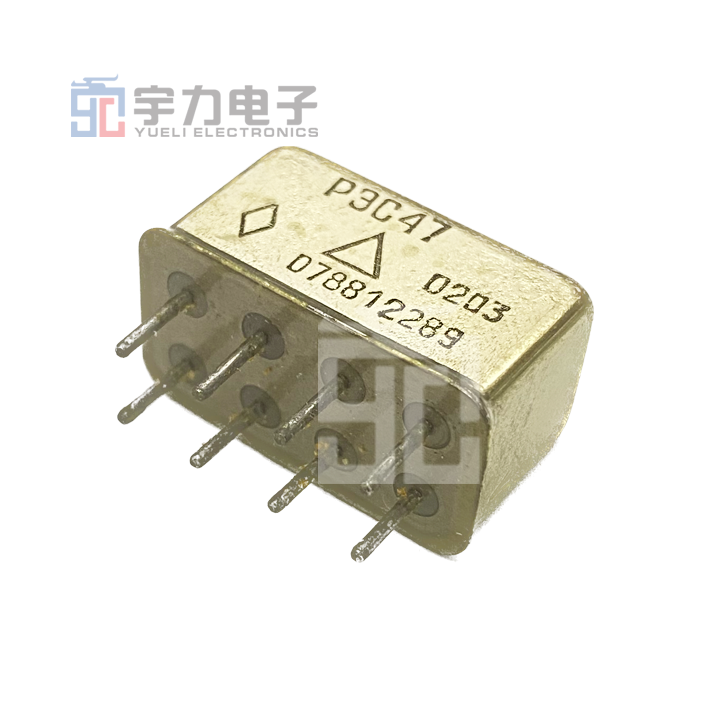
The Science Behind Electromagnetic Relay Functionality Explained
Table of Contents
- 1. Introduction to Electromagnetic Relays
- 2. What is an Electromagnetic Relay?
- 3. Working Principle of Electromagnetic Relays
- 4. Components of an Electromagnetic Relay
- 5. Types of Electromagnetic Relays
- 6. Applications of Electromagnetic Relays
- 7. Advantages and Disadvantages of Electromagnetic Relays
- 8. Troubleshooting Electromagnetic Relays
- 9. Conclusion
- 10. FAQs
1. Introduction to Electromagnetic Relays
Electromagnetic relays are crucial components in the field of electronics, providing essential control functions in a myriad of devices. They serve as electrically operated switches that use electromagnetic coils to open or close circuits. Understanding the functionality of these devices is vital for engineers, technicians, and hobbyists alike.
In this article, we will delve into the science behind electromagnetic relays, exploring how they operate, their various types, and their applications across different industries. By the end of this guide, you will have a comprehensive understanding of electromagnetic relays and their significance in modern technology.
2. What is an Electromagnetic Relay?
An electromagnetic relay is an electrical switch that utilizes an electromagnet to mechanically operate a switching mechanism. This allows for the control of a high-power circuit with a low-power signal. Typically housed in a protective enclosure, electromagnetic relays can vary in size and complexity, tailored to meet specific functional requirements.
The primary function of an electromagnetic relay is to switch the state of an electrical circuit from open to closed (or vice versa) through the application of voltage to its coil. This makes them indispensable in control systems where isolation between the controlling and controlled circuits is required.
3. Working Principle of Electromagnetic Relays
The working principle of an electromagnetic relay revolves around the relationship between electricity and magnetism. When electrical current flows through the coil of the relay, it generates a magnetic field that attracts a movable armature. This armature, when pulled toward the coil, either connects or disconnects the circuit's contacts, thereby controlling the flow of electricity.
The process can be summarized as follows:
- **Current Activation**: When a low-voltage signal is applied to the coil, it activates the electromagnet.
- **Magnetic Attraction**: The generated magnetic field attracts the armature, which is mechanically linked to the contacts of the relay.
- **Circuit Switching**: The movement of the armature either closes or opens the circuit, depending on the relay's design (normally open or normally closed).
This process allows electromagnetic relays to effectively control high-power circuits using minimal energy, making them highly efficient and reliable.
4. Components of an Electromagnetic Relay
Understanding the individual components of an electromagnetic relay is critical to grasping how they function. The primary components include:
4.1 Electromagnetic Coil
The coil is a winding of insulated wire that generates a magnetic field when current flows through it. The number of turns in the coil affects the strength of the magnetic field.
4.2 Armature
This is the movable part of the relay that responds to the magnetic field created by the coil. When energized, the armature moves to open or close the contacts.
4.3 Contacts
Contacts are conductive elements that make or break the electrical circuit. They come in two types:
- **Normally Open (NO)**: Contacts that remain open when the relay is de-energized and close when energized.
- **Normally Closed (NC)**: Contacts that remain closed when the relay is de-energized and open when energized.
4.4 Spring
The spring mechanism returns the armature to its original position when the coil is de-energized, resetting the relay.
4.5 Frame
The frame supports the components and protects them from external damage, ensuring durability and longevity.
5. Types of Electromagnetic Relays
Electromagnetic relays are classified based on their construction, function, and operating characteristics. Here are some of the most common types:
5.1 General-Purpose Relays
These are versatile relays used in a wide range of applications for switching low and medium power circuits. They are commonly found in automation and control systems.
5.2 Time Delay Relays
Time delay relays introduce a delay before switching the circuit on or off, enabling applications such as sequential operation in machinery.
5.3 Latching Relays
Latching relays maintain their contact position even after the coil is de-energized. This feature is beneficial for applications that require memory functionality.
5.4 Solid-State Relays
While not purely electromagnetic, solid-state relays utilize semiconductor devices to perform switching. They offer faster response times and higher durability.
5.5 Reed Relays
Reed relays contain two ferromagnetic reeds sealed in a glass tube. They are compact and efficient, often used in telecommunications and sensors.
6. Applications of Electromagnetic Relays
Electromagnetic relays are found in a diverse range of applications due to their versatility and reliability. Some key applications include:
6.1 Automation Systems
In industrial automation, electromagnetic relays are used to control machinery and processes, enabling precise operations in manufacturing environments.
6.2 Automotive Applications
Relays play a critical role in automotive systems, controlling lights, motors, and various electronic devices, ensuring safe and efficient vehicle operation.
6.3 Home Appliances
Many household appliances, such as washing machines and refrigerators, utilize electromagnetic relays to manage their electrical systems, enhancing safety and functionality.
6.4 Telecommunications
In telecom systems, relays are employed to manage signaling and routing, ensuring reliable communication between devices.
6.5 Power Systems
Electromagnetic relays are essential in power distribution systems, providing overcurrent protection, voltage regulation, and circuit isolation.
7. Advantages and Disadvantages of Electromagnetic Relays
Understanding the pros and cons of electromagnetic relays is crucial for their effective application.
7.1 Advantages
- **High Reliability**: Electromagnetic relays are known for their reliability in various applications, providing consistent performance.
- **Electrical Isolation**: They offer electrical isolation between control and load circuits, ensuring safety.
- **Versatility**: With various types available, they can cater to a multitude of applications and requirements.
- **Cost-Efficiency**: Generally, electromagnetic relays are cost-effective solutions for switching applications.
7.2 Disadvantages
- **Mechanical Wear**: The mechanical components may wear out over time, leading to failures.
- **Response Time**: Compared to solid-state relays, electromagnetic relays may have slower response times.
- **Size**: Some applications may require more compact solutions, which electromagnetic relays may not provide.
8. Troubleshooting Electromagnetic Relays
Proper troubleshooting techniques can enhance the longevity and reliability of electromagnetic relays. Here are some common issues and solutions:
8.1 Relay Not Energizing
- **Check Power Supply**: Ensure that the correct voltage is reaching the relay coil.
- **Inspect Coil Windings**: Look for broken or damaged windings that could prevent current flow.
8.2 Contacts Not Closing
- **Examine Armature Movement**: Ensure that the armature can move freely without obstruction.
- **Verify Coil Operation**: Test the coil to ensure it is working correctly and generating a magnetic field.
8.3 Overheating
- **Monitor Load Current**: Ensure that the relay is not overloaded, causing excessive heat.
- **Check for Short Circuits**: Inspect for any short circuits that may be contributing to overheating.
9. Conclusion
Electromagnetic relays are fundamental components in the electronics industry, offering reliable control and switching capabilities across various applications. Their unique ability to operate high-power circuits with low-power signals makes them invaluable in automation, automotive, telecommunications, and more.
Understanding the science behind electromagnetic relay functionality empowers engineers and enthusiasts to optimize their use and troubleshoot effectively. By leveraging their advantages while being mindful of their limitations, we can continue to harness the power of electromagnetic relays to innovate and enhance technology.
10. FAQs
10.1 What is the primary function of an electromagnetic relay?
The primary function of an electromagnetic relay is to control a high-power electrical circuit using a low-power signal, thereby providing electrical isolation between the two circuits.
10.2 How does an electromagnetic relay work?
An electromagnetic relay works by creating a magnetic field when current flows through its coil, which attracts a movable armature to open or close the circuit's contacts.
10.3 What are the different types of electromagnetic relays?
The main types include general-purpose relays, time delay relays, latching relays, solid-state relays, and reed relays, each serving specific applications.
10.4 Where are electromagnetic relays commonly used?
Electromagnetic relays are commonly used in automation systems, automotive applications, home appliances, telecommunications, and power distribution systems.
10.5 What are the advantages of using electromagnetic relays?
Advantages include high reliability, electrical isolation, versatility, and cost-effectiveness, making them suitable for various applications.
Xi'an Yuli Electronic Technology Co., Ltd.
Whats App:+8618122061211

Message consultation
Note: Please leave your contact information and our professionals will contact you as soon as possible!