Welcome to the official website of Xi'an Yuli Electronic Technology Co., Ltd.


Three Phase Relay: A Crucial Element in Power Distribution
2026-01-14
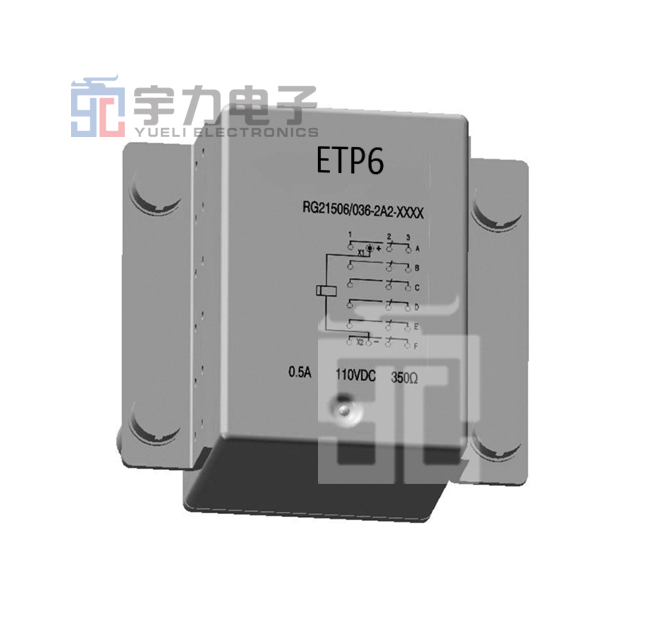
Three Phase Relay: A Crucial Element in Power Distribution
Table of Contents
- 1. Introduction to Three Phase Relays
- 2. Understanding Three Phase Power Systems
- 3. The Role of Relays in Power Distribution
- 4. Types of Three Phase Relays
- 5. Applications of Three Phase Relays
- 6. Advantages of Implementing Three Phase Relays
- 7. Choosing the Right Three Phase Relay for Your Needs
- 8. Maintenance and Testing of Three Phase Relays
- 9. Frequently Asked Questions
- 10. Conclusion
1. Introduction to Three Phase Relays
Three-phase relays play a vital role in managing electrical systems efficiently. They serve as protective devices that monitor electrical currents and ensure safety in power distribution networks. By responding to abnormal conditions, three-phase relays help prevent equipment damage, improve system reliability, and enhance overall operational efficiency. Understanding their intricate workings is essential for anyone involved in electrical engineering or power management.
2. Understanding Three Phase Power Systems
Three-phase power systems comprise three alternating currents that are offset in time by one-third of a cycle. This configuration is ideal for delivering and distributing electrical energy, providing a steady and efficient power supply. The symmetric nature of three-phase systems results in less fluctuation and more consistent performance, making them widely favored in industrial applications.
The Benefits of Three Phase Power Systems
- **Higher Efficiency:** Three-phase systems offer higher power transfer efficiency compared to single-phase systems.
- **Reduced Conductor Material:** The design allows the use of smaller conductors, which reduces material costs.
- **Smooth Operation of Motors:** Three-phase motors operate more smoothly, producing continuous torque with minimal vibration.
3. The Role of Relays in Power Distribution
Relays are electromechanical switches that open or close circuits when certain conditions are met. In power distribution, they monitor various electrical parameters such as current, voltage, and frequency. When a fault or abnormal condition is detected, relays respond by disconnecting affected circuits and signaling alarms or notifications.
Key Functions of Relays in Power Systems
- **Protection:** Prevents damage to equipment by disconnecting faulty circuits.
- **Control:** Automates the operation of switches and circuit breakers based on real-time data.
- **Monitoring:** Tracks system performance and alerts operators to potential issues.
4. Types of Three Phase Relays
There are several types of three-phase relays, each designed to handle specific conditions and provide targeted protection. Understanding these types can aid in selecting the appropriate relay for a given application.
4.1 Overload Relays
Overload relays protect motors from drawing excessive current, which can lead to overheating and damage. These relays operate by measuring the current flowing to the motor and tripping when it exceeds set limits.
4.2 Under-voltage Relays
Under-voltage relays monitor voltage levels and provide essential protection against voltage drops. If the voltage falls below a predetermined threshold, the relay trips and disconnects the circuit, preventing potential damage to sensitive equipment.
4.3 Phase Failure Relays
Phase failure relays are crucial in three-phase systems, as they protect against the loss of one or more phases. They monitor the balance of the three phases and will trip if a phase is lost, ensuring the continuity and stability of power supply.
5. Applications of Three Phase Relays
Three-phase relays find applications across various industries, including manufacturing, utilities, and commercial sectors. Their versatility makes them indispensable in maintaining safe and efficient power distribution.
Common Applications
- **Industrial Automation:** Used to control motors and machinery, ensuring safe operation.
- **Power Generation:** Protects generators from overload and under-voltage conditions.
- **HVAC Systems:** Ensures that air conditioning and heating systems operate smoothly.
6. Advantages of Implementing Three Phase Relays
The integration of three-phase relays into electrical systems offers numerous advantages. These benefits not only enhance the safety and reliability of power distribution but also contribute to operational efficiency.
Enhanced Safety and Reliability
Three-phase relays increase system safety by rapidly detecting faults and minimizing downtime. Regular monitoring and immediate response help prevent extensive damage to equipment and ensure continued operation.
Cost-Effectiveness
Investing in three-phase relays can lead to long-term savings by reducing maintenance costs and improving system longevity. Efficient power management translates into lower energy expenses and optimized resource utilization.
7. Choosing the Right Three Phase Relay for Your Needs
Selecting the appropriate relay for your specific application requires careful consideration of various factors, including the nature of the load, environmental conditions, and operational requirements.
Factors to Consider
- **Current Rating:** Ensure the relay can handle the maximum current expected in your application.
- **Voltage Rating:** Choose a relay that matches or exceeds the voltage levels in your system.
- **Protection Features:** Determine which protective functions are necessary, such as overload, under-voltage, or phase failure.
8. Maintenance and Testing of Three Phase Relays
Regular maintenance and testing of three-phase relays are essential to ensure reliable operation. Adhering to a structured maintenance program can prevent unexpected failures and prolong the life of your relays.
Best Practices for Maintaining Three Phase Relays
- **Routine Inspections:** Conduct periodic visual and functional inspections to identify potential issues.
- **Calibration:** Regularly calibrate the relays to ensure accurate performance and eliminate false tripping.
- **Testing:** Implement testing protocols to verify that relays function correctly under various conditions.
9. Frequently Asked Questions
What is a three-phase relay?
A three-phase relay is a protective device that monitors electrical systems for abnormalities such as overloads or voltage drops and disconnects circuits to prevent damage.
How does an overload relay work?
An overload relay measures the current flowing through a motor and trips when it exceeds a predetermined threshold, preventing the motor from overheating.
What are the advantages of using three-phase systems?
Three-phase systems provide higher efficiency, require less conductor material, and enable smoother operation of motors compared to single-phase systems.
Can three-phase relays be used in residential applications?
Yes, while three-phase relays are predominantly used in industrial settings, they can also be beneficial in residential applications that require advanced power management.
What should I consider when selecting a three-phase relay?
Consider factors such as current and voltage ratings, required protection features, and the specific application or environment to ensure optimal performance.
10. Conclusion
In conclusion, three-phase relays are a crucial element in power distribution, providing essential protection and control for electrical systems. Their ability to monitor, detect, and respond to abnormal conditions ensures the safety and reliability of power delivery. By understanding their types, applications, and maintenance requirements, industry professionals can harness the full potential of three-phase relays, leading to more efficient and secure power management. As technology continues to evolve, the importance of these devices in modern electrical networks will only grow, underscoring the need for ongoing education and investment in best practices.
Xi'an Yuli Electronic Technology Co., Ltd.
Whats App:+8618122061211

Message consultation
Note: Please leave your contact information and our professionals will contact you as soon as possible!