Welcome to the official website of Xi'an Yuli Electronic Technology Co., Ltd.


Understanding Signal Relays: A Comprehensive Guide for Electronics Enthusiasts
2026-01-15
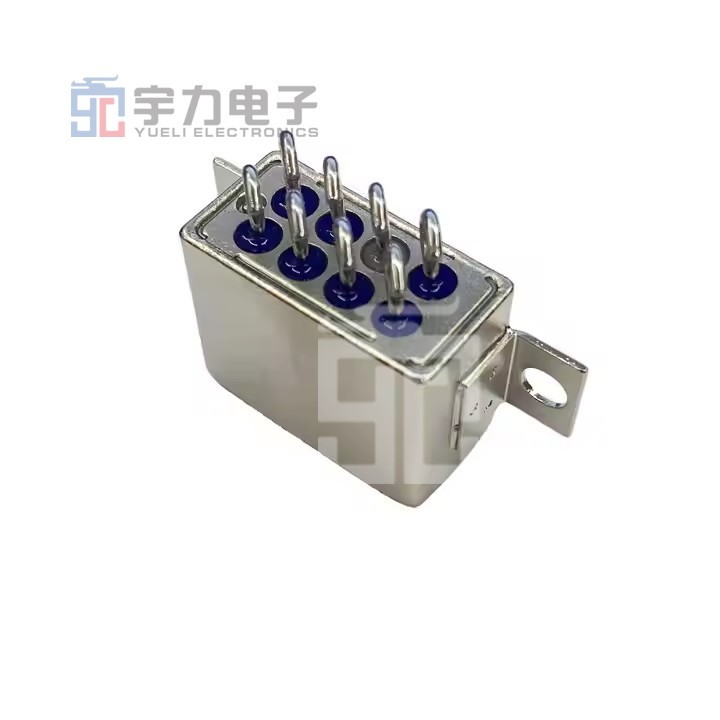
Signal relays are critical components in the realm of electronics, providing a means to control and switch electrical circuits with precision and reliability. These electromechanical devices utilize a small current to control a larger current, making them essential in various applications, from automotive systems to industrial automation.
**What are Signal Relays?**
At their core, signal relays consist of an electromagnetic coil and a set of contacts. When an electric current flows through the coil, it generates a magnetic field that moves the armature, opening or closing the contacts. This simple yet effective mechanism allows for the control of higher voltage or current circuits using a lower power signal, making signal relays particularly useful in situations where isolation between control and power circuits is necessary.
**Applications of Signal Relays**
Signal relays find extensive applications across diverse sectors. In automotive electronics, they enable functions like headlight control and power window operation. In industrial settings, signal relays are used for machine automation, safety interlocks, and remote control systems. They are also prevalent in telecommunications, where they manage data signal routing and switching.
**Advantages of Using Signal Relays**
One of the primary advantages of employing signal relays is their ability to provide electrical isolation between input and output circuits. This isolation is crucial for protecting sensitive components from voltage spikes and noise that can occur in high-power environments. Additionally, signal relays are known for their reliability, longevity, and ability to handle high loads, making them suitable for demanding applications.
Furthermore, signal relays can be designed to operate in various conditions, including extreme temperatures and harsh environments, which is vital for outdoor installations or industrial applications. Their versatile nature allows for easy integration into a broad range of electronic designs.
**Considerations When Selecting Signal Relays**
When choosing a signal relay, several factors must be considered. First, it is essential to ensure that the relay's voltage and current ratings meet the requirements of the application. The operating environment also plays a significant role; relays must be suitable for conditions such as humidity, temperature fluctuations, and potential exposure to contaminants.
Additionally, the relay's switching speed and lifespan are critical for applications requiring rapid cycling. Choosing the right type of signal relay, whether it be electromechanical or solid-state, will depend on the specific needs of the project.
In conclusion, signal relays are indispensable components in modern electronics, offering reliable control and switching capabilities across various industries. Understanding their function, advantages, and selection criteria will empower engineers and technicians to make informed decisions that enhance the performance and safety of their electronic systems.
**What are Signal Relays?**
At their core, signal relays consist of an electromagnetic coil and a set of contacts. When an electric current flows through the coil, it generates a magnetic field that moves the armature, opening or closing the contacts. This simple yet effective mechanism allows for the control of higher voltage or current circuits using a lower power signal, making signal relays particularly useful in situations where isolation between control and power circuits is necessary.
**Applications of Signal Relays**
Signal relays find extensive applications across diverse sectors. In automotive electronics, they enable functions like headlight control and power window operation. In industrial settings, signal relays are used for machine automation, safety interlocks, and remote control systems. They are also prevalent in telecommunications, where they manage data signal routing and switching.
**Advantages of Using Signal Relays**
One of the primary advantages of employing signal relays is their ability to provide electrical isolation between input and output circuits. This isolation is crucial for protecting sensitive components from voltage spikes and noise that can occur in high-power environments. Additionally, signal relays are known for their reliability, longevity, and ability to handle high loads, making them suitable for demanding applications.
Furthermore, signal relays can be designed to operate in various conditions, including extreme temperatures and harsh environments, which is vital for outdoor installations or industrial applications. Their versatile nature allows for easy integration into a broad range of electronic designs.
**Considerations When Selecting Signal Relays**
When choosing a signal relay, several factors must be considered. First, it is essential to ensure that the relay's voltage and current ratings meet the requirements of the application. The operating environment also plays a significant role; relays must be suitable for conditions such as humidity, temperature fluctuations, and potential exposure to contaminants.
Additionally, the relay's switching speed and lifespan are critical for applications requiring rapid cycling. Choosing the right type of signal relay, whether it be electromechanical or solid-state, will depend on the specific needs of the project.
In conclusion, signal relays are indispensable components in modern electronics, offering reliable control and switching capabilities across various industries. Understanding their function, advantages, and selection criteria will empower engineers and technicians to make informed decisions that enhance the performance and safety of their electronic systems.
Xi'an Yuli Electronic Technology Co., Ltd.
Whats App:+8618122061211

Message consultation
Note: Please leave your contact information and our professionals will contact you as soon as possible!