Welcome to the official website of Xi'an Yuli Electronic Technology Co., Ltd.


How to Effectively Troubleshoot Issues with Polarized Relays
2026-01-18
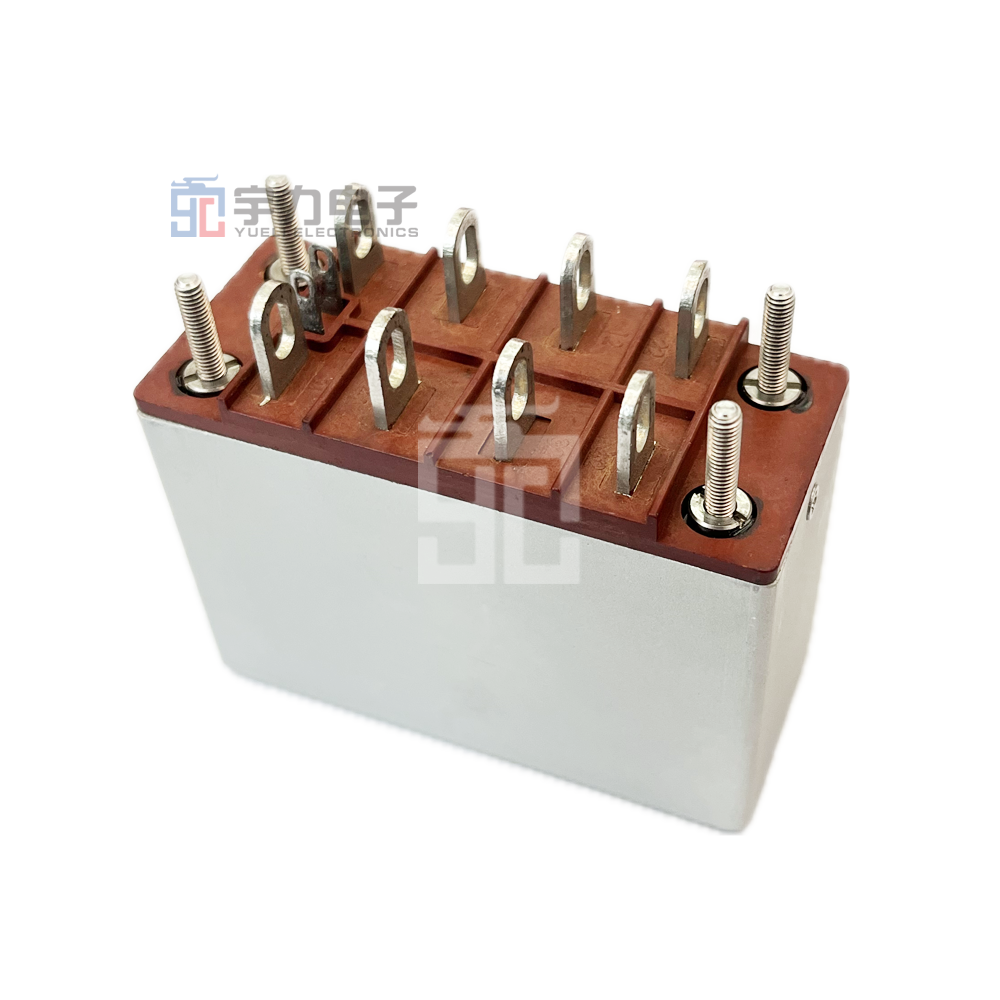
How to Effectively Troubleshoot Issues with Polarized Relays
Table of Contents
- Introduction to Polarized Relays
- Understanding Polarized Relays
- Common Issues with Polarized Relays
- Step-by-Step Troubleshooting Guide
- Tools Needed for Troubleshooting
- Preventive Maintenance Tips for Polarized Relays
- When to Replace a Polarized Relay
- Conclusion
- Frequently Asked Questions
Introduction to Polarized Relays
Polarized relays are essential components in many electronic circuits. They function by using a magnetic field to create a specific direction of current flow, ensuring that the relay operates correctly in applications requiring polarity sensitivity. In this article, we will explore how to troubleshoot issues that may arise with polarized relays, helping you maintain optimal performance.
Understanding Polarized Relays
Before diving into troubleshooting, it is vital to understand the function and structure of polarized relays. These devices typically have an electromagnetic coil and a set of contacts. The coil generates a magnetic field when voltage is applied, activating the relay and closing or opening the contacts. The polarization aspect ensures that the relay operates only when the current is in the correct direction. Knowing these basics will help in identifying potential issues during troubleshooting.
Common Issues with Polarized Relays
Several issues can affect the performance of polarized relays. Recognizing these common problems is the first step in effective troubleshooting:
1. Incorrect Voltage Supply
Supplying the wrong voltage can lead to malfunction or complete failure of the relay. Always check the specifications to ensure the relay receives the correct voltage.
2. Coil Burnout
Excessive voltage or continuous operation can cause the coil to burn out, rendering the relay inoperable. Testing the coil's resistance can help determine if it is functional.
3. Sticking Contacts
Over time, contacts may stick due to arcing or corrosion. This can prevent the relay from switching properly. Regular inspection and cleaning can minimize this issue.
4. Mechanical Wear
Mechanical components of the relay can wear out over time, affecting performance. Understanding the relay's lifespan and usage can help in anticipating failures.
5. Environmental Factors
Humidity, dust, and temperature can all affect relay operation. Ensuring the relay is used in appropriate conditions will prolong its life.
Step-by-Step Troubleshooting Guide
Now that we have identified common issues, we can outline a systematic approach to troubleshooting polarized relays effectively:
Step 1: Safety First
Before beginning any troubleshooting, ensure that power is disconnected. Safety measures are paramount when working with electrical components.
Step 2: Visual Inspection
Conduct a thorough visual inspection of the relay and surrounding components. Look for signs of damage, such as burnt spots, corrosion, or loose connections.
Step 3: Test Voltage Supply
Using a multimeter, check the voltage at the relay's input terminals. It should match the specifications outlined in the relay’s datasheet.
Step 4: Measure Coil Resistance
Disconnect the relay and measure the resistance across the coil terminals with a multimeter. Compare the reading to the manufacturer's specifications. A significantly low or infinite resistance indicates a fault.
Step 5: Check Contact Functionality
Using the multimeter, check whether the contacts are opening and closing properly. This can be done by applying voltage to the coil and observing the contact state.
Step 6: Assess Mechanical Movement
Gently operate the relay's mechanical parts to ensure that they move freely. Any stiffness or resistance may indicate a mechanical malfunction.
Step 7: Replace or Repair
If any defects are found during testing, decide whether to repair or replace the relay. Consider factors like cost, time, and availability of parts.
Tools Needed for Troubleshooting
Having the right tools can significantly enhance the troubleshooting process. Here are some essentials:
- Digital Multimeter: For measuring voltage, current, and resistance.
- Screwdrivers: For opening enclosures and securing connections.
- Circuit Tester: To verify the functionality of electrical components.
- Cleaning Supplies: To clean contacts and remove corrosion.
- Replacement Parts: Having spare relays can expedite repairs.
Preventive Maintenance Tips for Polarized Relays
Implementing preventive maintenance can greatly reduce the likelihood of issues arising with polarized relays. Here are some best practices:
1. Regular Inspections
Conduct visual and functional inspections periodically to catch potential issues before they escalate.
2. Maintain Proper Voltage Levels
Ensure that the relay is always supplied with the correct voltage to avoid premature failure.
3. Clean Contacts Regularly
Regular cleaning of the relay contacts can prevent sticking and ensure reliable operation.
4. Monitor Environmental Conditions
Keep relays in environments with stable temperature and humidity levels to prevent damage.
5. Use Quality Components
Investing in high-quality relays can lead to more reliable performance and longevity.
When to Replace a Polarized Relay
Knowing when to replace a polarized relay can save time and resources. Here are a few indicators:
1. Consistent Malfunctions
If a relay frequently malfunctions even after troubleshooting, it may be time for a replacement.
2. Physical Damage
Any visible signs of damage such as cracks, burns, or corrosion can warrant a replacement.
3. Age of the Relay
Older relays may not perform reliably, regardless of their apparent condition. Consider replacing them if they exceed their expected lifespan.
Conclusion
Troubleshooting polarized relays involves a methodical approach that incorporates understanding common issues and applying systematic checks. By following this guide, technicians can effectively diagnose and resolve problems, ensuring that relays operate efficiently. Regular maintenance and timely replacements can further enhance the reliability of these crucial electronic components.
Frequently Asked Questions
1. What is a polarized relay?
A polarized relay is a type of relay that operates based on the direction of current flow, ensuring that it activates only under specific voltage conditions.
2. How can I tell if my polarized relay is faulty?
Common signs of a faulty polarized relay include irregular operation, burnt contacts, or an inability to activate when voltage is applied.
3. Can I repair a defective polarized relay?
In some cases, cleaning contacts or replacing the coil may fix a relay, but if structural damage is present, replacement is often the best option.
4. What tools do I need to troubleshoot a polarized relay?
You will need a digital multimeter, screwdrivers, a circuit tester, cleaning supplies, and possibly replacement parts.
5. How often should I perform maintenance on my polarized relays?
Regular inspections should be conducted as part of a preventive maintenance schedule, ideally at least once every few months or more frequently in high-use environments.
Xi'an Yuli Electronic Technology Co., Ltd.
Whats App:+8618122061211

Message consultation
Note: Please leave your contact information and our professionals will contact you as soon as possible!