Welcome to the official website of Xi'an Yuli Electronic Technology Co., Ltd.


Understanding DC Contactors: Essential Insights for Electronics Professionals
2026-01-19
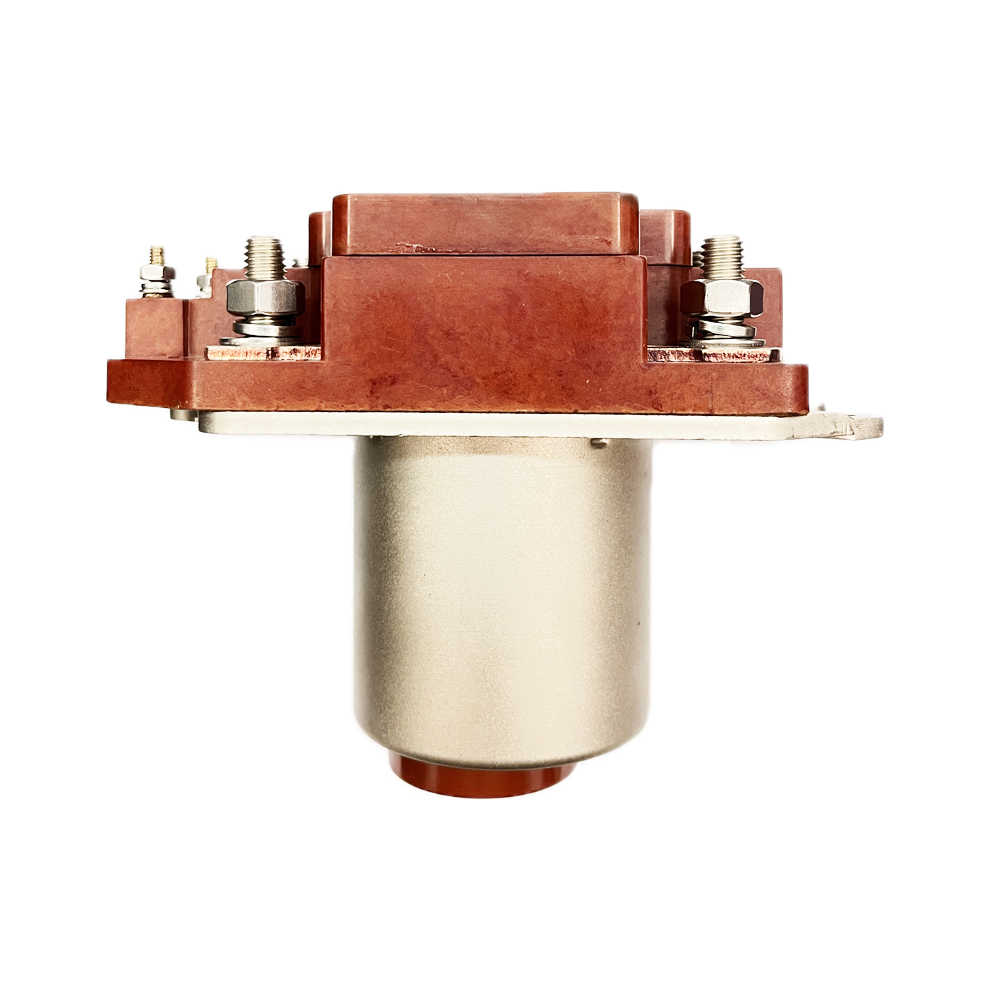
DC contactors are critical components in many electronic and electrical systems, particularly for applications involving direct current (DC). These devices function as electrically-operated switches that control the flow of electrical current, allowing for efficient management of power and ensuring reliable operation of machinery and equipment. Understanding the mechanics and applications of DC contactors is essential for professionals in the electronics industry.
A DC contactor typically consists of a coil, contacts, and a frame. The coil generates a magnetic field when energized, which in turn moves the contacts to either open or close the circuit. This operation is essential in various applications, including motor control, lighting systems, and renewable energy solutions such as solar power systems. The ability to handle high inrush currents, while maintaining a compact design, makes DC contactors particularly suitable for these applications.
One key advantage of using DC contactors is their ability to operate at lower voltages compared to their AC counterparts. This feature is vital in applications like battery-powered systems, where efficiency and power conservation are paramount. Additionally, DC contactors are designed to minimize arcing that can occur when contacts open and close, enhancing their longevity and reliability.
When selecting a DC contactor for a specific application, several factors should be considered. The voltage and current ratings are critical since they determine the contactor’s capacity to handle the load. Understanding the duty cycle is also important, as it defines how often the contactor will be activated during its operation. Furthermore, the environment in which the contactor will be used should be assessed, as factors like temperature, humidity, and exposure to dust can affect performance.
In recent years, advancements in technology have led to the development of smart DC contactors equipped with features such as remote monitoring and control capabilities. These innovations provide enhanced functionality and improved energy efficiency, aligning with the growing demand for automation and smart grid solutions in the electronics sector.
In conclusion, DC contactors serve a vital role in modern electronics, providing reliable switching capabilities for a variety of applications. By understanding their operation, selection criteria, and advancements in technology, professionals in the electronics industry can make informed decisions and optimize their electrical systems for better performance and efficiency. Whether working in industrial automation, renewable energy, or consumer electronics, knowledge of DC contactors is essential for success in the field.
A DC contactor typically consists of a coil, contacts, and a frame. The coil generates a magnetic field when energized, which in turn moves the contacts to either open or close the circuit. This operation is essential in various applications, including motor control, lighting systems, and renewable energy solutions such as solar power systems. The ability to handle high inrush currents, while maintaining a compact design, makes DC contactors particularly suitable for these applications.
One key advantage of using DC contactors is their ability to operate at lower voltages compared to their AC counterparts. This feature is vital in applications like battery-powered systems, where efficiency and power conservation are paramount. Additionally, DC contactors are designed to minimize arcing that can occur when contacts open and close, enhancing their longevity and reliability.
When selecting a DC contactor for a specific application, several factors should be considered. The voltage and current ratings are critical since they determine the contactor’s capacity to handle the load. Understanding the duty cycle is also important, as it defines how often the contactor will be activated during its operation. Furthermore, the environment in which the contactor will be used should be assessed, as factors like temperature, humidity, and exposure to dust can affect performance.
In recent years, advancements in technology have led to the development of smart DC contactors equipped with features such as remote monitoring and control capabilities. These innovations provide enhanced functionality and improved energy efficiency, aligning with the growing demand for automation and smart grid solutions in the electronics sector.
In conclusion, DC contactors serve a vital role in modern electronics, providing reliable switching capabilities for a variety of applications. By understanding their operation, selection criteria, and advancements in technology, professionals in the electronics industry can make informed decisions and optimize their electrical systems for better performance and efficiency. Whether working in industrial automation, renewable energy, or consumer electronics, knowledge of DC contactors is essential for success in the field.
Xi'an Yuli Electronic Technology Co., Ltd.
Whats App:+8618122061211

Message consultation
Note: Please leave your contact information and our professionals will contact you as soon as possible!