Welcome to the official website of Xi'an Yuli Electronic Technology Co., Ltd.


Understanding DC Contactors: Essential Insights for Electronic Components
2026-01-23
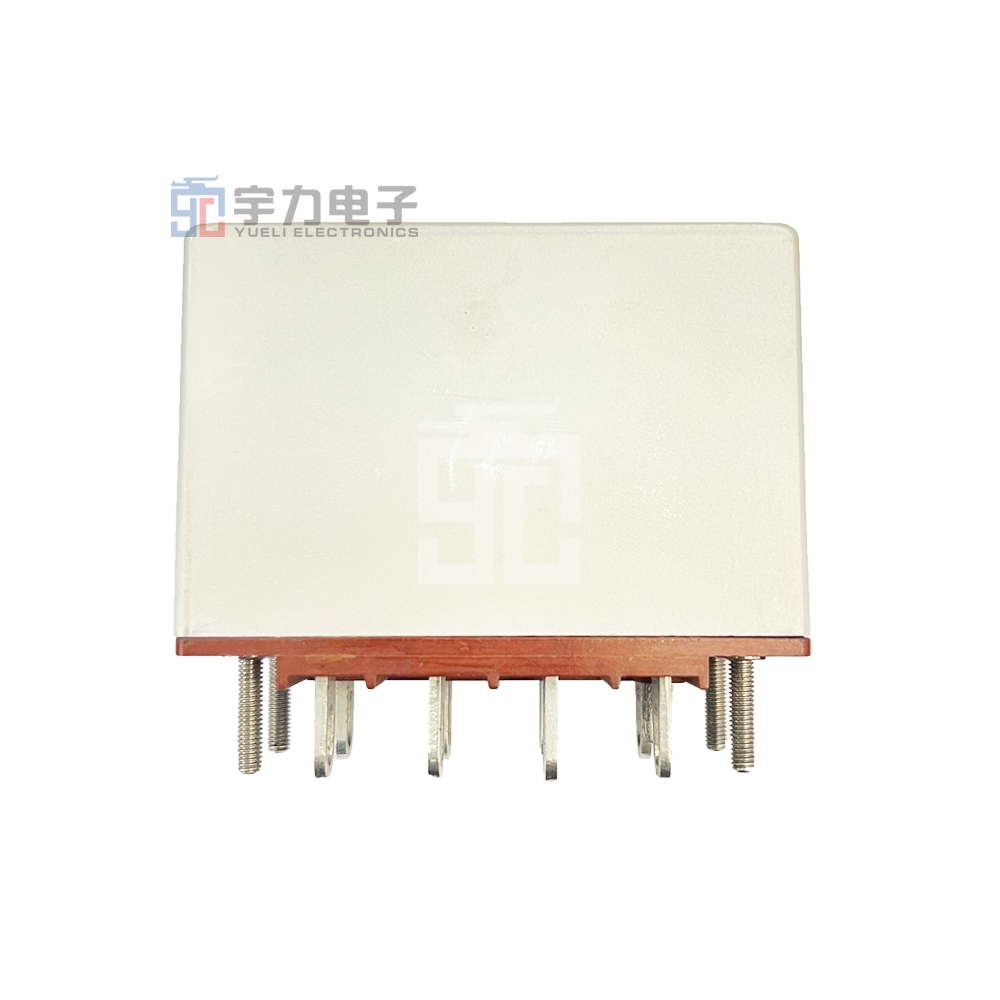
DC contactors are key components in electrical systems, primarily used to control high voltage and current circuits while ensuring safety and reliability. Unlike AC contactors, which are designed for alternating current, DC contactors are specifically built to handle direct current. This distinction is crucial, as the operational characteristics of DC circuits differ significantly from those of AC circuits.
One of the primary functions of a DC contactor is to act as a switch that can open and close the circuit, allowing for the control of electrical loads. Typically, they consist of an electromagnet, movable armature, contacts, and a spring mechanism. When voltage is applied to the coil, the electromagnetic field is generated, which attracts the armature and closes the contacts. This action enables the flow of current to the connected load, making DC contactors essential in various applications, including electric vehicles, renewable energy systems, and industrial machinery.
In terms of applications, DC contactors are widely used due to their ability to manage high inrush currents and provide quick switching capabilities. They are ideal for controlling motors, lighting systems, and battery management systems. Furthermore, these contactors come in various sizes and configurations, allowing them to be tailored to specific needs, whether for small-scale projects or large industrial setups.
When selecting a DC contactor, it is critical to consider several factors, including the voltage and current ratings, coil specifications, and the environmental conditions in which the contactor will operate. Understanding these specifications ensures optimal performance and longevity, helping to prevent failures or safety hazards.
Maintenance is another essential aspect of using DC contactors. Regular inspections and testing can help identify issues such as contact wear, coil malfunctions, or corrosion, which can lead to operational failures. Implementing a maintenance schedule that includes cleaning, testing, and replacing worn components will enhance the reliability of the system and prolong the lifespan of the contactor.
In conclusion, DC contactors play a pivotal role in the realm of electronic components, providing essential switching capabilities in various applications. By understanding their functionality, proper selection criteria, and maintenance practices, users can effectively harness the advantages of these contactors. Whether in electric vehicles or industrial equipment, DC contactors remain indispensable for ensuring efficient and safe electrical operations.
One of the primary functions of a DC contactor is to act as a switch that can open and close the circuit, allowing for the control of electrical loads. Typically, they consist of an electromagnet, movable armature, contacts, and a spring mechanism. When voltage is applied to the coil, the electromagnetic field is generated, which attracts the armature and closes the contacts. This action enables the flow of current to the connected load, making DC contactors essential in various applications, including electric vehicles, renewable energy systems, and industrial machinery.
In terms of applications, DC contactors are widely used due to their ability to manage high inrush currents and provide quick switching capabilities. They are ideal for controlling motors, lighting systems, and battery management systems. Furthermore, these contactors come in various sizes and configurations, allowing them to be tailored to specific needs, whether for small-scale projects or large industrial setups.
When selecting a DC contactor, it is critical to consider several factors, including the voltage and current ratings, coil specifications, and the environmental conditions in which the contactor will operate. Understanding these specifications ensures optimal performance and longevity, helping to prevent failures or safety hazards.
Maintenance is another essential aspect of using DC contactors. Regular inspections and testing can help identify issues such as contact wear, coil malfunctions, or corrosion, which can lead to operational failures. Implementing a maintenance schedule that includes cleaning, testing, and replacing worn components will enhance the reliability of the system and prolong the lifespan of the contactor.
In conclusion, DC contactors play a pivotal role in the realm of electronic components, providing essential switching capabilities in various applications. By understanding their functionality, proper selection criteria, and maintenance practices, users can effectively harness the advantages of these contactors. Whether in electric vehicles or industrial equipment, DC contactors remain indispensable for ensuring efficient and safe electrical operations.
Previous:
Xi'an Yuli Electronic Technology Co., Ltd.
Whats App:+8618122061211

Message consultation
Note: Please leave your contact information and our professionals will contact you as soon as possible!