Welcome to the official website of Xi'an Yuli Electronic Technology Co., Ltd.


Why Your Next Project Needs an Electromagnetic Relay: Unlocking Efficiency and Reliability
2026-01-24
Why Your Next Project Needs an Electromagnetic Relay
Table of Contents
- 1. Introduction to Electromagnetic Relays
- 2. What Are Electromagnetic Relays?
- 3. How Do Electromagnetic Relays Work?
- 4. Advantages of Using Electromagnetic Relays
- 5. Applications of Electromagnetic Relays
- 6. Selecting the Right Electromagnetic Relay for Your Project
- 7. Common Misconceptions About Electromagnetic Relays
- 8. Maintenance and Troubleshooting Tips
- 9. Frequently Asked Questions
- 10. Conclusion
1. Introduction to Electromagnetic Relays
In the realm of electronic design, **electromagnetic relays** stand out as pivotal components that ensure both efficiency and reliability. Whether you're developing a simple circuit or a complex automation system, understanding the role of relays can significantly enhance your project's performance. This article delves into the fundamentals of electromagnetic relays, shedding light on their mechanisms, benefits, applications, and the best practices for integrating them into your designs.
2. What Are Electromagnetic Relays?
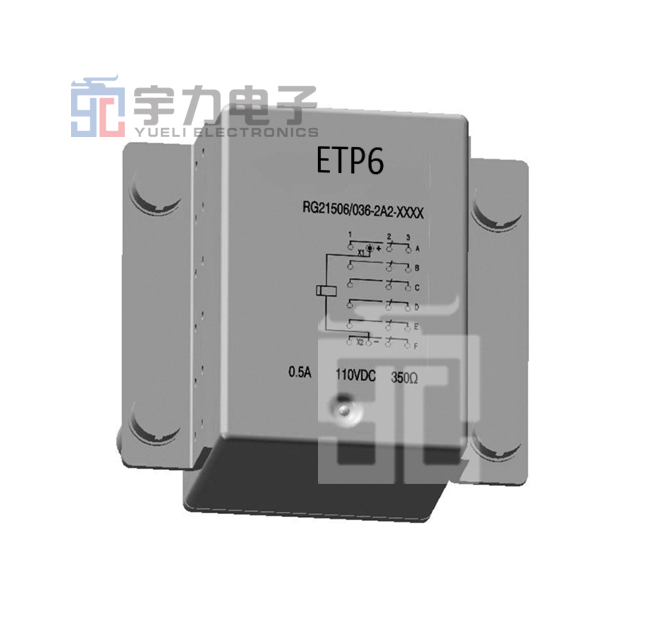
An **electromagnetic relay** is an electromechanical switch that uses an electromagnet to mechanically operate a set of contacts. When an electrical current passes through the coil of the relay, it generates a magnetic field, which attracts a movable armature, closing or opening the circuit. This fundamental operation allows relays to control larger electrical loads with a lower voltage signal, making them indispensable in various applications.
Key Components of Electromagnetic Relays
1. **Coil**: Produces a magnetic field when energized.
2. **Armature**: A movable contact that opens/closes the circuit.
3. **Contacts**: Conductive parts that connect or disconnect the circuit.
4. **Spring**: Returns the armature to its original position when the coil is de-energized.
3. How Do Electromagnetic Relays Work?
The working principle of an electromagnetic relay is relatively straightforward. Upon applying voltage to the relay's coil, the coil generates a magnetic field that pulls the armature towards it. This movement either closes or opens the contacts, thereby controlling the flow of electricity in the circuit.
Operational Phases of Electromagnetic Relays
- **Energized State**: When power is supplied, the relay clicks, and the contacts change state.
- **De-energized State**: When the power supply is cut off, the spring mechanism reverts the armature to its original position, resetting the contacts.
4. Advantages of Using Electromagnetic Relays
Integrating electromagnetic relays into your projects can yield numerous advantages that enhance both functionality and safety.
1. High Voltage and Current Handling
Electromagnetic relays can control high-voltage and high-current circuits, providing isolation between the control signal and the load, which is essential for protecting sensitive components.
2. Versatility
These relays can switch AC and DC loads, making them relevant across various applications, from automotive systems to industrial automation.
3. Reliability
Electromagnetic relays are known for their durability and long operational life, often exceeding mechanical switches in longevity.
4. Simple Control Logic
They allow for straightforward control logic in circuits, enabling complex operations without the need for intricate programming or control systems.
5. Applications of Electromagnetic Relays
Electromagnetic relays find widespread use in multiple fields, demonstrating their adaptability and importance.
1. Industrial Automation
In manufacturing settings, relays are used for controlling machinery, lighting, and safety systems, ensuring smooth and safe operations.
2. Automotive Systems
Relays are crucial in automotive applications, from controlling headlights to managing power windows, ensuring reliable performance under varying conditions.
3. Home Appliances
In household devices, electromagnetic relays are often employed in washing machines, refrigerators, and HVAC systems, providing effective control mechanisms.
4. Telecommunications
Relays are vital in communication systems for switching signals and managing connections, ensuring uninterrupted service.
6. Selecting the Right Electromagnetic Relay for Your Project
Choosing the appropriate electromagnetic relay involves several considerations to ensure optimal performance and reliability.
1. Load Requirements
Assess the voltage and current specifications of the load to select a relay with suitable ratings, ensuring that it can handle the operational conditions without failure.
2. Coil Voltage
Select a relay with a coil voltage that matches your control signal. This compatibility ensures efficient operation and prevents damage to the relay or control circuit.
3. Contact Configuration
Consider the configuration of contacts needed for your application, whether normally open (NO), normally closed (NC), or a combination of both.
4. Mounting Type
Choose a relay that fits the physical requirements of your project, considering factors like size, mounting style (socket-mounted or PCB-mounted), and environmental conditions.
7. Common Misconceptions About Electromagnetic Relays
Despite their widespread use, several misconceptions about electromagnetic relays persist.
1. Relays Are Only for High-Voltage Applications
While relays excel in high-voltage scenarios, they are equally effective in low-voltage applications, making them versatile components in any circuit.
2. Relays Are Obsolete in Modern Electronics
Contrary to this belief, relays remain relevant and are often preferred in applications where mechanical isolation and reliability are paramount.
3. All Relays Are the Same
Relays come in various types and configurations. It’s essential to choose the right type to match your specific application requirements.
8. Maintenance and Troubleshooting Tips
Regular maintenance of electromagnetic relays can enhance their lifespan and ensure reliable operation.
1. Regular Inspections
Conduct periodic checks for wear and tear, ensuring that contacts are clean and free from corrosion.
2. Testing Functionality
Use a multimeter to check the continuity and functionality of the relay, ensuring it operates as intended.
3. Follow Manufacturer Guidelines
Always adhere to the manufacturer’s specifications for installation and operation to avoid premature failure and ensure optimal performance.
9. Frequently Asked Questions
1. What is the lifespan of an electromagnetic relay?
The lifespan of an electromagnetic relay varies based on usage, load conditions, and environmental factors, but they can often operate for millions of cycles under proper conditions.
2. Can I use an electromagnetic relay in a microcontroller project?
Yes, electromagnetic relays are commonly used in microcontroller projects to control high-power devices without overwhelming the microcontroller.
3. Are there alternatives to electromagnetic relays?
Yes, solid-state relays (SSRs) and other types of switches can serve similar functions, but electromagnetic relays provide unique advantages such as mechanical isolation.
4. How do I know if my relay is faulty?
Signs of a faulty relay include failure to switch, unusual clicking sounds, or physical damage. Testing with a multimeter can confirm functionality.
5. What are the safety precautions when using relays?
Always ensure proper insulation, avoid overloading, and follow voltage ratings to prevent accidents and ensure safe operation.
10. Conclusion
Incorporating **electromagnetic relays** into your electronic projects is a strategic decision that can significantly enhance efficiency, reliability, and safety. With their versatility in handling various applications, from industrial automation to home appliances, understanding their operation and benefits will empower you to make informed choices in your designs. By selecting the right relay and adhering to best practices, you can unlock the full potential of your projects, ensuring long-lasting performance and optimal results.
Xi'an Yuli Electronic Technology Co., Ltd.
Whats App:+8618122061211

Message consultation
Note: Please leave your contact information and our professionals will contact you as soon as possible!