Welcome to the official website of Xi'an Yuli Electronic Technology Co., Ltd.


Exploring the Benefits and Applications of High Power Relays in Electronics
2026-01-25
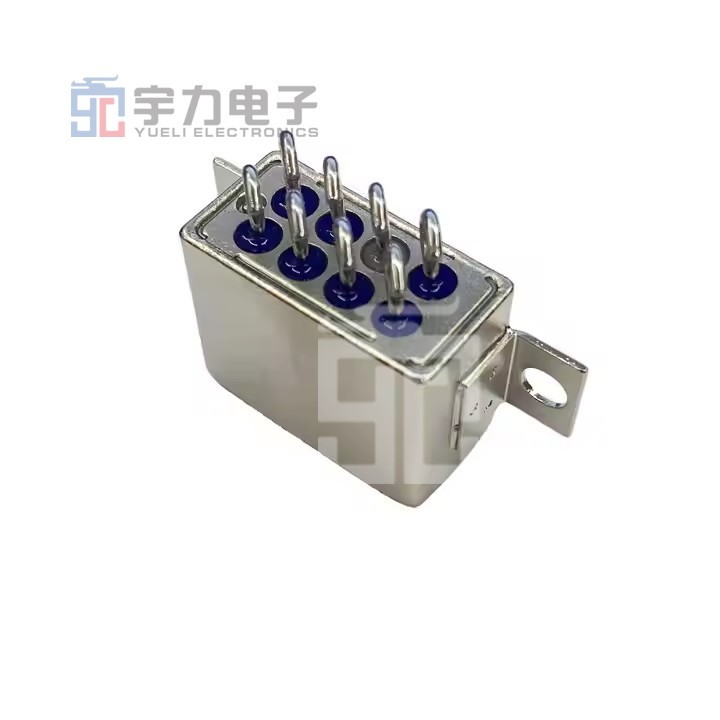
High power relays are essential components in the realm of electronics, serving as crucial devices that manage the control and distribution of electrical energy. These relays are designed to handle high voltage and current levels, making them indispensable in a wide range of applications, from industrial automation to automotive systems. Understanding the functionality and features of high power relays can help professionals make informed decisions when integrating these components into their systems.
One of the primary advantages of high power relays is their ability to isolate different circuit sections while allowing high current to flow in a controlled manner. This isolation helps protect sensitive components from potential damage due to voltage spikes or surges. Furthermore, high power relays offer robust performance under challenging conditions, including extreme temperatures and humidity levels, ensuring reliability and longevity in demanding environments.
In terms of applications, high power relays are commonly found in motor control systems, where they are used to switch on and off electric motors safely. They are also utilized in power distribution systems, helping to manage energy flow efficiently. Additionally, these relays play a critical role in renewable energy systems, such as solar inverters and wind turbines, where they help optimize energy conversion and distribution.
Another significant benefit of high power relays is their relatively simple operation. Most high power relays can be activated by low-power control signals, allowing for easy integration into automation systems. This characteristic is particularly advantageous in applications where space is limited or where multiple functions must be controlled from a single interface.
When selecting a high power relay for a specific application, it is essential to consider several key factors. These include the relay's voltage and current ratings, switching speed, and contact configuration. Moreover, manufacturers often provide detailed specifications and performance charts, which can aid in determining the most suitable relay for a given project.
In conclusion, high power relays are invaluable components in the electronics industry, enabling the effective control of high voltage and current applications. Their ability to provide electrical isolation, robust performance, and straightforward operation makes them a popular choice in various fields, including industrial automation, automotive systems, and renewable energy. By understanding the characteristics and applications of high power relays, professionals can enhance the reliability and efficiency of their electronic systems while ensuring optimal performance.
One of the primary advantages of high power relays is their ability to isolate different circuit sections while allowing high current to flow in a controlled manner. This isolation helps protect sensitive components from potential damage due to voltage spikes or surges. Furthermore, high power relays offer robust performance under challenging conditions, including extreme temperatures and humidity levels, ensuring reliability and longevity in demanding environments.
In terms of applications, high power relays are commonly found in motor control systems, where they are used to switch on and off electric motors safely. They are also utilized in power distribution systems, helping to manage energy flow efficiently. Additionally, these relays play a critical role in renewable energy systems, such as solar inverters and wind turbines, where they help optimize energy conversion and distribution.
Another significant benefit of high power relays is their relatively simple operation. Most high power relays can be activated by low-power control signals, allowing for easy integration into automation systems. This characteristic is particularly advantageous in applications where space is limited or where multiple functions must be controlled from a single interface.
When selecting a high power relay for a specific application, it is essential to consider several key factors. These include the relay's voltage and current ratings, switching speed, and contact configuration. Moreover, manufacturers often provide detailed specifications and performance charts, which can aid in determining the most suitable relay for a given project.
In conclusion, high power relays are invaluable components in the electronics industry, enabling the effective control of high voltage and current applications. Their ability to provide electrical isolation, robust performance, and straightforward operation makes them a popular choice in various fields, including industrial automation, automotive systems, and renewable energy. By understanding the characteristics and applications of high power relays, professionals can enhance the reliability and efficiency of their electronic systems while ensuring optimal performance.
Xi'an Yuli Electronic Technology Co., Ltd.
Whats App:+8618122061211

Message consultation
Note: Please leave your contact information and our professionals will contact you as soon as possible!