Welcome to the official website of Xi'an Yuli Electronic Technology Co., Ltd.


Maximizing Performance with Miniature Relays in High-Frequency Applications
2026-01-26
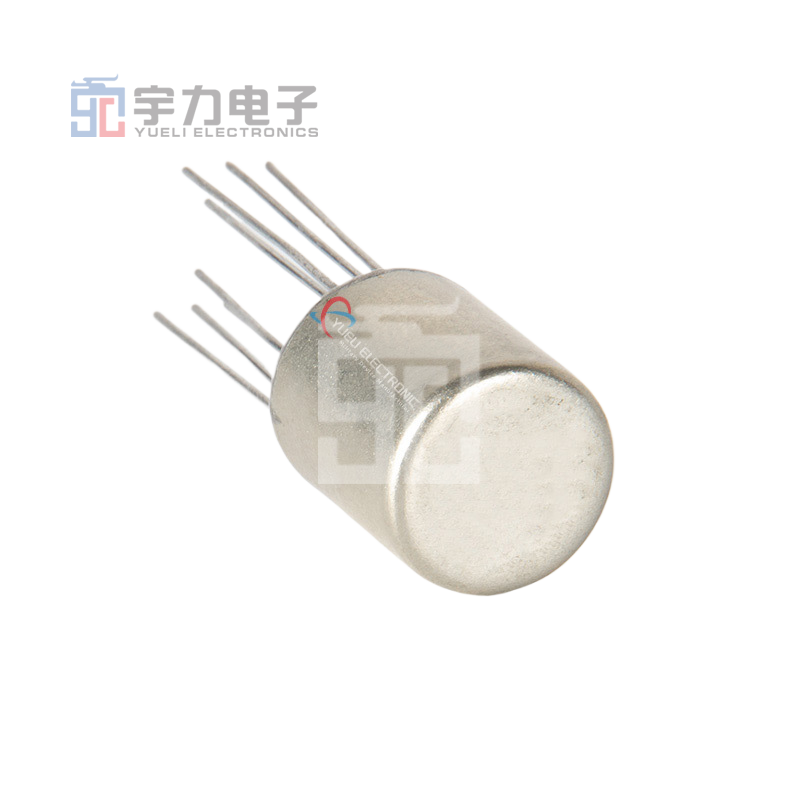
Maximizing Performance with Miniature Relays in High-Frequency Applications
Table of Contents
- Understanding Miniature Relays and Their Applications
- Advantages of Miniature Relays in High-Frequency Environments
- Key Design Considerations for High-Frequency Applications
- Types of Miniature Relays Suitable for High Frequencies
Understanding Miniature Relays and Their Applications
Miniature relays serve as crucial components in electronic systems, acting as switches that control the flow of electricity in various applications. These devices are particularly valued in scenarios where space is at a premium, and high-frequency performance is essential. By using miniature relays, engineers can manage multiple circuits efficiently without taking up excessive board space.
High-frequency applications, such as telecommunications, radar systems, and RF circuits, demand precision and reliability. Miniature relays, with their compact size and efficient switching capabilities, are designed to meet these stringent requirements. Their ability to operate effectively at higher frequencies makes them a popular choice for modern electronic systems.
Advantages of Miniature Relays in High-Frequency Environments
The integration of miniature relays in high-frequency applications offers numerous advantages:
Compact Size and Lightweight Design
Miniature relays are designed to occupy minimal space, which is critical for modern electronics. This compactness allows engineers to create more densely packed circuit boards without compromising performance.
Enhanced Switching Speed
One of the most significant benefits of miniature relays is their rapid switching capabilities. This feature is particularly advantageous in high-frequency applications, where delays can lead to signal degradation and performance issues.
Low Power Consumption
Miniature relays typically consume less power than their larger counterparts, making them ideal for battery-operated devices and energy-efficient systems.
Improved Signal Integrity
In high-frequency applications, maintaining signal integrity is paramount. Miniature relays are designed to minimize unwanted capacitance and inductance, ensuring that signals remain clear and undistorted.
Versatile Applications
These relays can be utilized in various applications, from automotive systems to telecommunications equipment, showcasing their adaptability and reliability across different industries.
Key Design Considerations for High-Frequency Applications
When integrating miniature relays into high-frequency designs, several crucial factors must be considered to maximize their performance:
Relay Specifications
Understanding the technical specifications of the relay, such as the maximum frequency rating, contact resistance, and switching speed, is essential for ensuring compatibility with the intended application.
PCB Layout and Design
The layout of the printed circuit board (PCB) plays a significant role in the performance of miniature relays. Keeping traces short and minimizing bends can help reduce inductance and capacitance, which are critical at high frequencies.
Isolation Techniques
Implementing proper isolation techniques can prevent signal interference between different circuits. Using ground planes and shielding can enhance performance and reliability in high-frequency applications.
Thermal Management
Heat dissipation is a critical concern in high-frequency applications. Ensuring that the relay operates within its specified temperature range is vital to maintain performance and longevity.
Types of Miniature Relays Suitable for High Frequencies
Various types of miniature relays are designed for high-frequency applications, including:
Electromechanical Relays (EMRs)
EMRs are traditional relays that use an electromagnetic coil to open or close contacts. While they may not be the fastest, they offer robust performance in many applications.
Solid-State Relays (SSRs)
SSRs use semiconductor components to perform switching without moving parts, providing faster response times and greater reliability in high-frequency environments.
RF Relays
Specifically designed for radio frequency applications, RF relays are optimized for minimal insertion loss and maximum isolation, making them ideal for RF circuits.
Photo Relays
Using light to switch circuits, photo relays offer high speed and isolation from the controlled circuit, making them suitable for sensitive high-frequency applications.
Performance Optimization Techniques for Miniature Relays
To ensure optimal performance of miniature relays in high-frequency applications, consider the following techniques:
Minimize Lead Length
Shorter lead lengths reduce inductance and improve signal integrity, allowing the relay to operate more effectively at higher frequencies.
Use Low-Profile Components
Integrating low-profile components can help maintain a compact design while enhancing performance, particularly in crowded circuit boards.
Implement Correct Sizing
Selecting the appropriate relay size based on the specific application requirements ensures that the relay operates efficiently without unnecessary strain.
Testing and Validation
Regular testing and validation of the relay's performance in the intended application can identify potential issues early, allowing for adjustments before deployment.
Troubleshooting Common Issues in High-Frequency Relay Applications
Even with careful design and implementation, issues can arise in high-frequency relay applications. Here are some common problems and their solutions:
Signal Integrity Problems
If signal degradation occurs, inspect the PCB layout for long traces or inadequate grounding. Adjusting the layout and rerouting traces may resolve these issues.
Relay Heating Issues
Excessive heating can impact performance. Ensure that the relay is operating within its specified ratings and consider adding heat sinks or improving ventilation.
Interference from Other Components
Electromagnetic interference (EMI) can disrupt relay performance. Implementing shielding techniques and proper grounding can mitigate these effects.
Case Studies: Successful Implementations of Miniature Relays
Examining real-world applications can provide valuable insights into the effectiveness of miniature relays in high-frequency scenarios:
Telecommunications Systems
In a recent telecommunications project, engineers successfully integrated RF relays to switch signals rapidly, enhancing overall system performance and reducing latency.
Automotive Applications
A leading automotive manufacturer utilized miniature relays in their advanced driver-assistance systems (ADAS) to manage multiple high-frequency signals, improving safety and functionality.
Consumer Electronics
In the consumer electronics market, a company adopted solid-state relays in their product line, resulting in faster operation and reduced power consumption, appealing to eco-conscious consumers.
Future Trends in Miniature Relay Technology and Applications
As technology continues to advance, several trends are expected to shape the future of miniature relays in high-frequency applications:
Increased Automation
Automation in manufacturing processes will lead to more sophisticated miniature relay designs, enhancing performance and reliability.
Integration with IoT Devices
As the Internet of Things (IoT) continues to expand, miniature relays will play a crucial role in managing the connectivity and communication of various devices.
Advancements in Materials
Emerging materials will improve the performance characteristics of relays, allowing for even higher frequency applications and reduced signal loss.
Frequently Asked Questions
What is a miniature relay?
A miniature relay is a compact electrical switch that can control a circuit by using an electromagnetic coil to open or close contacts. These relays are widely used in various applications, particularly where space is limited.
How do I choose the right miniature relay for my application?
Choosing the right miniature relay involves considering factors such as the maximum frequency, contact configuration, current and voltage ratings, and specific environmental conditions of your application.
Can miniature relays operate in high temperatures?
Most miniature relays are rated for specific temperature ranges. It's essential to select a relay that can operate within the temperature conditions of your application to avoid performance issues.
What are solid-state relays, and why are they preferred for high-frequency applications?
Solid-state relays (SSRs) use semiconductor technology to switch circuits without moving parts, offering faster switching speeds and greater reliability, making them ideal for high-frequency applications.
How can I troubleshoot signal integrity issues with miniature relays?
To troubleshoot signal integrity issues, start by inspecting the PCB layout for long traces and inadequate grounding. Additionally, check for possible electromagnetic interference and consider implementing shielding techniques.
Conclusion
Incorporating miniature relays into high-frequency applications can significantly enhance performance and reliability. By understanding their advantages, design considerations, and optimization techniques, engineers can unlock the full potential of these critical components. As technology continues to evolve, staying ahead of trends will ensure that your designs remain at the forefront of innovation in the electronics industry. Embrace the power of miniature relays today, and elevate your high-frequency applications to new heights of performance and efficiency.
Xi'an Yuli Electronic Technology Co., Ltd.
Whats App:+8618122061211

Message consultation
Note: Please leave your contact information and our professionals will contact you as soon as possible!