Welcome to the official website of Xi'an Yuli Electronic Technology Co., Ltd.


Understanding Sealed Relays: Key Features and Applications
2026-01-29
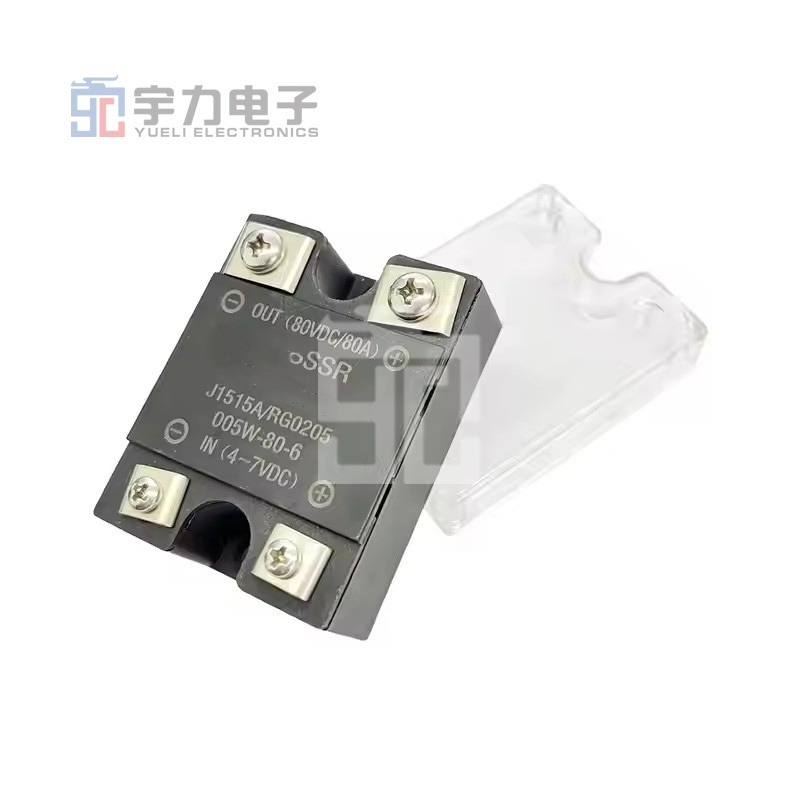
Sealed relays are specialized components widely used in various electronic applications due to their robust design and reliability. Unlike standard relays, which may expose internal mechanisms, sealed relays feature an enclosure that protects their internal parts from environmental factors such as dust, moisture, and corrosive elements. This characteristic makes them particularly valuable in applications where durability and long-term performance are critical.
One of the primary advantages of sealed relays is their ability to operate effectively in harsh conditions. The sealed construction prevents the ingress of contaminants, which could otherwise lead to malfunction or failure. This feature is especially important in automotive, industrial, and marine applications, where equipment is often exposed to extreme temperatures, high humidity, or corrosive substances.
In addition to their environmental resilience, sealed relays offer excellent electrical performance. They are designed to handle high currents and voltages, making them suitable for controlling larger loads in various systems. Their ability to provide reliable switching is essential in applications ranging from motor control to signal switching. Furthermore, the sealed construction helps reduce the risk of arcing and contact erosion, enhancing the relay's lifespan and reliability.
Another important aspect of sealed relays is their versatility. They come in various sizes and configurations, allowing engineers to select the most appropriate relay for their specific needs. This adaptability is crucial in modern electronics, where miniaturization and customization are often required. Sealed relays can be found in everything from consumer electronics to industrial automation systems, demonstrating their wide-ranging applicability.
Moreover, sealed relays are designed with safety in mind. The enclosure not only protects the internal components but also minimizes the risk of accidental contact with live parts, reducing the potential for electrical accidents. This feature is particularly important in public-facing or high-risk applications where safety is paramount.
In summary, sealed relays play a vital role in the reliability and durability of electronic systems. Their robust design, excellent electrical performance, and adaptability to harsh environments make them an indispensable component in many industries. Understanding the benefits and applications of sealed relays can help professionals make informed decisions when selecting components for their projects, ensuring optimal performance and longevity.
One of the primary advantages of sealed relays is their ability to operate effectively in harsh conditions. The sealed construction prevents the ingress of contaminants, which could otherwise lead to malfunction or failure. This feature is especially important in automotive, industrial, and marine applications, where equipment is often exposed to extreme temperatures, high humidity, or corrosive substances.
In addition to their environmental resilience, sealed relays offer excellent electrical performance. They are designed to handle high currents and voltages, making them suitable for controlling larger loads in various systems. Their ability to provide reliable switching is essential in applications ranging from motor control to signal switching. Furthermore, the sealed construction helps reduce the risk of arcing and contact erosion, enhancing the relay's lifespan and reliability.
Another important aspect of sealed relays is their versatility. They come in various sizes and configurations, allowing engineers to select the most appropriate relay for their specific needs. This adaptability is crucial in modern electronics, where miniaturization and customization are often required. Sealed relays can be found in everything from consumer electronics to industrial automation systems, demonstrating their wide-ranging applicability.
Moreover, sealed relays are designed with safety in mind. The enclosure not only protects the internal components but also minimizes the risk of accidental contact with live parts, reducing the potential for electrical accidents. This feature is particularly important in public-facing or high-risk applications where safety is paramount.
In summary, sealed relays play a vital role in the reliability and durability of electronic systems. Their robust design, excellent electrical performance, and adaptability to harsh environments make them an indispensable component in many industries. Understanding the benefits and applications of sealed relays can help professionals make informed decisions when selecting components for their projects, ensuring optimal performance and longevity.
Xi'an Yuli Electronic Technology Co., Ltd.
Whats App:+8618122061211

Message consultation
Note: Please leave your contact information and our professionals will contact you as soon as possible!