Welcome to the official website of Xi'an Yuli Electronic Technology Co., Ltd.


How Three Phase Relays Enhance Operational Reliability in Electrical Systems
2026-01-30
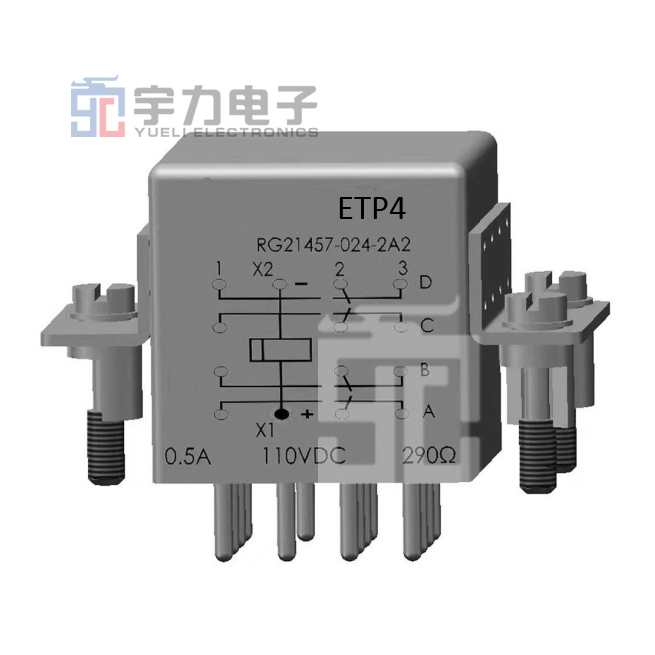
How Three Phase Relays Enhance Operational Reliability in Electrical Systems
Table of Contents
- Understanding Three Phase Relays
- Benefits of Using Three Phase Relays
- Operational Reliability in Industrial Applications
- How Three Phase Relays Work
- Installation Guide for Three Phase Relays
- Maintenance Tips for Three Phase Relays
- Case Studies and Examples of Three Phase Relays
- Frequently Asked Questions
Understanding Three Phase Relays
Three phase relays are essential components in electrical systems that manage and control the flow of electricity in three-phase circuits. These devices act as switches that respond to electrical conditions, protecting equipment and ensuring stable operations. With the increasing complexity of electrical systems, **three phase relays** have become crucial in ensuring **operational reliability**.
When it comes to industrial and commercial applications, three-phase systems are favored for their efficiency and power capacity. Understanding how these relays work is fundamental to appreciating their role in enhancing operational reliability.
Benefits of Using Three Phase Relays
Three phase relays offer numerous benefits that contribute to the operational reliability of electrical systems. Here are some of the key advantages:
1. Protection Against Overload and Short Circuits
One of the primary functions of three phase relays is to protect against overloads and short circuits. These conditions can lead to catastrophic failures if not addressed promptly. By automatically disconnecting the circuit during excessive load conditions, three phase relays prevent damage to machinery and electrical components.
2. Enhanced System Monitoring
Three phase relays often come equipped with monitoring features that allow operators to track electrical parameters in real time. This capability enables quicker responses to potential issues, thereby improving overall system reliability.
3. Improved Efficiency
By ensuring that electrical systems operate within their designed parameters, three phase relays help improve overall efficiency. This efficiency reduces energy waste, leading to lower operational costs and a smaller carbon footprint.
4. Versatility in Applications
These relays are suitable for a wide range of applications, including motor control, generator protection, and load management. Their versatility makes them an ideal choice for various industries, contributing to their growing popularity.
Operational Reliability in Industrial Applications
In industrial settings, operational reliability is paramount. A failure in electrical systems can lead to significant downtime, loss of productivity, and expensive repairs. Here's how three phase relays play a pivotal role in enhancing operational reliability:
1. Continuous Monitoring and Control
Three phase relays continuously monitor electrical conditions, allowing for immediate intervention during abnormal situations. This proactive approach minimizes the risks associated with electrical failures.
2. Reducing Downtime
With their ability to quickly react to overloads or faults, three phase relays reduce the downtime experienced during electrical failures. This reliability is critical for industries that rely on continuous operation.
3. Safety Enhancements
The integration of three phase relays increases safety for both equipment and personnel. By preventing electrical faults and ensuring stable operations, these devices significantly reduce the risk of accidents.
How Three Phase Relays Work
Understanding the operational mechanics of three phase relays is essential for appreciating their effectiveness in improving operational reliability.
1. Basic Construction
Three phase relays consist of several key components, including the coil, contacts, and mechanism for current sensing. When electrical conditions become unfavorable, the coil energizes, triggering the contacts to open or close accordingly.
2. Sensing Current Conditions
These relays continuously sense current flow in all three phases. If there is an imbalance or overload detected, the relay reacts by interrupting the current, thus protecting the connected equipment.
3. Communication with Other Systems
Many modern three phase relays can communicate with supervisory control and data acquisition (SCADA) systems. This integration allows for comprehensive monitoring and control throughout the entire electrical network.
Installation Guide for Three Phase Relays
Installing three phase relays requires careful planning and execution to ensure optimal performance and reliability. Here’s a step-by-step guide:
1. Site Assessment
Before installation, conduct a thorough site assessment to determine the correct specifications for the relay. Factors to consider include electrical load, environmental conditions, and compatibility with existing systems.
2. Selecting the Right Relay
Choose a relay that meets the specific requirements of your application. Consider factors like voltage, current ratings, and additional features required for your operational needs.
3. Proper Wiring and Connections
Follow the manufacturer's guidelines for wiring and connections. Ensure that all connections are secure and that the relay is installed in a suitable enclosure to protect it from environmental factors.
4. Testing Before Commissioning
After installation, thoroughly test the relay to ensure that it operates correctly under various conditions. This testing phase is crucial for confirming that the relay will function as intended during actual operation.
Maintenance Tips for Three Phase Relays
To ensure the long-term reliability of three phase relays, regular maintenance is essential. Here are some best practices:
1. Routine Inspections
Conduct routine inspections to check for signs of wear and tear. Look for any loose connections, signs of corrosion, or overheating that could indicate potential issues.
2. Cleaning and Dust Removal
Keep the relays clean and free of dust and debris. Accumulations can interfere with the relay's operation and lead to malfunctions.
3. Calibration and Testing
Regularly calibrate and test the relays to ensure they remain within their operational parameters. This testing should be part of a scheduled maintenance program to minimize unexpected failures.
Case Studies and Examples of Three Phase Relays
Several industries have successfully implemented three phase relays, reaping the benefits of enhanced operational reliability.
1. Manufacturing Plants
A leading manufacturing plant installed three phase relays to control motor operations across multiple production lines. Within weeks, they experienced a significant reduction in downtime and losses, validating the effectiveness of these relays.
2. Power Generation Facilities
In a large power generation facility, three phase relays were integrated into their system for generator protection. The result was enhanced system stability and reduced failure rates, ensuring a consistent power supply.
3. HVAC Systems
A commercial HVAC system utilized three phase relays for compressor control. By doing so, they improved energy efficiency and decreased maintenance costs, demonstrating the versatility of these relays.
Frequently Asked Questions
1. What is a three phase relay?
A three phase relay is a protective device that monitors electrical conditions in three-phase systems and interrupts currents in case of faults, overloads, or imbalances.
2. How do three phase relays improve reliability?
By providing real-time monitoring and swift response to electrical abnormalities, three phase relays prevent equipment damage and reduce the risk of downtime, ensuring operational reliability.
3. Are three phase relays suitable for all industries?
Yes, three phase relays are versatile and can be used in various industries, including manufacturing, power generation, and HVAC systems.
4. What maintenance is required for three phase relays?
Regular inspections, cleaning, calibration, and functional testing are essential for maintaining the reliability of three phase relays.
5. Can three phase relays communicate with other systems?
Yes, many modern three phase relays can interface with SCADA and other monitoring systems for comprehensive control and data tracking.
Conclusion
Three phase relays are integral to enhancing operational reliability in electrical systems. Their capability to monitor, control, and protect three-phase circuits makes them indispensable in various applications. By understanding their functionality, benefits, and maintenance, industries can significantly improve their operational efficiency and safety. Investing in high-quality three phase relays and adhering to best practices in installation and maintenance will ensure that your electrical systems run smoothly and reliably for years to come.
Xi'an Yuli Electronic Technology Co., Ltd.
Whats App:+8618122061211

Message consultation
Note: Please leave your contact information and our professionals will contact you as soon as possible!