Welcome to the official website of Xi'an Yuli Electronic Technology Co., Ltd.


The Essential Guide to Signal Relays: Key Features and Applications
2026-01-31
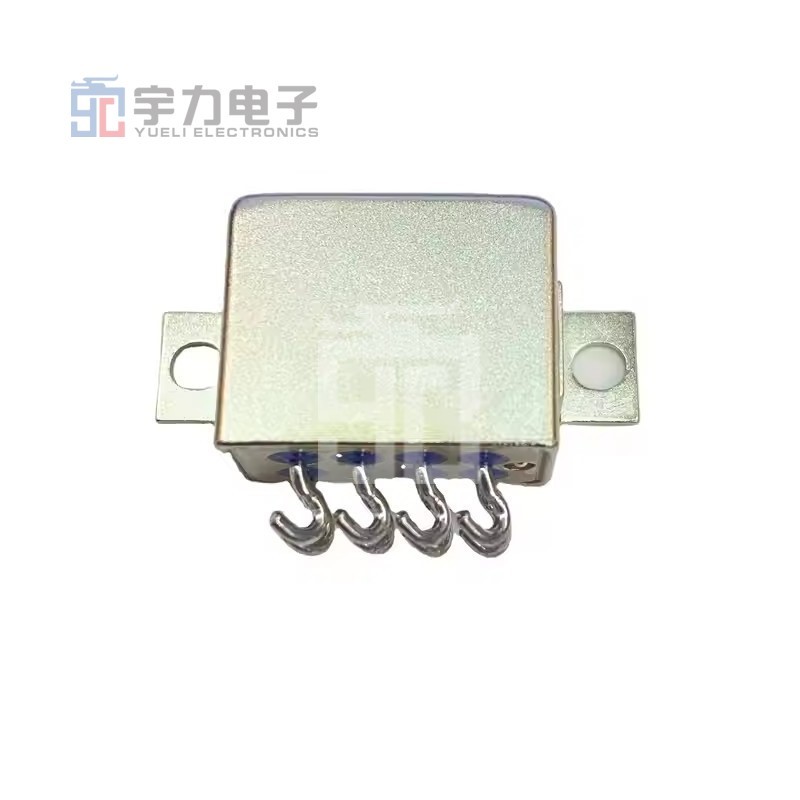
Signal relays are a vital component in the realm of electronic devices, serving as switches that control the flow of electrical signals. These components are designed to manage low-power control signals, allowing for the operation of larger loads without direct electrical connection. Their ability to handle multiple circuits simultaneously makes them an indispensable part of various applications across industries.
One of the primary characteristics of signal relays is their electromagnetic operation. When a current passes through the coil of the relay, it generates a magnetic field that attracts a movable armature, closing or opening the circuit. This mechanism allows for a reliable means of controlling electrical devices, offering isolation between control and load circuits, which is essential in protecting sensitive electronics from damage.
Signal relays come in various types, including electromechanical and solid-state relays. Electromechanical relays utilize physical movement to operate, making them suitable for applications where high voltage or current is involved. Solid-state relays, on the other hand, use semiconductor components to perform switching tasks, providing faster response times and longer life cycles due to the absence of moving parts. Understanding the differences and applications of these relay types is crucial for professionals selecting the right component for their specific needs.
In terms of applications, signal relays are commonly found in telecommunications, automotive systems, industrial automation, and consumer electronics. For instance, in telecommunications, they are used to switch signals between different lines, ensuring clear communication. In automotive applications, signal relays contribute to lighting and power control systems, enhancing vehicle safety and functionality. Industrial automation relies heavily on signal relays to manage control systems, providing reliable operation in manufacturing processes.
Furthermore, signal relays offer several advantages. They enable remote control of devices, enhance system reliability through isolation, and reduce the risk of electrical interference. Their compact size allows for efficient space utilization in electronic designs, making them ideal for modern compact devices.
When integrating signal relays into your designs, it is essential to consider factors such as load requirements, voltage ratings, and switching speed. Selecting the right specifications ensures optimal performance and longevity of the devices employed in your applications.
In summary, signal relays play a critical role in the functioning of various electronic systems. By understanding their characteristics, types, and applications, professionals can make informed decisions that enhance the efficiency and reliability of their projects. Whether you are designing a new system or upgrading an existing one, signal relays are key components that should not be overlooked.
One of the primary characteristics of signal relays is their electromagnetic operation. When a current passes through the coil of the relay, it generates a magnetic field that attracts a movable armature, closing or opening the circuit. This mechanism allows for a reliable means of controlling electrical devices, offering isolation between control and load circuits, which is essential in protecting sensitive electronics from damage.
Signal relays come in various types, including electromechanical and solid-state relays. Electromechanical relays utilize physical movement to operate, making them suitable for applications where high voltage or current is involved. Solid-state relays, on the other hand, use semiconductor components to perform switching tasks, providing faster response times and longer life cycles due to the absence of moving parts. Understanding the differences and applications of these relay types is crucial for professionals selecting the right component for their specific needs.
In terms of applications, signal relays are commonly found in telecommunications, automotive systems, industrial automation, and consumer electronics. For instance, in telecommunications, they are used to switch signals between different lines, ensuring clear communication. In automotive applications, signal relays contribute to lighting and power control systems, enhancing vehicle safety and functionality. Industrial automation relies heavily on signal relays to manage control systems, providing reliable operation in manufacturing processes.
Furthermore, signal relays offer several advantages. They enable remote control of devices, enhance system reliability through isolation, and reduce the risk of electrical interference. Their compact size allows for efficient space utilization in electronic designs, making them ideal for modern compact devices.
When integrating signal relays into your designs, it is essential to consider factors such as load requirements, voltage ratings, and switching speed. Selecting the right specifications ensures optimal performance and longevity of the devices employed in your applications.
In summary, signal relays play a critical role in the functioning of various electronic systems. By understanding their characteristics, types, and applications, professionals can make informed decisions that enhance the efficiency and reliability of their projects. Whether you are designing a new system or upgrading an existing one, signal relays are key components that should not be overlooked.
Previous:
Xi'an Yuli Electronic Technology Co., Ltd.
Whats App:+8618122061211

Message consultation
Note: Please leave your contact information and our professionals will contact you as soon as possible!