Welcome to the official website of Xi'an Yuli Electronic Technology Co., Ltd.


Understanding DC Contactors: A Comprehensive Guide for Professionals
2026-02-08
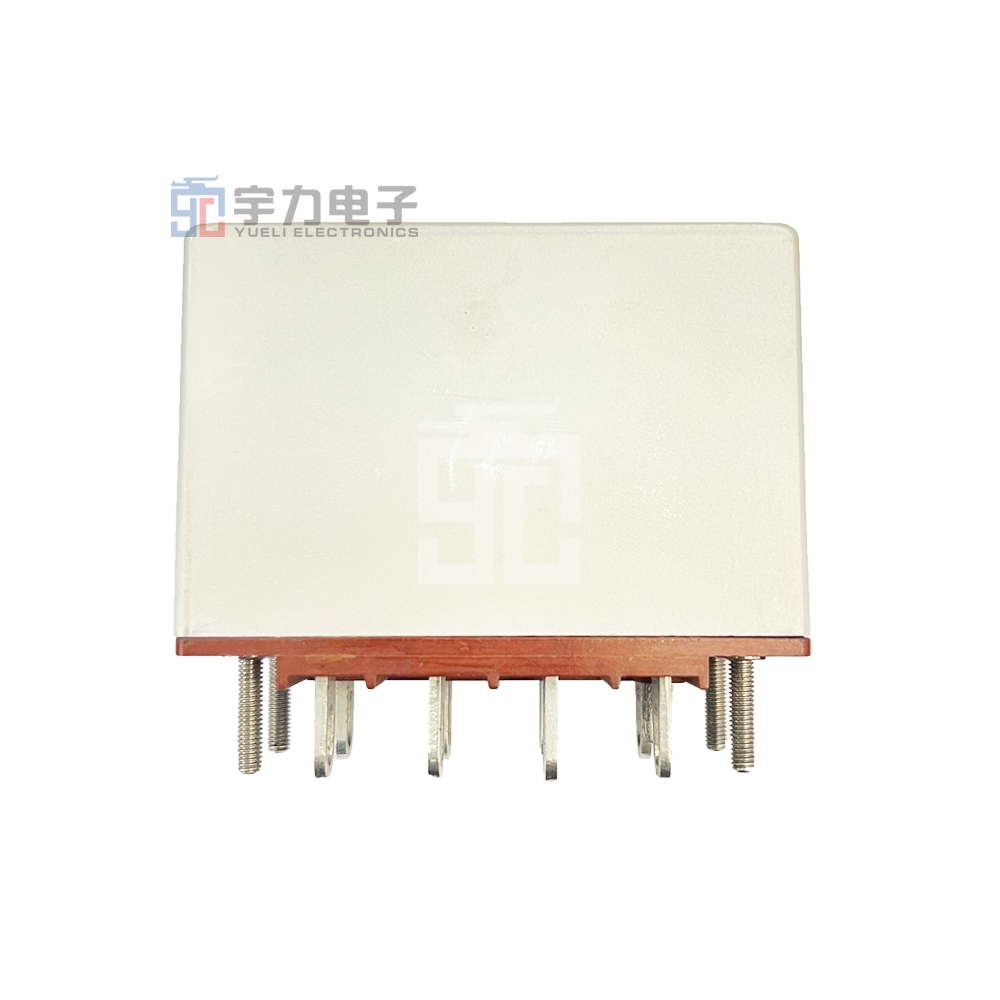
DC contactors are crucial components in various electrical systems, acting as electrically operated switches designed to control high voltage and current circuits. Unlike their AC counterparts, DC contactors are specifically engineered to handle direct current, which presents unique challenges due to the absence of zero-crossing points that help extinguish the arc during switching. Understanding how DC contactors function is fundamental for professionals working in the electronics and electrical engineering sectors.
One of the primary functions of DC contactors is to safely switch on and off the power supply in applications such as electric vehicles, renewable energy systems, and industrial automation. They help manage the flow of electricity, ensuring that devices operate efficiently and safely. When selecting a DC contactor, key factors to consider include the voltage rating, current rating, coil voltage, and the type of load being controlled. Ensuring that the contactor is rated for the specific application is critical to maintaining reliability and performance.
In terms of design, DC contactors often feature a robust construction to withstand the demands of high-current applications. They may utilize materials that reduce wear and tear, as well as technologies such as arc suppression to prolong lifespan and improve operational safety. The choice of materials and design intricacies can significantly impact the overall performance of the contactor. For instance, silver alloy contacts are commonly used to enhance conductivity and reduce contact erosion.
Additionally, DC contactors can come in various configurations, such as single-pole, double-pole, or multi-pole designs, depending on the specific needs of the application. Professionals must evaluate the requirements of their systems to choose the appropriate configuration that ensures optimal performance and safety.
Another important consideration when working with DC contactors is heat dissipation. Due to the continuous current flow, DC contactors can generate substantial heat, which can affect their operation if not properly managed. Implementing adequate cooling strategies or selecting contactors with built-in thermal management features can help mitigate this issue.
In conclusion, DC contactors play a vital role in modern electrical systems, especially in applications that utilize direct current. For professionals in the electronics industry, having a thorough understanding of their functionality, design considerations, and selection criteria is essential for ensuring efficient and safe operations in various applications. By keeping these factors in mind, you can enhance the reliability and performance of your electrical systems.
One of the primary functions of DC contactors is to safely switch on and off the power supply in applications such as electric vehicles, renewable energy systems, and industrial automation. They help manage the flow of electricity, ensuring that devices operate efficiently and safely. When selecting a DC contactor, key factors to consider include the voltage rating, current rating, coil voltage, and the type of load being controlled. Ensuring that the contactor is rated for the specific application is critical to maintaining reliability and performance.
In terms of design, DC contactors often feature a robust construction to withstand the demands of high-current applications. They may utilize materials that reduce wear and tear, as well as technologies such as arc suppression to prolong lifespan and improve operational safety. The choice of materials and design intricacies can significantly impact the overall performance of the contactor. For instance, silver alloy contacts are commonly used to enhance conductivity and reduce contact erosion.
Additionally, DC contactors can come in various configurations, such as single-pole, double-pole, or multi-pole designs, depending on the specific needs of the application. Professionals must evaluate the requirements of their systems to choose the appropriate configuration that ensures optimal performance and safety.
Another important consideration when working with DC contactors is heat dissipation. Due to the continuous current flow, DC contactors can generate substantial heat, which can affect their operation if not properly managed. Implementing adequate cooling strategies or selecting contactors with built-in thermal management features can help mitigate this issue.
In conclusion, DC contactors play a vital role in modern electrical systems, especially in applications that utilize direct current. For professionals in the electronics industry, having a thorough understanding of their functionality, design considerations, and selection criteria is essential for ensuring efficient and safe operations in various applications. By keeping these factors in mind, you can enhance the reliability and performance of your electrical systems.
Xi'an Yuli Electronic Technology Co., Ltd.
Whats App:+8618122061211

Message consultation
Note: Please leave your contact information and our professionals will contact you as soon as possible!