Welcome to the official website of Xi'an Yuli Electronic Technology Co., Ltd.


Electromagnetic Relays vs. Solid State Relays: Which is Better for Your Applications?
2026-02-09
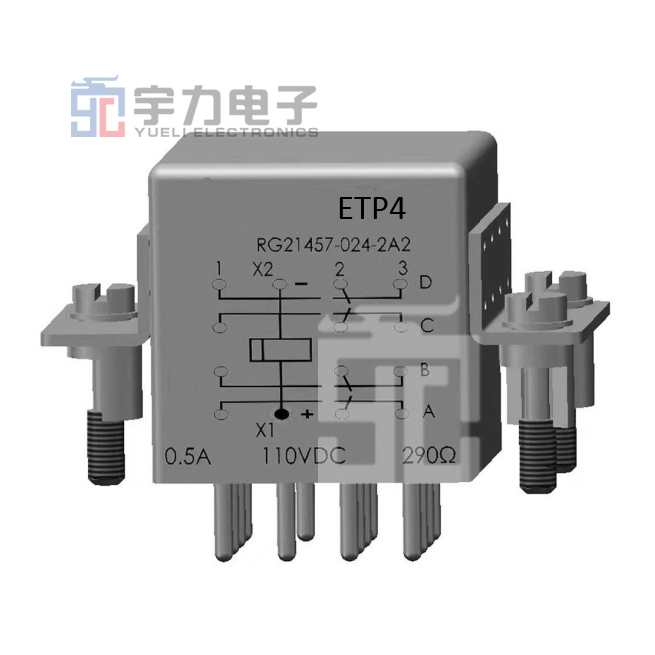
Electromagnetic Relays vs. Solid State Relays: Which is Better for Your Applications?
Table of Contents
1. Introduction to Relays
2. Understanding Electromagnetic Relays
2.1 Working Principle of Electromagnetic Relays
2.2 Advantages of Electromagnetic Relays
2.3 Disadvantages of Electromagnetic Relays
3. Exploring Solid State Relays
3.1 Working Principle of Solid State Relays
3.2 Advantages of Solid State Relays
3.3 Disadvantages of Solid State Relays
4. Key Differences Between Electromagnetic and Solid State Relays
4.1 Performance Metrics
4.2 Lifespan and Durability
4.3 Cost Considerations
5. Applications of Electromagnetic and Solid State Relays
5.1 When to Use Electromagnetic Relays
5.2 When to Use Solid State Relays
6. Conclusion: Choosing the Right Relay for Your Needs
7. FAQs About Relays
1. Introduction to Relays
Relays are crucial components in various electrical and electronic systems, serving as switches that control the flow of current. Their primary function is to open or close circuits, allowing for the automation of processes and the protection of sensitive equipment. In this article, we will compare **Electromagnetic Relays** with **Solid State Relays**, examining their fundamental differences, benefits, disadvantages, and optimal application scenarios.
2. Understanding Electromagnetic Relays
Electromagnetic relays are among the most traditional relay types, utilizing electromagnetic induction to operate. They consist of a coil, an armature, and contacts, which together allow for the switching of electrical circuits.
2.1 Working Principle of Electromagnetic Relays
When an electric current passes through the coil of an electromagnetic relay, it generates a magnetic field. This magnetic field attracts the armature, moving it towards the coil and closing the contacts to complete the circuit. Conversely, when the current ceases, the armature returns to its original position, opening the contacts and breaking the circuit.
2.2 Advantages of Electromagnetic Relays
Electromagnetic relays come with several benefits, including:
- **Cost-Effectiveness**: They are generally less expensive than solid state relays, making them a popular choice for budget-sensitive projects.
- **High Voltage and Current Ratings**: Electromagnetic relays can handle larger loads, making them suitable for heavy-duty applications.
- **Simplicity**: Their straightforward design makes them easy to understand and integrate into various systems.
2.3 Disadvantages of Electromagnetic Relays
Despite their advantages, electromagnetic relays do have drawbacks:
- **Mechanical Wear**: The moving parts can wear out over time, leading to reduced reliability and shorter lifespan.
- **Slower Switching Speed**: Electromagnetic relays typically have slower response times compared to solid state relays.
- **Noise**: The mechanical operation of these relays can generate audible clicking sounds that may be undesirable in certain applications.
3. Exploring Solid State Relays
Solid State Relays (SSRs) represent a more modern approach to relay technology, utilizing semiconductor devices to switch circuits without any moving parts.
3.1 Working Principle of Solid State Relays
Solid State Relays operate through the use of optical isolation and semiconductor technology. When a control signal is applied, it activates a light-emitting diode (LED) that triggers a phototransistor, allowing current to flow through the output without any mechanical movement.
3.2 Advantages of Solid State Relays
SSRs offer several distinct advantages:
- **No Mechanical Parts**: This results in a longer lifespan and higher reliability since there are no components subject to wear and tear.
- **Faster Switching Times**: Solid state relays can switch on and off almost instantaneously, making them ideal for high-speed applications.
- **Reduced Electromagnetic Interference**: The absence of mechanical movements leads to lower electromagnetic interference (EMI), which can be critical in sensitive electronic environments.
3.3 Disadvantages of Solid State Relays
However, solid state relays are not without their downsides:
- **Higher Cost**: Typically, they tend to be more expensive than their electromagnetic counterparts.
- **Limited Voltage and Current Ratings**: While they are suitable for many applications, they may not handle as much load as electromagnetic relays in certain high-power scenarios.
- **Heat Dissipation**: SSRs can generate heat during operation, and adequate heat management strategies must be integrated into their design.
4. Key Differences Between Electromagnetic and Solid State Relays
When selecting a relay for your application, understanding the differences is crucial.
4.1 Performance Metrics
Electromagnetic relays generally excel in applications requiring heavy load handling, while solid state relays are preferred for fast switching and long-term reliability.
4.2 Lifespan and Durability
Electromagnetic relays have a limited lifespan due to mechanical wear. In contrast, solid state relays, with their lack of moving parts, offer much higher longevity.
4.3 Cost Considerations
The initial cost of electromagnetic relays is lower, making them attractive for projects with tight budgets. However, the long-term durability and performance of solid state relays can justify their higher price.
5. Applications of Electromagnetic and Solid State Relays
Understanding when to use each type of relay can significantly impact the efficacy of your projects.
5.1 When to Use Electromagnetic Relays
Electromagnetic relays are best suited for applications requiring high voltage and current handling, such as in power distribution systems or industrial machinery.
5.2 When to Use Solid State Relays
Solid state relays are ideal for applications where speed is critical, such as in automation systems, computer control circuits, and environments sensitive to noise.
6. Conclusion: Choosing the Right Relay for Your Needs
In summary, both electromagnetic relays and solid state relays serve vital roles in modern electrical systems. The choice between the two ultimately boils down to your specific application needs, budget constraints, and performance requirements. By understanding the advantages and disadvantages of each type, you can make a well-informed decision that optimally fits your situation.
7. FAQs About Relays
What is the main difference between electromagnetic relays and solid state relays?
The primary difference lies in their operating mechanism; electromagnetic relays use mechanical movement to switch circuits, while solid state relays use semiconductor devices for switching without moving parts.
Are solid state relays more reliable than electromagnetic relays?
Yes, solid state relays tend to be more reliable due to their lack of mechanical components, which minimizes wear and increases lifespan.
Which relay type is better for high-power applications?
Electromagnetic relays are typically better for high-power applications, as they can handle larger currents and voltages.
Can solid state relays operate in noisy environments?
Yes, solid state relays generate less electromagnetic interference and are suitable for sensitive electronic environments.
What factors should I consider when choosing a relay?
Consider the application requirements, load specifications, switching speed, budget, and environmental conditions when selecting a relay for your project.
This comprehensive guide should provide you with the insights needed to make an informed choice between electromagnetic and solid state relays, ensuring that you select the most appropriate technology for your application.
Xi'an Yuli Electronic Technology Co., Ltd.
Whats App:+8618122061211

Message consultation
Note: Please leave your contact information and our professionals will contact you as soon as possible!