Welcome to the official website of Xi'an Yuli Electronic Technology Co., Ltd.


Understanding High Power Relays: Key Insights for Professionals in Electronics
2026-02-10
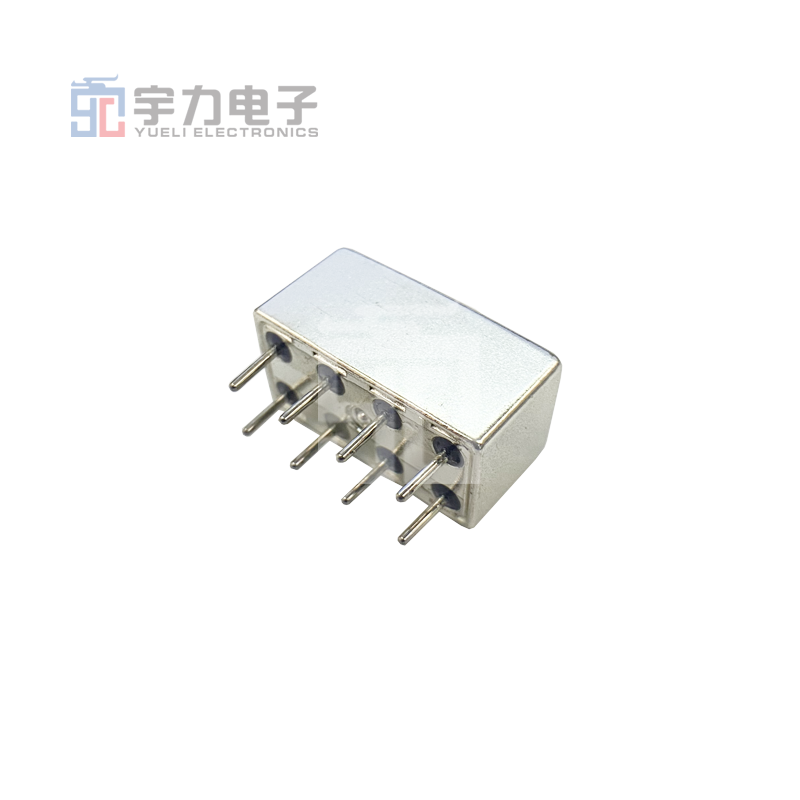
High power relays are critical components in the realm of electronics, offering reliable control over high voltage and high current systems. These devices function as electrically operated switches, allowing a small control signal to manage larger loads. Understanding the characteristics and applications of high power relays is essential for engineers and professionals in the electronics field.
One of the primary functions of high power relays is to isolate different sections of a circuit while providing a means to control high power devices. This isolation is crucial for protecting sensitive components and ensuring operational safety in applications ranging from industrial automation to renewable energy systems. High power relays are often used in electric vehicles, power distribution systems, and industrial machinery, making them indispensable in modern electronics.
When selecting a high power relay, several factors must be considered to ensure optimal performance. Key specifications include the relay's current and voltage ratings, which must align with the application's requirements. Additionally, professionals should evaluate the relay's contact configuration, which can vary from single-pole to multi-pole arrangements, depending on the complexity of the circuit. Another critical consideration is the relay's switching speed; high power relays typically offer varying speeds, which are essential for applications requiring rapid actuation.
Moreover, the environmental conditions in which the relay will operate can greatly influence its performance. Factors such as temperature, humidity, and the presence of corrosive elements must be taken into account. High power relays are available with various insulation materials and enclosures, ensuring they are suitable for different operating environments.
Another important aspect to consider is the relay's lifespan and reliability. High power relays must endure numerous switching cycles without failure, making their durability a vital factor in applications where maintenance access is challenging. To enhance reliability, look for relays with features such as arc suppression and built-in protection circuits to mitigate the risk of contact welding.
In conclusion, high power relays serve as integral components in the control of high voltage and high current applications within the electronics industry. Understanding their functionality, specifications, and selection criteria empowers professionals to make informed decisions, ultimately leading to improved system performance and reliability. By considering the application demands and environmental factors, you can ensure the highest standards of efficiency and safety in your designs.
One of the primary functions of high power relays is to isolate different sections of a circuit while providing a means to control high power devices. This isolation is crucial for protecting sensitive components and ensuring operational safety in applications ranging from industrial automation to renewable energy systems. High power relays are often used in electric vehicles, power distribution systems, and industrial machinery, making them indispensable in modern electronics.
When selecting a high power relay, several factors must be considered to ensure optimal performance. Key specifications include the relay's current and voltage ratings, which must align with the application's requirements. Additionally, professionals should evaluate the relay's contact configuration, which can vary from single-pole to multi-pole arrangements, depending on the complexity of the circuit. Another critical consideration is the relay's switching speed; high power relays typically offer varying speeds, which are essential for applications requiring rapid actuation.
Moreover, the environmental conditions in which the relay will operate can greatly influence its performance. Factors such as temperature, humidity, and the presence of corrosive elements must be taken into account. High power relays are available with various insulation materials and enclosures, ensuring they are suitable for different operating environments.
Another important aspect to consider is the relay's lifespan and reliability. High power relays must endure numerous switching cycles without failure, making their durability a vital factor in applications where maintenance access is challenging. To enhance reliability, look for relays with features such as arc suppression and built-in protection circuits to mitigate the risk of contact welding.
In conclusion, high power relays serve as integral components in the control of high voltage and high current applications within the electronics industry. Understanding their functionality, specifications, and selection criteria empowers professionals to make informed decisions, ultimately leading to improved system performance and reliability. By considering the application demands and environmental factors, you can ensure the highest standards of efficiency and safety in your designs.
Xi'an Yuli Electronic Technology Co., Ltd.
Whats App:+8618122061211

Message consultation
Note: Please leave your contact information and our professionals will contact you as soon as possible!