Welcome to the official website of Xi'an Yuli Electronic Technology Co., Ltd.


Three Phase Relay Types: Which One is Right for Your Project?
2026-02-13
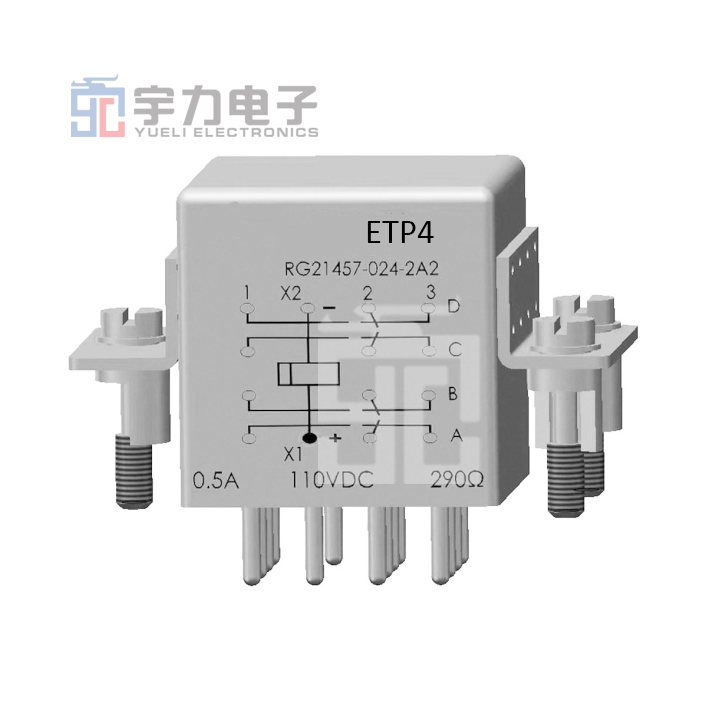
Understanding Three Phase Relay Types: Which One is Right for Your Project?
Three-phase relays play a crucial role in electrical systems, providing protection, control, and monitoring across various applications. Selecting the right type of three-phase relay for your project can significantly impact the efficiency and safety of your electrical systems. In this detailed guide, we will explore the different types of three-phase relays, their applications, and how to choose the ideal one for your project.
Table of Contents
1. What is a Three Phase Relay?
2. Key Applications of Three Phase Relays
3. Types of Three Phase Relays
3.1 Electromechanical Relays
3.2 Solid State Relays
3.3 Time Delay Relays
3.4 Overload Relays
4. Factors to Consider When Choosing a Three Phase Relay
5. Installation and Maintenance Tips
6. Frequently Asked Questions
7. Conclusion
1. What is a Three Phase Relay?
A three-phase relay is an electrically operated switch designed to monitor and control three-phase electrical systems. These relays can detect faults such as overcurrent, undercurrent, phase failure, and phase imbalance, ensuring the protection and reliability of electrical equipment. With a robust design and varying functionalities, three-phase relays are essential in industrial, commercial, and residential applications.
2. Key Applications of Three Phase Relays
Three-phase relays are used in numerous settings, including:
- **Motor Protection:** Protecting three-phase motors from overcurrent, phase failure, and thermal overload.
- **Load Shedding:** Monitoring and controlling power distribution to prevent overloads in electrical systems.
- **Generator Control:** Ensuring safe operation and protection for three-phase generators and alternators.
- **Transformer Protection:** Safeguarding transformers from faults and ensuring optimal performance.
- **Industrial Automation:** Facilitating control over various processes in manufacturing and production lines.
Understanding these applications can help you select the right type of relay for your specific project requirements.
3. Types of Three Phase Relays
When exploring three-phase relays, it is essential to understand the different types available, each designed for specific applications and functions.
3.1 Electromechanical Relays
Electromechanical relays consist of mechanical moving parts and are activated by an electromagnetic coil. These relays are known for their reliability and robustness, making them suitable for various applications. They can handle significant loads and provide excellent isolation between control and load circuits.
3.2 Solid State Relays
Solid state relays (SSRs) use semiconductor devices instead of moving parts to switch electrical loads. They offer advantages such as faster switching times, longer lifespan, and reduced electromagnetic interference. SSRs are ideal for applications requiring high-speed switching and minimal wear and tear.
3.3 Time Delay Relays
Time delay relays delay the activation of a relay circuit for a predetermined time. This feature is beneficial in applications where a certain delay is needed before switching occurs, such as in motor startups or sequential operations. These relays can be configured for various time intervals, enhancing flexibility in control systems.
3.4 Overload Relays
Overload relays are designed to protect motors from excessive current that could lead to overheating and potential failure. These relays monitor the current flowing through the motor and disconnect the power supply if it exceeds preset limits. This protective mechanism is crucial in maintaining motor health and longevity.
4. Factors to Consider When Choosing a Three Phase Relay
Selecting the right three-phase relay requires consideration of several factors:
- **Load Type:** Determine whether the load is resistive, inductive, or capacitive, as this affects relay selection.
- **Current Rating:** Ensure the relay’s current rating matches or exceeds the maximum load current.
- **Voltage Rating:** Confirm that the relay can handle the voltage levels of your electrical system.
- **Environment:** Consider the operating environment, including temperature, humidity, and potential exposure to dust or corrosive substances.
- **Relay Type:** Choose between electromechanical and solid-state relays based on the specific requirements of your application.
By carefully evaluating these factors, you can ensure that the selected relay meets the demands of your project.
5. Installation and Maintenance Tips
Proper installation and maintenance are critical for the reliable operation of three-phase relays. Here are some tips:
- **Follow Manufacturer Guidelines:** Always adhere to the installation instructions provided by the manufacturer to avoid potential issues.
- **Check Connections:** Ensure all wiring connections are secure and free from corrosion, as loose or corroded connections can lead to relay failure.
- **Regular Testing:** Conduct routine tests to verify the functionality of the relay. This includes testing the trip settings and monitoring for any signs of wear.
- **Environmental Protection:** If the relay is installed in a harsh environment, consider using protective enclosures to shield it from dust, moisture, and other contaminants.
Maintaining your three-phase relay can extend its lifespan and ensure optimal performance in your electrical systems.
6. Frequently Asked Questions
6.1 What is the primary function of a three-phase relay?
The primary function of a three-phase relay is to monitor electrical systems for faults and control the operation of connected equipment, ensuring safety and efficiency.
6.2 How do I know which type of relay to choose for my project?
Consider factors such as load type, current and voltage ratings, environmental conditions, and specific application requirements to determine the most suitable relay type.
6.3 Can I use a single-phase relay for a three-phase system?
Using a single-phase relay on a three-phase system is not recommended, as it won’t provide the necessary protection and monitoring capabilities for all three phases.
6.4 How often should I test my three-phase relay?
Regular testing should be conducted at least once a year, but more frequent checks may be necessary depending on the criticality of the application and environmental factors.
6.5 What are the signs that my three-phase relay may be malfunctioning?
Common signs of malfunction include inconsistent operation, failure to trip during faults, and visible physical damage. Regular inspection can help identify these issues early.
7. Conclusion
Choosing the right three-phase relay for your project is essential for ensuring the reliability and efficiency of your electrical systems. With various types available—each suited to specific applications—having a comprehensive understanding of their functions and features will help you make an informed decision. By considering key factors such as load type, environmental conditions, and specific application requirements, you can select a three-phase relay that meets your project’s demands. Regular maintenance and testing will further enhance the longevity and performance of your relay, providing peace of mind as you navigate your electrical projects.
Xi'an Yuli Electronic Technology Co., Ltd.
Whats App:+8618122061211

Message consultation
Note: Please leave your contact information and our professionals will contact you as soon as possible!