Welcome to the official website of Xi'an Yuli Electronic Technology Co., Ltd.


Understanding DC Contactors: Key Insights for Electronics Professionals
2026-02-18
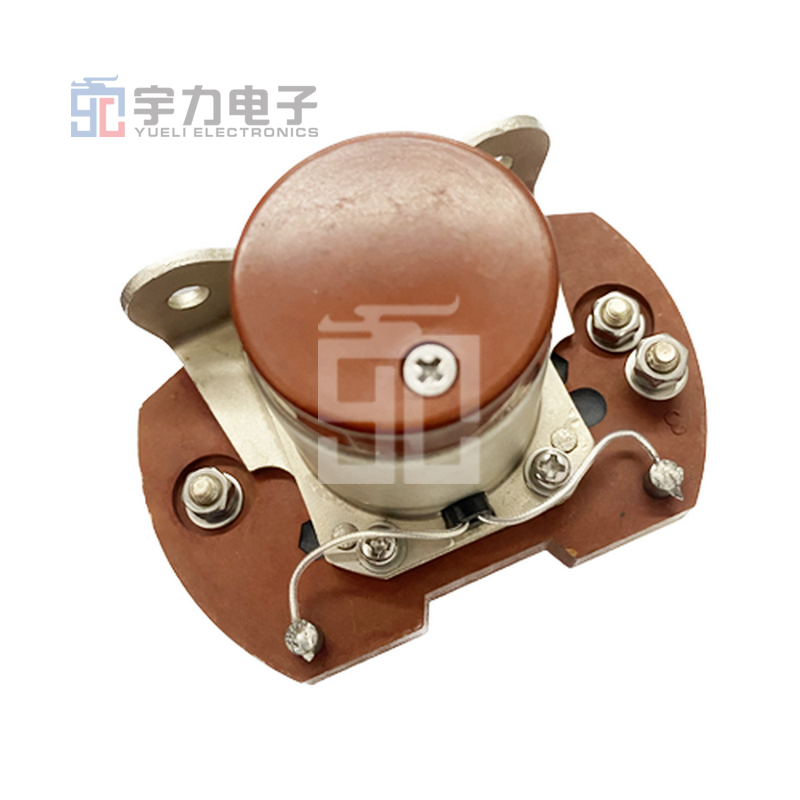
DC contactors are critical components in various electronic and electrical systems, specifically designed to manage the switching of direct current (DC) loads. Unlike their AC counterparts, DC contactors operate in a different electrical environment that requires unique considerations in design and functionality.
One of the primary functions of a DC contactor is to open or close a circuit in response to an external signal. This functionality is crucial in applications like electric vehicles, renewable energy systems, and industrial automation, where managing DC power is essential. The design of a DC contactor typically includes an electromagnetic coil, a set of contacts, and an enclosure that provides protection against environmental factors.
A key characteristic of DC contactors is their ability to handle arcing during the switching process. When the contacts open or close, electrical arcing can occur due to the high inductance of DC circuits. To mitigate this, DC contactors often feature specialized contacts designed to withstand and extinguish arcs effectively. This design consideration not only prolongs the lifespan of the contactor but also enhances safety and reliability in applications where DC switching is frequent.
In addition to their functionality, the selection of the appropriate DC contactor involves understanding the operational parameters like voltage, current rating, and coil voltage. These factors determine the contactor’s efficiency and suitability for a specific application. It's also essential to consider the mounting configuration and the ambient temperature range, as these will affect the performance and longevity of the device.
Furthermore, DC contactors can be integrated with control circuits for automation purposes. This integration allows for remote control capabilities, which is particularly advantageous in modern electronic systems that prioritize efficiency and convenience. The ability to control DC loads remotely can facilitate smarter energy management and reduce operational costs in various industries.
When selecting a DC contactor, it is advisable to conduct a thorough analysis of your application requirements and consult with technical experts if necessary. Understanding the nuances of DC contactors will empower you to choose the right component, ensuring both functionality and safety in your electronic projects.
In summary, DC contactors play a vital role in the management of direct current loads across multiple applications. By understanding their design, operation, and selection criteria, electronics professionals can leverage the capabilities of DC contactors to enhance their systems' performance and reliability.
One of the primary functions of a DC contactor is to open or close a circuit in response to an external signal. This functionality is crucial in applications like electric vehicles, renewable energy systems, and industrial automation, where managing DC power is essential. The design of a DC contactor typically includes an electromagnetic coil, a set of contacts, and an enclosure that provides protection against environmental factors.
A key characteristic of DC contactors is their ability to handle arcing during the switching process. When the contacts open or close, electrical arcing can occur due to the high inductance of DC circuits. To mitigate this, DC contactors often feature specialized contacts designed to withstand and extinguish arcs effectively. This design consideration not only prolongs the lifespan of the contactor but also enhances safety and reliability in applications where DC switching is frequent.
In addition to their functionality, the selection of the appropriate DC contactor involves understanding the operational parameters like voltage, current rating, and coil voltage. These factors determine the contactor’s efficiency and suitability for a specific application. It's also essential to consider the mounting configuration and the ambient temperature range, as these will affect the performance and longevity of the device.
Furthermore, DC contactors can be integrated with control circuits for automation purposes. This integration allows for remote control capabilities, which is particularly advantageous in modern electronic systems that prioritize efficiency and convenience. The ability to control DC loads remotely can facilitate smarter energy management and reduce operational costs in various industries.
When selecting a DC contactor, it is advisable to conduct a thorough analysis of your application requirements and consult with technical experts if necessary. Understanding the nuances of DC contactors will empower you to choose the right component, ensuring both functionality and safety in your electronic projects.
In summary, DC contactors play a vital role in the management of direct current loads across multiple applications. By understanding their design, operation, and selection criteria, electronics professionals can leverage the capabilities of DC contactors to enhance their systems' performance and reliability.
Xi'an Yuli Electronic Technology Co., Ltd.
Whats App:+8618122061211

Message consultation
Note: Please leave your contact information and our professionals will contact you as soon as possible!