Welcome to the official website of Xi'an Yuli Electronic Technology Co., Ltd.


Three Phase Contactors: Essential Components of Power Distribution
2026-02-19
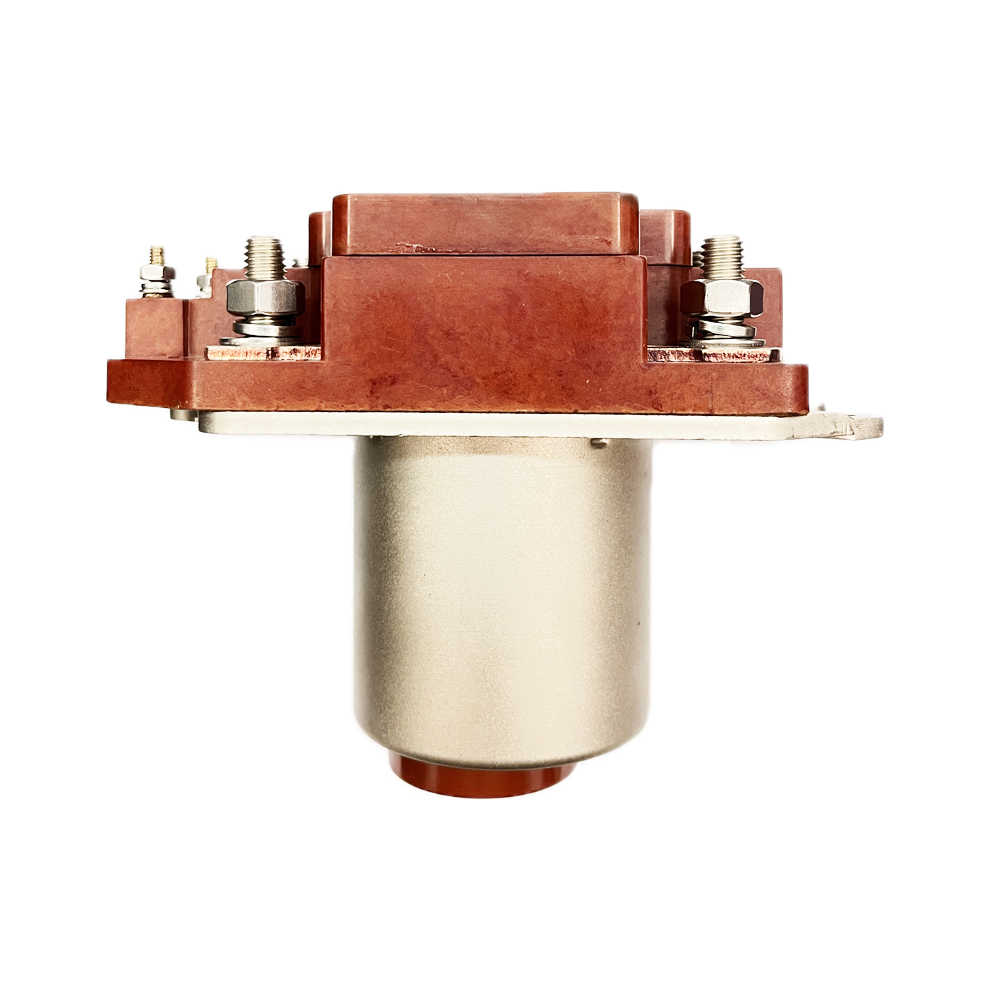
Three Phase Contactors: Essential Components of Power Distribution
Table of Contents
- 1. Introduction to Three Phase Contactors
- 2. What is a Contactor?
- 3. The Role of Three Phase Contactors in Power Distribution
- 4. Types of Three Phase Contactors
- 5. Key Features of Three Phase Contactors
- 6. Applications of Three Phase Contactors in Industry
- 7. Advantages of Using Three Phase Contactors
- 8. Maintenance and Safety Tips for Three Phase Contactors
- 9. Frequently Asked Questions
- 10. Conclusion
1. Introduction to Three Phase Contactors
In today's modern industrial landscape, **three phase contactors** stand as pivotal components of power distribution systems. These devices not only enable the control of electrical motors and equipment but also enhance the reliability and efficiency of power management. Understanding their function and significance is essential for engineers, technicians, and anyone involved in electrical systems. In this article, we will explore the intricacies of three phase contactors, ranging from their types to their applications and maintenance practices.
2. What is a Contactor?
A **contactor** is an electrically-controlled switch used for switching an electrical power circuit. It is designed to be operated by a relatively low-power signal, allowing it to control larger loads without the need for direct human intervention. Unlike traditional relays, contactors are built to handle higher current ratings, making them ideal for controlling three phase systems.
3. The Role of Three Phase Contactors in Power Distribution
Three phase contactors play a critical role in the operation and management of three phase electrical systems. They provide a reliable means to start and stop motors and other high-power devices, ensuring that electrical loads are managed safely and efficiently.
One of the primary roles of three phase contactors is to isolate and connect loads to the power supply. This is crucial in preventing overloads and short circuits, which can lead to significant damage or even catastrophic failure. By utilizing three phase contactors, operators can ensure smooth transitions in power distribution, reducing downtime and enhancing productivity.
4. Types of Three Phase Contactors
Three phase contactors can be classified into two main types: **electromechanical contactors** and **solid-state contactors**.
4.1 Electromechanical Contactors
**Electromechanical contactors** are the most common type found in various industrial applications. They utilize electromagnetic coils to create a magnetic field, which pulls a movable contact towards a fixed contact, allowing current to flow through the circuit. These contactors are robust, easy to maintain, and capable of handling high inrush currents, making them suitable for various applications.
4.2 Solid State Contactors
**Solid state contactors (SSCs)**, on the other hand, use semiconductor devices to switch the electrical circuit. They provide faster switching times and greater durability as they have no moving parts, which minimizes wear and tear. SSCs are ideal for applications that require quick on/off cycles and where silent operation is preferred.
5. Key Features of Three Phase Contactors
Understanding the features of three phase contactors is crucial for their effective implementation. Some of the key features include:
- **Current Rating:** Three phase contactors come with various current ratings to accommodate different load requirements. Selecting a contactor with an appropriate rating ensures reliable operation without overheating or failure.
- **Coil Voltage:** The coil voltage determines the control signal needed to activate the contactor. It's essential to choose a contactor with a coil voltage compatible with your control system.
- **Auxiliary Contacts:** Many contactors come with auxiliary contacts, which allow for additional control circuits and feedback mechanisms, enhancing the system's functionality.
- **Overload Protection:** Integrated overload protection can prevent damage to motors and other equipment by interrupting the current flow during overload conditions.
6. Applications of Three Phase Contactors in Industry
Three phase contactors are widely used in various industrial applications. Some common uses include:
- **Motor Control:** They are extensively used for starting, stopping, and reversing three phase motors in manufacturing and processing facilities.
- **Lighting Control:** In large industrial and commercial spaces, three phase contactors control lighting systems, enabling efficient energy management.
- **Heating Applications:** They are utilized in electric heating systems to regulate temperature and ensure safety.
- **HVAC Systems:** Three phase contactors play a critical role in managing the operation of heating, ventilation, and air conditioning systems.
7. Advantages of Using Three Phase Contactors
Utilizing three phase contactors in electrical systems offers several advantages:
- **Increased Efficiency:** They enable efficient power management, reducing energy waste and operating costs.
- **Reliability:** With their robust design, three phase contactors provide reliable performance, minimizing the risk of system failures.
- **Safety Features:** Many contactors come with built-in safety features that protect against overloads and electrical faults, ensuring a safer working environment.
- **Versatility:** They can be used in a wide range of applications, making them suitable for various industries and processes.
8. Maintenance and Safety Tips for Three Phase Contactors
Regular maintenance is essential to ensure the longevity and reliability of three phase contactors. Here are some tips to consider:
- **Routine Inspections:** Perform regular inspections of contactors for signs of wear, overheating, or damage. Look for any loose connections or corrosion.
- **Cleaning:** Dust and debris can accumulate over time, affecting the contactor's performance. Regularly clean the contactor and surrounding area to prevent malfunctions.
- **Testing:** Periodically test the contactor's operation to ensure it functions correctly. This can include checking coil voltages and measuring contact resistance.
- **Follow Manufacturer Guidelines:** Always adhere to the manufacturer's maintenance recommendations and safety protocols to prevent accidents.
9. Frequently Asked Questions
1. What is the primary function of a three phase contactor?
The primary function of a three phase contactor is to control and manage electrical loads in three phase systems, allowing for efficient starting and stopping of motors and other equipment.
2. How do I select the right three phase contactor for my application?
When selecting a three phase contactor, consider factors such as current rating, coil voltage, load type, and any specific application requirements.
3. Are solid state contactors better than electromechanical contactors?
Solid state contactors offer faster switching times and greater durability, while electromechanical contactors are more robust and easier to maintain. The choice depends on the specific application.
4. Can three phase contactors be used in residential applications?
While three phase contactors are primarily used in industrial settings, they can also be utilized in residential applications with three phase power, such as in large homes or specialized systems.
5. What safety precautions should be taken when working with three phase contactors?
Always disconnect power before performing maintenance, use appropriate personal protective equipment (PPE), and follow the manufacturer's safety guidelines to prevent electrical hazards.
10. Conclusion
Three phase contactors are indispensable components in the realm of power distribution, facilitating the efficient management of electrical systems across various industries. By understanding their types, features, and applications, as well as implementing proper maintenance practices, operators can ensure the reliability and safety of their electrical systems. As technology continues to advance, the role of three phase contactors will only become more critical in achieving optimal power management and operational efficiency.
Previous:
Xi'an Yuli Electronic Technology Co., Ltd.
Whats App:+8618122061211

Message consultation
Note: Please leave your contact information and our professionals will contact you as soon as possible!