Welcome to the official website of Xi'an Yuli Electronic Technology Co., Ltd.


The Impact of High Power Contactors on Energy Consumption: A Comprehensive Analysis
2026-02-21
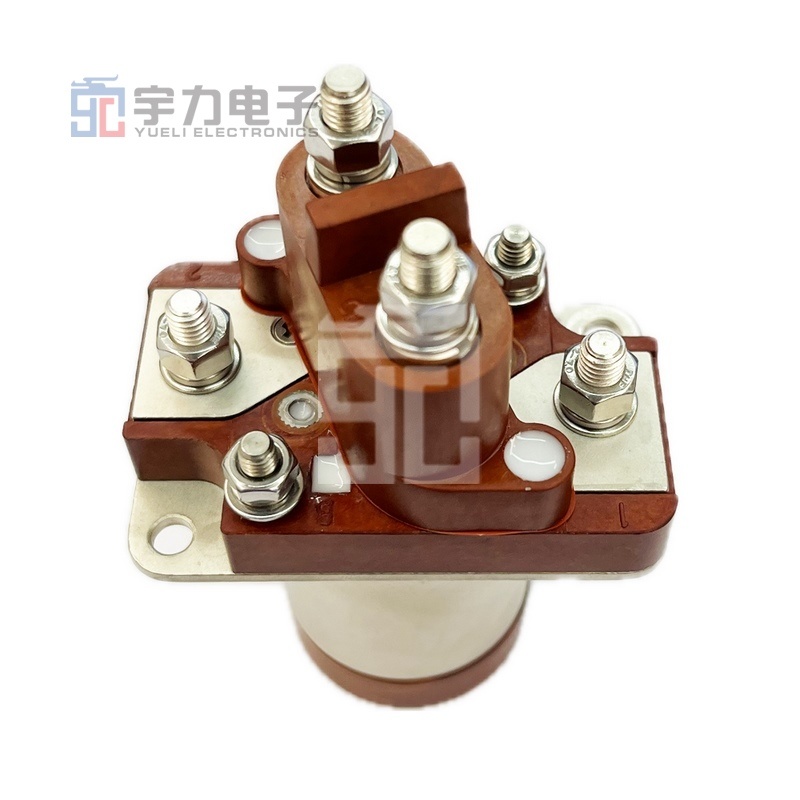
The Impact of High Power Contactors on Energy Consumption
In the realm of electrical engineering and energy management, high power contactors play an indispensable role. These devices are crucial for controlling electrical circuits and managing the flow of electricity in various industrial applications. As industries strive for greater efficiency and reduced energy consumption, understanding the impact of high power contactors on energy consumption has become increasingly important.
Understanding High Power Contactors
High power contactors are electromechanical devices that act as switches to control large currents. They are designed to handle the demands of high-voltage applications and are typically used in environments such as manufacturing plants, power stations, and commercial buildings. The basic operation of a contactor involves a coil that, when energized, creates a magnetic field that closes the contacts and allows current to flow.
Types of High Power Contactors
High power contactors come in various types, each suited for specific applications:
- Electromechanical Contactors: Traditional contactors that use electromagnetic principles to operate.
- Solid State Contactors: Utilize semiconductor devices for switching, offering faster operation and longer life.
- Relay Contactors: Combine relay and contactor functions for more versatile applications.
Key Features of High Power Contactors
The effectiveness of high power contactors is determined by several key features:
- Current Rating: Determines the maximum load the contactor can handle.
- Voltage Rating: Specifies the maximum voltage at which the contactor can operate safely.
- Coil Voltage: The voltage required to energize the coil and operate the contactor.
- Thermal Overload Protection: Safeguards the contactor against overheating due to excessive current flow.
The Role of High Power Contactors in Energy Efficiency
Energy efficiency is a pressing concern in modern industries. High power contactors can significantly contribute to energy savings through their operational efficiency and reliability.
Reducing Energy Losses
One of the primary benefits of using high power contactors is their ability to minimize energy losses. Traditional electromechanical contactors often experience contact wear and arcing, leading to energy wastage. In contrast, solid-state contactors eliminate physical contacts, enabling faster switching and reducing energy loss during operation.
Load Management and Automation
High power contactors are integral to load management systems. By accurately controlling the supply of electricity to various components, these devices help in distributing energy more efficiently. Automated systems that use high power contactors can monitor energy consumption in real-time, adjusting loads as needed to optimize performance.
Reducing Operational Costs with High Power Contactors
Implementing high power contactors not only enhances energy efficiency but also significantly reduces operational costs.
Longevity and Maintenance
Solid-state contactors have a longer lifespan compared to their electromechanical counterparts, reducing the need for frequent replacements. Additionally, the reduced mechanical wear minimizes maintenance requirements, leading to lower overall costs.
Improved System Reliability
High power contactors enhance system reliability by reducing the risk of electrical failures. Reliable operation means fewer interruptions and downtime, contributing to cost savings and improved productivity. These benefits are especially significant in industries where downtime can lead to substantial financial losses.
The Environmental Impact of High Power Contactors
As industries become more environmentally conscious, the role of high power contactors in promoting sustainability cannot be understated.
Supporting Renewable Energy Sources
High power contactors are essential in integrating renewable energy sources, such as solar and wind, into existing grids. They help manage the variable output from these sources, ensuring stability and efficiency in energy distribution.
Reducing Carbon Footprints
By improving energy efficiency, high power contactors contribute to lower carbon emissions. Industries that adopt these technologies can significantly reduce their carbon footprints, aligning with global sustainability goals.
Future Trends in High Power Contactor Technology
As technology continues to advance, high power contactors are evolving to meet the demands of modern industries.
Smart Contactors
The integration of smart technology into high power contactors is a significant trend. Smart contactors can communicate with other devices in an industrial ecosystem, providing valuable data for improved energy management and operational efficiency.
Enhanced Safety Features
Future high power contactors are expected to incorporate advanced safety features such as automated fault detection and remote monitoring capabilities, ensuring safer and more efficient operations.
Frequently Asked Questions (FAQs)
1. What are high power contactors used for?
High power contactors are primarily used to control the flow of electricity in industrial applications, managing large currents and voltages efficiently.
2. How do high power contactors improve energy efficiency?
They reduce energy losses through faster switching and minimal contact wear, and they enable better load management and automation.
3. What are the differences between electromechanical and solid-state contactors?
Electromechanical contactors use physical contacts to switch electricity, while solid-state contactors use semiconductor technology, resulting in faster operation and longer lifespans.
4. Can high power contactors help in reducing operational costs?
Yes, they can lower operational costs by minimizing maintenance needs, enhancing reliability, and reducing downtime.
5. How do high power contactors contribute to sustainability?
They improve energy efficiency, support renewable energy integration, and help reduce carbon emissions, making them an eco-friendly solution.
Conclusion
The impact of high power contactors on energy consumption is profound and multifaceted. By enhancing energy efficiency, reducing operational costs, and supporting sustainability, these devices are essential in modern electrical systems. As technology continues to evolve, the future of high power contactors promises even greater advancements that will further optimize energy consumption and contribute positively to industrial processes. Adopting high power contactors is not merely a technical decision but a strategic move towards a more energy-efficient and sustainable future.
Xi'an Yuli Electronic Technology Co., Ltd.
Whats App:+8618122061211

Message consultation
Note: Please leave your contact information and our professionals will contact you as soon as possible!