Welcome to the official website of Xi'an Yuli Electronic Technology Co., Ltd.


Understanding DC Contactors: Essential Components for Electronic Applications
2026-02-22
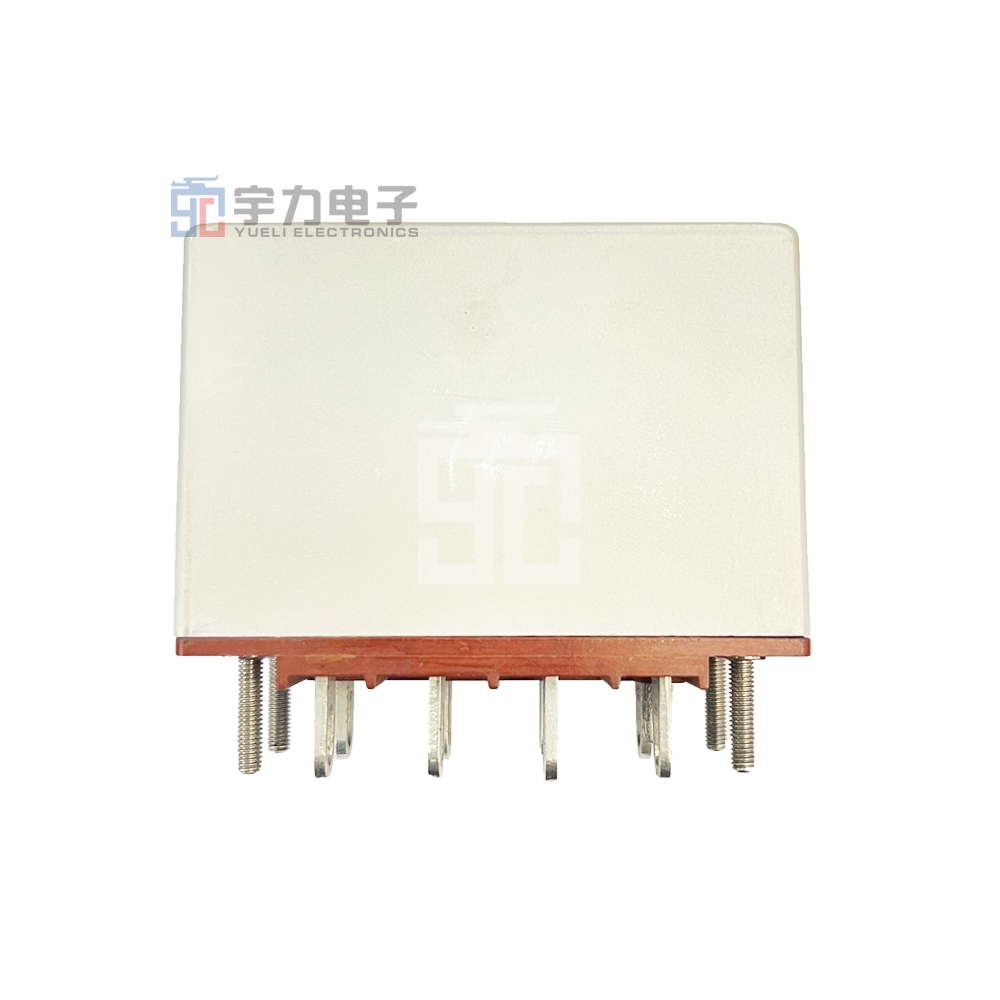
DC contactors are vital components utilized in various electronic applications, particularly for controlling and managing electric currents in direct current (DC) circuits. Their primary function is to act as electrically operated switches, allowing for the automation of electrical systems. By facilitating the opening and closing of circuits with efficiency and reliability, DC contactors play a crucial role in enhancing the performance and safety of electronic devices.
One of the main advantages of DC contactors is their ability to handle significant load currents while minimizing energy loss. These devices are designed to manage high inrush currents during startup, making them ideal for applications such as electric motors, battery management systems, and renewable energy systems, including solar and wind power. Their robust design ensures they can withstand the wear and tear associated with frequent operation, thereby extending the lifespan of both the contactor and the overall system.
In terms of construction, DC contactors typically consist of several key components, including an electromagnet, a set of contacts, and an enclosure. The electromagnet is energized when a control voltage is applied, causing the armature to move and either make or break the connection between the contacts. This mechanism allows for precise control over the flow of electricity, providing users with the ability to manage power distribution effectively.
When selecting a DC contactor for a specific application, several factors must be considered. The rated voltage and current capacity are critical parameters, as they must match the requirements of the circuit to prevent overheating or damage. Additionally, the contact configuration, such as normally open (NO) or normally closed (NC), should align with the intended operational logic of the system. Environmental conditions, such as temperature and humidity, also play a significant role in the performance and durability of the contactor.
It's essential to account for the coil voltage when choosing a DC contactor, as this determines the voltage needed to actuate the electromagnet. A mismatch can lead to inadequate operation or even failure of the device. Furthermore, understanding the requirements for surge protection and noise immunity can enhance the reliability of the contactor within sensitive electronic environments.
Through their reliable operation and versatility, DC contactors are indispensable in modern electronic applications. By understanding their functions, advantages, and key considerations, professionals can make informed decisions that enhance the performance and safety of their electrical systems. Whether for industrial automation, renewable energy systems, or other electronic applications, DC contactors remain a foundational element in effective power management solutions.
One of the main advantages of DC contactors is their ability to handle significant load currents while minimizing energy loss. These devices are designed to manage high inrush currents during startup, making them ideal for applications such as electric motors, battery management systems, and renewable energy systems, including solar and wind power. Their robust design ensures they can withstand the wear and tear associated with frequent operation, thereby extending the lifespan of both the contactor and the overall system.
In terms of construction, DC contactors typically consist of several key components, including an electromagnet, a set of contacts, and an enclosure. The electromagnet is energized when a control voltage is applied, causing the armature to move and either make or break the connection between the contacts. This mechanism allows for precise control over the flow of electricity, providing users with the ability to manage power distribution effectively.
When selecting a DC contactor for a specific application, several factors must be considered. The rated voltage and current capacity are critical parameters, as they must match the requirements of the circuit to prevent overheating or damage. Additionally, the contact configuration, such as normally open (NO) or normally closed (NC), should align with the intended operational logic of the system. Environmental conditions, such as temperature and humidity, also play a significant role in the performance and durability of the contactor.
It's essential to account for the coil voltage when choosing a DC contactor, as this determines the voltage needed to actuate the electromagnet. A mismatch can lead to inadequate operation or even failure of the device. Furthermore, understanding the requirements for surge protection and noise immunity can enhance the reliability of the contactor within sensitive electronic environments.
Through their reliable operation and versatility, DC contactors are indispensable in modern electronic applications. By understanding their functions, advantages, and key considerations, professionals can make informed decisions that enhance the performance and safety of their electrical systems. Whether for industrial automation, renewable energy systems, or other electronic applications, DC contactors remain a foundational element in effective power management solutions.
Previous:
Xi'an Yuli Electronic Technology Co., Ltd.
Whats App:+8618122061211

Message consultation
Note: Please leave your contact information and our professionals will contact you as soon as possible!