Welcome to the official website of Xi'an Yuli Electronic Technology Co., Ltd.


Troubleshooting Common Issues with Electromagnetic Relays: A Comprehensive Guide for Technicians
2026-02-23
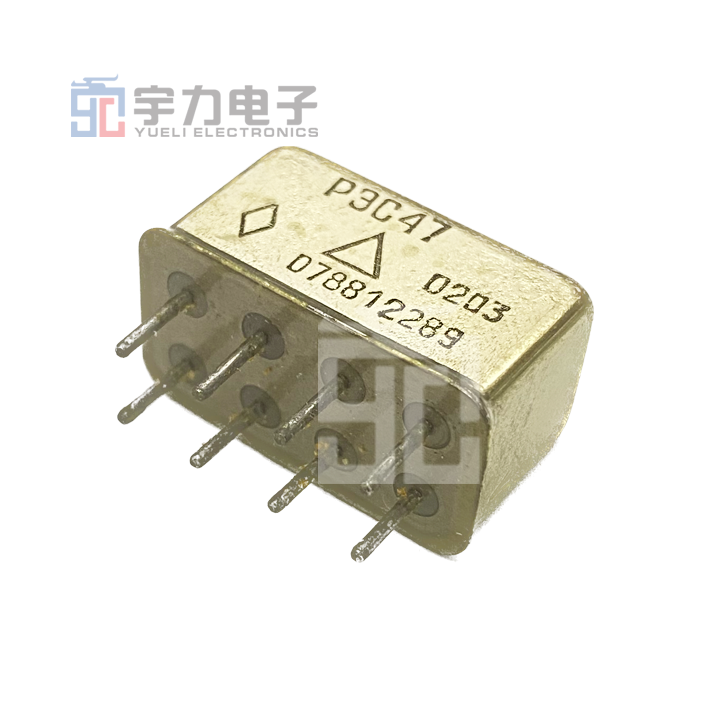
Troubleshooting Common Issues with Electromagnetic Relays
Table of Contents
- Understanding Electromagnetic Relays
- Common Issues with Electromagnetic Relays
- Identifying Electromagnetic Relay Issues
- Troubleshooting Techniques for Relays
- Preventative Maintenance for Electromagnetic Relays
- Replacing and Upgrading Relays
- Real-World Applications of Electromagnetic Relays
- FAQs
Understanding Electromagnetic Relays
Electromagnetic relays are crucial components in various electrical systems, acting as switches that control a circuit's operation. They function by using an electromagnet to mechanically operate a switch, allowing or interrupting current flow in a controlled manner. The key components of an electromagnetic relay include a coil, armature, spring, and contacts, each playing a vital role in the relay's overall functionality.
The significance of electromagnetic relays transcends their basic operation. They provide isolation between control and load circuits, manage high voltage and current loads safely, and facilitate automation in industrial processes. Understanding these fundamentals will empower technicians to troubleshoot effectively when issues arise.
Common Issues with Electromagnetic Relays
While electromagnetic relays are designed to be reliable, they can encounter several common issues, including:
1. Coil Failure
Coil failure is often the most frequent issue experienced with electromagnetic relays. A damaged coil can prevent the relay from activating, leading to system malfunctions. Common causes of coil failure include overheating, electrical shorts, and open circuits.
2. Sticking Contacts
Sticking contacts can occur when electrical arcing or corrosion builds up on the contact surfaces. This issue prevents the relay from opening or closing properly, which can hinder the operation of the connected circuits.
3. Mechanical Wear
Over time, the mechanical components of a relay, such as the armature and spring, may wear down. Mechanical wear can lead to sluggish operation or complete failure to actuate.
4. Inadequate Voltage
Relays are designed to operate at specific voltage levels. Insufficient voltage can lead to improper operation, while excessive voltage can cause overheating and damage.
5. Environmental Factors
Environmental conditions, including humidity, temperature extremes, and dust accumulation, can impact relay performance. Exposure to these elements may result in corrosion or contamination, leading to operational issues.
Identifying Electromagnetic Relay Issues
Effective troubleshooting begins with clearly identifying relay issues. Technicians can perform several diagnostic steps:
1. Visual Inspection
Conduct a thorough visual inspection of the relay and its connections. Look for signs of damage, corrosion, or loose connections that may contribute to performance issues.
2. Testing Coil Resistance
Using a multimeter, measure the coil resistance. An infinite reading indicates an open coil, while a very low resistance may suggest a short-circuit condition.
3. Contact Testing
Test the relay contacts for continuity using a multimeter. Non-continuity or high resistance readings may indicate sticking or damaged contacts.
4. Voltage Measurement
Verify that the relay is receiving the appropriate operating voltage. Measure the voltage at the coil terminals to ensure it meets the relay's specifications.
5. Environmental Assessment
Evaluate the relay’s installation environment. Check for humidity levels, dust accumulation, and temperature extremes that could affect relay operation.
Troubleshooting Techniques for Relays
Once issues are identified, technicians can employ several techniques to resolve them:
1. Coil Replacement
If coil failure is confirmed, replacing the faulty coil is often the best solution. Ensure that the new coil matches the original specifications for proper functionality.
2. Cleaning Contacts
Carefully clean any corroded or sticking contacts using a contact cleaner or fine abrasive material. This can restore proper electrical continuity and operation.
3. Mechanical Adjustment
For mechanical wear issues, adjustments may be made to the armature and spring to ensure smooth operation. In some cases, replacement of worn parts may be necessary.
4. Voltage Stabilization
If inadequate voltage is detected, investigate potential issues within the power supply. Ensure the voltage supply is stable and within specifications.
5. Environmental Protection
To mitigate environmental impacts, consider implementing protective enclosures or improving ventilation in the relay installation area.
Preventative Maintenance for Electromagnetic Relays
Implementing a regular maintenance schedule can help prevent future relay issues:
1. Routine Inspections
Conduct periodic inspections to identify early signs of wear or failure. Regular checks can help catch problems before they escalate.
2. Lubrication
Applying appropriate lubricants to mechanical parts can reduce wear and friction, prolonging the life of the relay.
3. Cleaning Protocols
Establish cleaning protocols to remove dust and debris from relays and their operating environments. Keeping the area clean helps maintain optimal performance.
4. Testing Procedures
Incorporate regular testing of relay functionality to ensure that all components are operating correctly. This can include coil resistance and contact continuity tests.
5. Documentation
Maintain thorough records of all inspections, repairs, and maintenance activities. Documentation helps identify patterns and informs future troubleshooting efforts.
Replacing and Upgrading Relays
When relays reach the end of their operational life or are consistently problematic, replacement may be necessary:
1. Selecting the Right Relay
Choose a replacement relay that meets or exceeds the specifications of the original part. Consider factors such as voltage ratings, current capacity, and contact configuration.
2. Upgrading to Modern Relays
Consider upgrading to more advanced relay technologies, such as solid-state relays, which offer greater reliability and faster switching times.
3. Installation Best Practices
Follow best practices for installation, including proper mounting, wiring, and environmental considerations. This ensures optimal performance and longevity.
4. Testing After Replacement
After installation, conduct thorough testing to verify that the new relay operates correctly within the system. This includes checking voltage levels and overall functionality.
Real-World Applications of Electromagnetic Relays
Electromagnetic relays find applications across various industries, including:
1. Industrial Automation
In manufacturing settings, relays control machinery and processes, ensuring smooth operation and safety.
2. HVAC Systems
Relays play a critical role in HVAC systems, regulating heating and cooling cycles to maintain comfortable environments.
3. Automotive Systems
In vehicles, electromagnetic relays manage functions such as lighting, starter motors, and power windows, contributing to overall vehicle performance.
4. Home Appliances
Electromagnetic relays are utilized in various household appliances, facilitating safe and effective operation of devices such as microwaves, washing machines, and refrigerators.
5. Safety Systems
Many safety systems, including fire alarms and emergency lighting, rely on relays to ensure rapid response in critical situations.
FAQs
1. What is an electromagnetic relay?
Electromagnetic relays are electromechanical switches that use an electromagnet to control the operation of a circuit by opening or closing contacts.
2. How can I tell if my relay is faulty?
Signs of a faulty relay include failure to activate, sticking contacts, or visible damage during inspection.
3. What causes relay contacts to stick?
Contacts can stick due to electrical arcing, corrosion, or mechanical wear, which prevents them from operating smoothly.
4. Can I repair a damaged relay coil?
In most cases, replacing a damaged relay coil is more effective than attempting repairs, as it ensures reliable operation.
5. How often should I perform maintenance on electromagnetic relays?
Regular maintenance should be conducted based on usage and environmental conditions, typically every three to six months, or as recommended by the manufacturer.
Conclusion
Troubleshooting electromagnetic relay issues requires a combination of knowledge, skill, and attention to detail. By understanding common problems, employing effective diagnostic techniques, and implementing preventative maintenance, technicians can enhance the performance and longevity of these essential components. Whether in industrial automation, HVAC systems, or automotive applications, mastering relay troubleshooting will ultimately contribute to more reliable and efficient system operations.
Previous:
Xi'an Yuli Electronic Technology Co., Ltd.
Whats App:+8618122061211

Message consultation
Note: Please leave your contact information and our professionals will contact you as soon as possible!