Welcome to the official website of Xi'an Yuli Electronic Technology Co., Ltd.


Understanding High Power Relays: Essential Components for Reliable Electrical Applications
2026-02-24
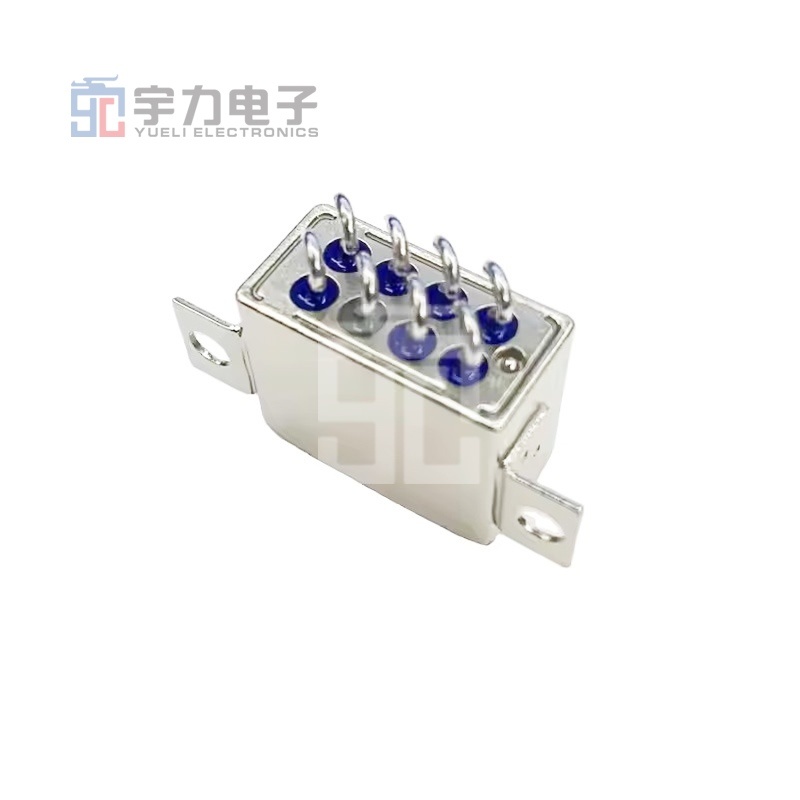
High power relays are critical components in the realm of electronic devices, especially in applications that require the management of high electrical loads. These relays are designed to control large amounts of current and voltage while ensuring reliability and safety. Typically, high power relays are utilized in industrial machinery, automotive systems, and renewable energy applications, where they serve as switches for heavy loads that smaller relays cannot handle.
One of the foremost characteristics of high power relays is their ability to manage significant currents, often exceeding hundreds of amperes. This capability is vital in applications such as controlling electric motors, where the relay must handle the inrush current during startup, which can be several times the normal operating current. Additionally, high power relays often feature robust contacts made from durable materials that can withstand the wear and tear associated with frequent switching and high load conditions.
An essential aspect to consider when selecting a high power relay is its contact configuration. Common configurations include normally open (NO) and normally closed (NC) contacts, each serving different functional purposes in a circuit. NO contacts allow current to flow when the relay is energized, while NC contacts do the opposite. Understanding the necessary configuration is crucial for the intended application, as it directly affects the control and functionality of the electronic system.
Moreover, high power relays come with various coil voltage ratings, including AC and DC options, which provide flexibility in circuit integration. Users must ensure that the relay's coil voltage matches the control signal to ensure proper functionality. Overvoltage or undervoltage conditions can lead to relay malfunction or failure, underscoring the importance of meticulous selection based on the circuit characteristics.
In terms of mounting options, high power relays can be found in various forms, including panel mount and PCB mount versions. Choosing the appropriate mounting type can impact both the ease of installation and the overall space efficiency of the electronic assembly.
Moreover, thermal management is another critical consideration for high power relays. As these components operate under heavy loads, they can generate significant heat, which must be dissipated to prevent damage. Implementing heat sinks or ensuring adequate ventilation in the design can enhance relay longevity and performance.
In conclusion, high power relays play an indispensable role in the control of high electrical loads within various electronic systems. Their ability to manage significant currents, combined with appropriate configurations and thermal management strategies, makes them a vital choice for engineers and designers in the electronics field. Understanding the nuances of high power relays not only ensures effective circuit design but also contributes to the overall reliability and safety of electronic applications.
One of the foremost characteristics of high power relays is their ability to manage significant currents, often exceeding hundreds of amperes. This capability is vital in applications such as controlling electric motors, where the relay must handle the inrush current during startup, which can be several times the normal operating current. Additionally, high power relays often feature robust contacts made from durable materials that can withstand the wear and tear associated with frequent switching and high load conditions.
An essential aspect to consider when selecting a high power relay is its contact configuration. Common configurations include normally open (NO) and normally closed (NC) contacts, each serving different functional purposes in a circuit. NO contacts allow current to flow when the relay is energized, while NC contacts do the opposite. Understanding the necessary configuration is crucial for the intended application, as it directly affects the control and functionality of the electronic system.
Moreover, high power relays come with various coil voltage ratings, including AC and DC options, which provide flexibility in circuit integration. Users must ensure that the relay's coil voltage matches the control signal to ensure proper functionality. Overvoltage or undervoltage conditions can lead to relay malfunction or failure, underscoring the importance of meticulous selection based on the circuit characteristics.
In terms of mounting options, high power relays can be found in various forms, including panel mount and PCB mount versions. Choosing the appropriate mounting type can impact both the ease of installation and the overall space efficiency of the electronic assembly.
Moreover, thermal management is another critical consideration for high power relays. As these components operate under heavy loads, they can generate significant heat, which must be dissipated to prevent damage. Implementing heat sinks or ensuring adequate ventilation in the design can enhance relay longevity and performance.
In conclusion, high power relays play an indispensable role in the control of high electrical loads within various electronic systems. Their ability to manage significant currents, combined with appropriate configurations and thermal management strategies, makes them a vital choice for engineers and designers in the electronics field. Understanding the nuances of high power relays not only ensures effective circuit design but also contributes to the overall reliability and safety of electronic applications.
Xi'an Yuli Electronic Technology Co., Ltd.
Whats App:+8618122061211

Message consultation
Note: Please leave your contact information and our professionals will contact you as soon as possible!