Welcome to the official website of Xi'an Yuli Electronic Technology Co., Ltd.


Understanding the Role of DC Contactors in Electronic Components
2026-03-04
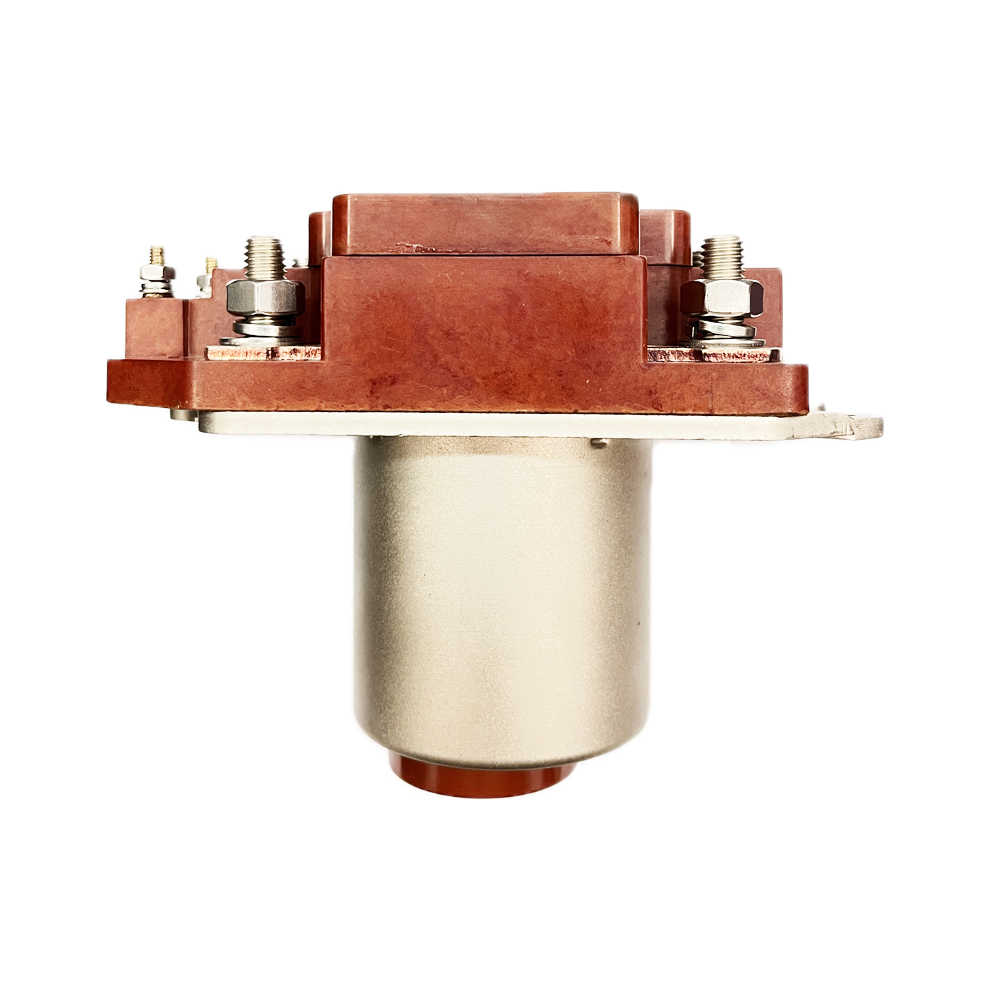
DC contactors are essential components in various electronic applications, particularly where switching high DC voltages and currents is required. These devices are designed to control the flow of direct current in electrical circuits, allowing for efficient management of energy. Understanding the role and operations of DC contactors is crucial for professionals in the electronic components industry, especially those involved in the design and implementation of control systems.
One of the primary functions of a DC contactor is to act as a switch that can open or close a circuit. This capability is vital in applications ranging from motor control to renewable energy systems, such as solar panels and battery management systems. The design of a DC contactor typically includes a coil, contacts, and an enclosure that protects the internal components from environmental factors. When an electrical signal is applied to the coil, it creates a magnetic field that moves the contacts together or apart, thereby switching the circuit on or off.
One of the notable advantages of DC contactors is their ability to handle high inrush currents, which are often encountered in motor applications. This characteristic not only enhances the reliability of the overall system but also extends the lifespan of connected components by reducing wear and tear. Furthermore, DC contactors are designed with low resistance in mind, ensuring minimal power loss during operation, which is particularly important in battery-powered systems.
In terms of applications, DC contactors are widely used in industrial automation, electric vehicles, and various renewable energy systems. For example, in electric vehicles, DC contactors play a crucial role in controlling the power distribution between the battery and the electric motor. Similarly, in renewable energy systems, they can be utilized to manage energy flow from solar panels to storage batteries or inverters, thereby optimizing energy efficiency.
It is also important to consider the selection criteria for DC contactors based on the specific application requirements. Factors such as voltage rating, current rating, and switching capacity should be evaluated to ensure that the chosen contactor can handle the operational demands without failure. Additionally, understanding the thermal performance and environmental conditions where the contactor will be installed is essential for maintaining operational integrity.
In conclusion, DC contactors are integral to the effective management of direct current in various electronic applications. Their ability to efficiently control high currents and voltages makes them a valuable asset in modern electrical systems. Professionals in the electronic components industry must stay informed about the advancements and best practices associated with DC contactors to ensure optimal performance and reliability in their projects.
One of the primary functions of a DC contactor is to act as a switch that can open or close a circuit. This capability is vital in applications ranging from motor control to renewable energy systems, such as solar panels and battery management systems. The design of a DC contactor typically includes a coil, contacts, and an enclosure that protects the internal components from environmental factors. When an electrical signal is applied to the coil, it creates a magnetic field that moves the contacts together or apart, thereby switching the circuit on or off.
One of the notable advantages of DC contactors is their ability to handle high inrush currents, which are often encountered in motor applications. This characteristic not only enhances the reliability of the overall system but also extends the lifespan of connected components by reducing wear and tear. Furthermore, DC contactors are designed with low resistance in mind, ensuring minimal power loss during operation, which is particularly important in battery-powered systems.
In terms of applications, DC contactors are widely used in industrial automation, electric vehicles, and various renewable energy systems. For example, in electric vehicles, DC contactors play a crucial role in controlling the power distribution between the battery and the electric motor. Similarly, in renewable energy systems, they can be utilized to manage energy flow from solar panels to storage batteries or inverters, thereby optimizing energy efficiency.
It is also important to consider the selection criteria for DC contactors based on the specific application requirements. Factors such as voltage rating, current rating, and switching capacity should be evaluated to ensure that the chosen contactor can handle the operational demands without failure. Additionally, understanding the thermal performance and environmental conditions where the contactor will be installed is essential for maintaining operational integrity.
In conclusion, DC contactors are integral to the effective management of direct current in various electronic applications. Their ability to efficiently control high currents and voltages makes them a valuable asset in modern electrical systems. Professionals in the electronic components industry must stay informed about the advancements and best practices associated with DC contactors to ensure optimal performance and reliability in their projects.
Previous:
Xi'an Yuli Electronic Technology Co., Ltd.
Whats App:+8618122061211

Message consultation
Note: Please leave your contact information and our professionals will contact you as soon as possible!