Welcome to the official website of Xi'an Yuli Electronic Technology Co., Ltd.


Understanding Electromagnetic Contactors: A Practical Guide for Industry Professionals
2026-03-06
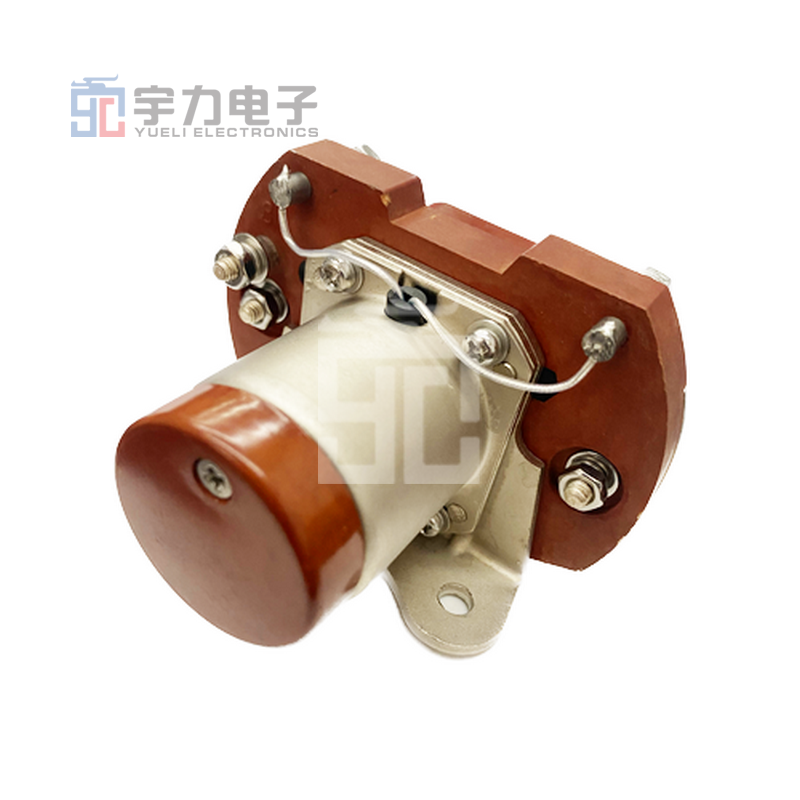
Electromagnetic contactors are pivotal components in the field of electronic devices, acting as switches that manage the flow of electricity in various applications. They serve as the backbone of many industrial and commercial electrical systems, facilitating the control of high-voltage loads such as motors, lighting, and heating elements. Understanding how electromagnetic contactors function and their critical applications can significantly impact system efficiency and reliability.
At the core of an electromagnetic contactor is the electromagnetic coil, which, when energized, creates a magnetic field that attracts a movable armature. This mechanism allows the contactor to close or open the circuit, effectively controlling the power supply to the connected load. The design of these devices allows for rapid switching, making them ideal for applications requiring frequent on-off operations.
One of the foremost advantages of electromagnetic contactors is their ability to handle high current loads. They are designed to endure the stresses of electrical arcing and can manage load fluctuations, which is vital in industrial settings. Additionally, many contactors come equipped with protective features such as overload relays and auxiliary contacts, which enhance system safety and reliability.
When selecting an electromagnetic contactor for a specific application, it is important to consider several key factors. The voltage and current ratings should match the requirements of the load, ensuring optimal performance. The type of contacts—normally open or normally closed—should align with the desired operation of the system. Furthermore, environmental conditions such as temperature, humidity, and presence of contaminants must be taken into account, as these factors can influence the longevity and reliability of the contactor.
The application of electromagnetic contactors spans across numerous sectors, including manufacturing, HVAC systems, and renewable energy installations. In manufacturing, they are often used to control conveyor belts and robotic systems, where precision and reliability are paramount. In HVAC systems, contactors manage compressors and fans, contributing to energy efficiency and effective climate control. The rising demand for renewable energy solutions has also seen an increase in the use of contactors in solar power systems, where they help manage the flow of electricity from inverters to the grid.
In summary, electromagnetic contactors are essential devices in modern electrical systems, providing reliability and performance across various applications. A comprehensive understanding of their operation, selection criteria, and applications can empower professionals to make informed decisions, ensuring optimal system functionality and longevity. By focusing on the key aspects of electromagnetic contactors, industry professionals can enhance their expertise and contribute to the efficient design and implementation of electrical systems.
At the core of an electromagnetic contactor is the electromagnetic coil, which, when energized, creates a magnetic field that attracts a movable armature. This mechanism allows the contactor to close or open the circuit, effectively controlling the power supply to the connected load. The design of these devices allows for rapid switching, making them ideal for applications requiring frequent on-off operations.
One of the foremost advantages of electromagnetic contactors is their ability to handle high current loads. They are designed to endure the stresses of electrical arcing and can manage load fluctuations, which is vital in industrial settings. Additionally, many contactors come equipped with protective features such as overload relays and auxiliary contacts, which enhance system safety and reliability.
When selecting an electromagnetic contactor for a specific application, it is important to consider several key factors. The voltage and current ratings should match the requirements of the load, ensuring optimal performance. The type of contacts—normally open or normally closed—should align with the desired operation of the system. Furthermore, environmental conditions such as temperature, humidity, and presence of contaminants must be taken into account, as these factors can influence the longevity and reliability of the contactor.
The application of electromagnetic contactors spans across numerous sectors, including manufacturing, HVAC systems, and renewable energy installations. In manufacturing, they are often used to control conveyor belts and robotic systems, where precision and reliability are paramount. In HVAC systems, contactors manage compressors and fans, contributing to energy efficiency and effective climate control. The rising demand for renewable energy solutions has also seen an increase in the use of contactors in solar power systems, where they help manage the flow of electricity from inverters to the grid.
In summary, electromagnetic contactors are essential devices in modern electrical systems, providing reliability and performance across various applications. A comprehensive understanding of their operation, selection criteria, and applications can empower professionals to make informed decisions, ensuring optimal system functionality and longevity. By focusing on the key aspects of electromagnetic contactors, industry professionals can enhance their expertise and contribute to the efficient design and implementation of electrical systems.
Xi'an Yuli Electronic Technology Co., Ltd.
Whats App:+8618122061211

Message consultation
Note: Please leave your contact information and our professionals will contact you as soon as possible!