Welcome to the official website of Xi'an Yuli Electronic Technology Co., Ltd.


Understanding DC Contactors: Key Components and Applications in Electronic Devices
2026-03-08
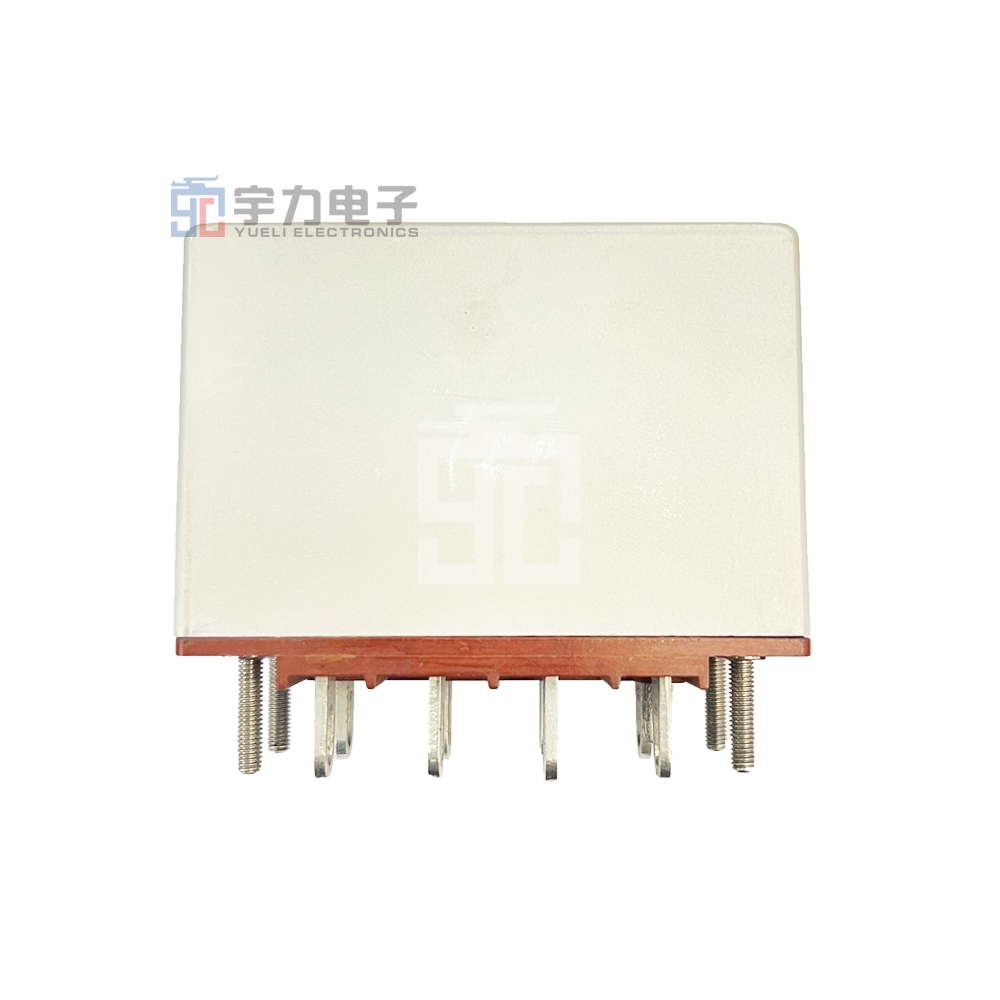
DC contactors are electromagnetic switches designed specifically for direct current applications. They are essential components in many electronic and electrical systems, providing a means of controlling high-current devices safely and efficiently. Unlike their AC counterparts, DC contactors are engineered to handle the unique challenges posed by direct current, such as the need for rapid arc suppression and high thermal stability.
One of the primary advantages of DC contactors is their ability to manage high inrush currents while maintaining operational reliability. This is particularly important in applications where motors or inductive loads are involved, as these loads tend to draw significantly higher currents during startup. DC contactors often incorporate features such as arc extinguishing mechanisms and robust contact materials to mitigate wear and extend the lifespan of the device.
The construction of a DC contactor typically consists of an electromagnetic coil, movable armature, and contact points. When voltage is applied to the coil, it generates a magnetic field that pulls the armature down, closing the contacts and allowing current to flow through the circuit. The design and materials used for the contacts are critical, as they must be able to sustain the electrical loads without fusing or degrading over time. Common contact materials include silver alloys, which offer excellent conductivity and resistance to welding.
In terms of applications, DC contactors are widely used in industries ranging from automotive to renewable energy. In electric vehicles, for instance, they control the power supply to motors and battery management systems, ensuring efficient energy usage and safety. In renewable energy systems, such as solar inverters, DC contactors are vital for switching between charging and discharging modes, facilitating optimal energy management.
When selecting a DC contactor for a specific application, several factors should be considered, including voltage and current ratings, switching frequency, and environmental conditions. It's also essential to assess the contactor's duty cycle, as this determines how often the device can be activated without overheating or failing. Choosing the right DC contactor can significantly enhance the reliability and efficiency of electronic systems.
In summary, DC contactors are indispensable components in the realm of electronic devices, providing efficient control over direct current circuits. Their robust design and specialized features make them suitable for a variety of applications, ensuring that electronic systems operate safely and effectively. Understanding the technical aspects of these devices will empower professionals to make informed decisions when integrating contactors into their systems.
One of the primary advantages of DC contactors is their ability to manage high inrush currents while maintaining operational reliability. This is particularly important in applications where motors or inductive loads are involved, as these loads tend to draw significantly higher currents during startup. DC contactors often incorporate features such as arc extinguishing mechanisms and robust contact materials to mitigate wear and extend the lifespan of the device.
The construction of a DC contactor typically consists of an electromagnetic coil, movable armature, and contact points. When voltage is applied to the coil, it generates a magnetic field that pulls the armature down, closing the contacts and allowing current to flow through the circuit. The design and materials used for the contacts are critical, as they must be able to sustain the electrical loads without fusing or degrading over time. Common contact materials include silver alloys, which offer excellent conductivity and resistance to welding.
In terms of applications, DC contactors are widely used in industries ranging from automotive to renewable energy. In electric vehicles, for instance, they control the power supply to motors and battery management systems, ensuring efficient energy usage and safety. In renewable energy systems, such as solar inverters, DC contactors are vital for switching between charging and discharging modes, facilitating optimal energy management.
When selecting a DC contactor for a specific application, several factors should be considered, including voltage and current ratings, switching frequency, and environmental conditions. It's also essential to assess the contactor's duty cycle, as this determines how often the device can be activated without overheating or failing. Choosing the right DC contactor can significantly enhance the reliability and efficiency of electronic systems.
In summary, DC contactors are indispensable components in the realm of electronic devices, providing efficient control over direct current circuits. Their robust design and specialized features make them suitable for a variety of applications, ensuring that electronic systems operate safely and effectively. Understanding the technical aspects of these devices will empower professionals to make informed decisions when integrating contactors into their systems.
Xi'an Yuli Electronic Technology Co., Ltd.
Whats App:+8618122061211

Message consultation
Note: Please leave your contact information and our professionals will contact you as soon as possible!