Welcome to the official website of Xi'an Yuli Electronic Technology Co., Ltd.


The Importance of Electromagnetic Relays in Safety Systems
2026-03-09
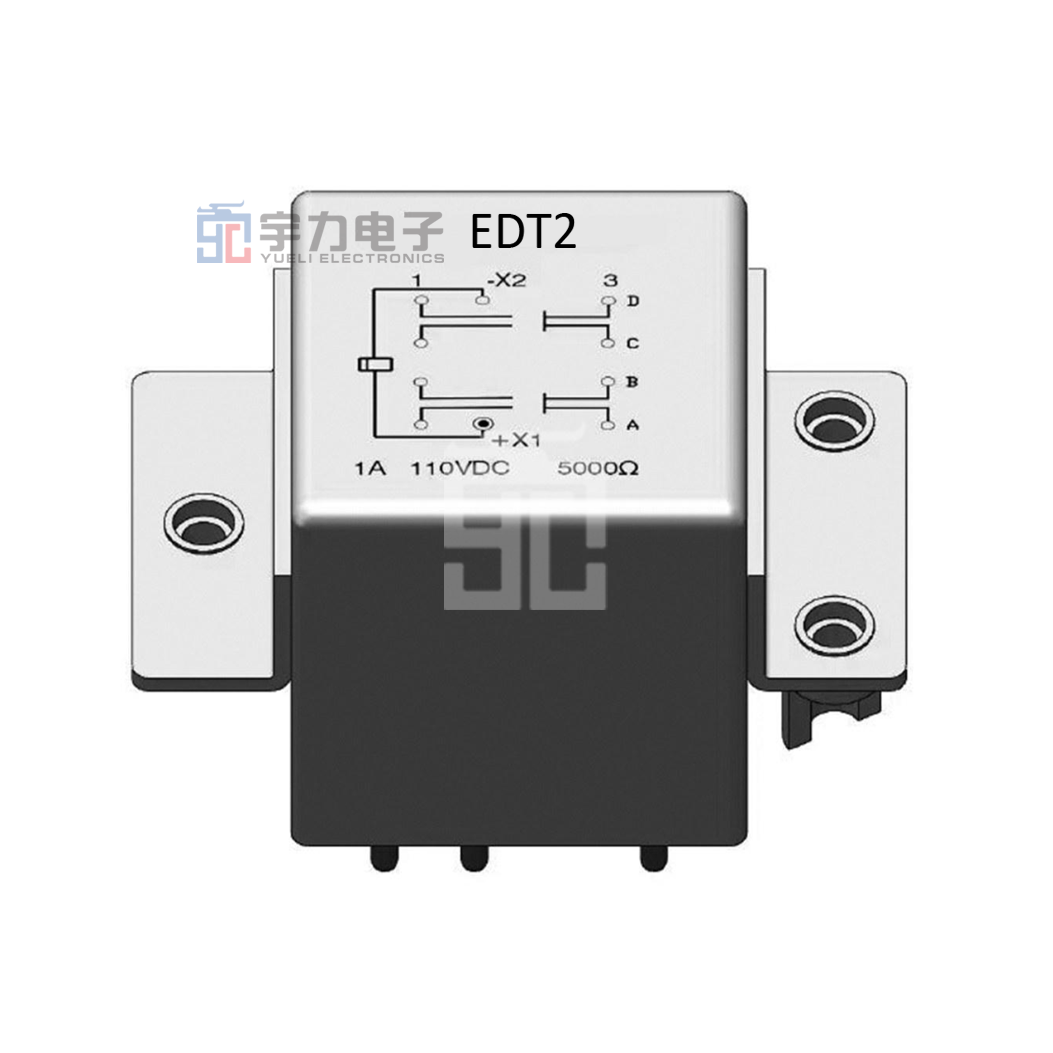
The Importance of Electromagnetic Relays in Safety Systems
Table of Contents
1. Introduction to Electromagnetic Relays
2. What are Electromagnetic Relays?
3. Key Components of Electromagnetic Relays
4. Working Principle of Electromagnetic Relays
5. Applications of Electromagnetic Relays in Safety Systems
6. Advantages of Using Electromagnetic Relays
7. Common Types of Electromagnetic Relays and Their Functions
8. Future Trends in Electromagnetic Relay Technology
9. FAQs about Electromagnetic Relays
10. Conclusion
1. Introduction to Electromagnetic Relays
In modern industrial settings, safety systems are a critical aspect of operations. Among the tools used to enhance safety and reliability, **electromagnetic relays** hold a significant position. Their ability to control high-power devices from low-power signals makes them indispensable in various applications, from manufacturing to home automation. Understanding the importance of these devices is crucial for any organization that prioritizes safety and efficiency.
2. What are Electromagnetic Relays?
Electromagnetic relays are electrically operated switches that use an electromagnet to mechanically operate a switching mechanism. When an electric current passes through the coil of the relay, it generates a magnetic field that pulls a lever or armature to open or close a circuit. This functionality enables the control of larger currents and voltages by using much smaller ones, making them essential in numerous safety systems.
3. Key Components of Electromagnetic Relays
Understanding the components of electromagnetic relays is vital for grasping their operation. The key components include:
3.1 Coil
The coil is the heart of the relay. When current flows through it, it generates a magnetic field.
3.2 Armature
The armature is a movable part that responds to the magnetic field generated by the coil. It establishes or breaks the electrical contact.
3.3 Contacts
Contacts can be normally open (NO) or normally closed (NC) and are the points of electrical connection in the circuit.
3.4 Spring
The spring returns the armature to its default position when the coil is de-energized, ensuring the relay functions correctly.
4. Working Principle of Electromagnetic Relays
The operation of electromagnetic relays relies on electromagnetic induction. When a voltage is applied to the relay coil, it generates a magnetic field that attracts the armature. This mechanical movement switches the relay's contacts, either opening or closing the circuit as needed. Upon deactivation of the coil, the spring mechanism returns the armature to its original position, returning the relay to its default state.
5. Applications of Electromagnetic Relays in Safety Systems
Electromagnetic relays are used in a wide range of safety systems, including:
5.1 Fire Alarm Systems
In fire alarm systems, electromagnetic relays ensure that alarms are triggered and emergency systems are activated without delay, providing timely responses to potential hazards.
5.2 Industrial Automation
In manufacturing plants, these relays control heavy machinery, ensuring that safety protocols are adhered to and preventing accidents caused by equipment malfunctions.
5.3 HVAC Systems
Electromagnetic relays play a crucial role in heating, ventilation, and air conditioning systems, regulating temperature and airflow to maintain a safe environment.
5.4 Home Security Systems
In residential settings, electromagnetic relays are integral to home security systems, controlling alarms and surveillance equipment to protect against intrusions.
6. Advantages of Using Electromagnetic Relays
The benefits of electromagnetic relays in safety systems are numerous, including:
6.1 Reliability
Electromagnetic relays are known for their durability and operational reliability. They can withstand harsh conditions, making them suitable for industrial environments.
6.2 Versatility
These relays can be used in various applications, from simple home devices to complex industrial machinery, showcasing their adaptability.
6.3 Cost-Effectiveness
Compared to solid-state devices, electromagnetic relays are often more affordable, providing a budget-friendly solution without compromising safety.
7. Common Types of Electromagnetic Relays and Their Functions
Different types of electromagnetic relays serve various functions:
7.1 General Purpose Relays
Used in everyday applications, these relays offer basic switching capabilities.
7.2 Latching Relays
Latching relays maintain their position after being actuated, useful in applications where constant power is not available.
7.3 Time Delay Relays
These relays introduce a delay in switching operations, crucial for processes that require a specific timing sequence.
7.4 Overload Relays
Designed to protect circuits from overload conditions, these relays prevent damage to equipment by interrupting the current flow when excessive load is detected.
8. Future Trends in Electromagnetic Relay Technology
As technology advances, electromagnetic relays are evolving. Emerging trends include:
8.1 Miniaturization
Advancements in technology have led to the development of smaller relays that maintain performance while occupying less space.
8.2 Smart Relays
Incorporating smart technology, these relays can communicate with other devices, enhancing automation and control in safety systems.
8.3 Enhanced Durability
Future relays are being designed to withstand more extreme environmental conditions, ensuring long-term reliability in various applications.
9. FAQs about Electromagnetic Relays
9.1 What is the lifespan of an electromagnetic relay?
The lifespan can vary based on usage and environmental conditions, but many relays can last thousands of cycles before requiring replacement.
9.2 Are electromagnetic relays safe to use?
Yes, when installed and maintained properly, they are considered safe and reliable components in electrical systems.
9.3 How do I choose the right relay for my application?
Consider factors such as voltage rating, current capacity, and the specific application requirements when selecting a relay.
9.4 Can electromagnetic relays be used in automotive applications?
Yes, they are commonly used in vehicles for controlling various systems, demonstrating their versatility.
9.5 What are the signs that an electromagnetic relay needs replacement?
Signs include inconsistent operation, physical damage, or reduced performance, indicating the need for inspection or replacement.
10. Conclusion
Electromagnetic relays are fundamental components in safety systems, providing reliable and efficient control of high-power operations. Their versatility, durability, and cost-effectiveness make them indispensable across various industries. Understanding their functioning and applications not only enhances safety protocols but also ensures optimal performance in different environments. As technology progresses, the future of electromagnetic relays promises even greater innovations, solidifying their importance in modern safety systems.
Previous:
Xi'an Yuli Electronic Technology Co., Ltd.
Whats App:+8618122061211

Message consultation
Note: Please leave your contact information and our professionals will contact you as soon as possible!