Welcome to the official website of Xi'an Yuli Electronic Technology Co., Ltd.


Understanding High Power Relays: Essential Insights for Electronic Component Professionals
2026-03-10
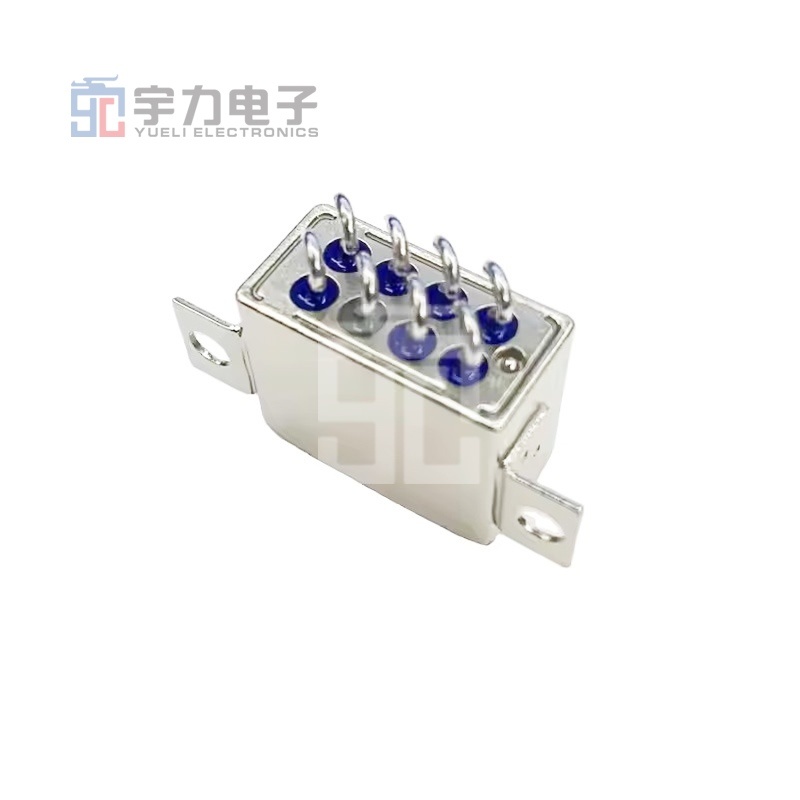
High power relays are critical components in the realm of electronic devices, serving the essential function of controlling high voltage and high current circuits. Unlike standard relays, high power relays are engineered to handle significant energy loads, making them indispensable in various industrial applications, including power distribution, automotive systems, and automation technologies.
The primary function of a high power relay is to act as an electrically operated switch, allowing low power control circuits to manage larger power circuits without direct contact. This operational mechanism not only enhances safety by isolating control circuitry from high voltage outputs but also improves overall system reliability. High power relays typically feature robust materials and advanced engineering designs that enable them to withstand the stresses associated with high load conditions.
When selecting a high power relay, several technical specifications must be considered. These include the maximum current and voltage ratings, coil voltage, switching capacity, and physical dimensions. Additionally, the relay's contact configuration, often available in normally open (NO) or normally closed (NC) configurations, plays a significant role in its application suitability. Understanding these parameters ensures that the chosen relay will meet the demands of the specific tasks it is intended to perform.
Another essential aspect of high power relays is their response time and durability. The switching speed of a relay can affect the overall efficiency of an electronic system, especially in applications involving rapid changes in power demands. Additionally, factors such as operating temperature range, mechanical life, and electrical life are crucial for determining the long-term reliability of the relay in demanding environments.
In terms of applications, high power relays are utilized in a variety of sectors. In the automotive industry, for instance, they are used to manage power distribution for lighting, heating, and motor control systems. Similarly, in industrial settings, high power relays are employed to control machinery and process equipment, ensuring safe and efficient operation in manufacturing processes.
The advancement of technology has also led to the development of solid-state relays, which offer alternative solutions for high-power applications. These relays provide faster switching times and greater longevity compared to their electromechanical counterparts, although the choice between solid-state and traditional high power relays depends on the specific requirements of the application.
In summary, high power relays are vital components in the electronic component landscape, particularly within the relay sector. Their unique functionality, robust design, and diverse applications make them a key area of focus for professionals seeking to enhance system performance and reliability. By understanding the nuances of high power relays, industry professionals can better navigate the complexities of electronic design and implementation.
The primary function of a high power relay is to act as an electrically operated switch, allowing low power control circuits to manage larger power circuits without direct contact. This operational mechanism not only enhances safety by isolating control circuitry from high voltage outputs but also improves overall system reliability. High power relays typically feature robust materials and advanced engineering designs that enable them to withstand the stresses associated with high load conditions.
When selecting a high power relay, several technical specifications must be considered. These include the maximum current and voltage ratings, coil voltage, switching capacity, and physical dimensions. Additionally, the relay's contact configuration, often available in normally open (NO) or normally closed (NC) configurations, plays a significant role in its application suitability. Understanding these parameters ensures that the chosen relay will meet the demands of the specific tasks it is intended to perform.
Another essential aspect of high power relays is their response time and durability. The switching speed of a relay can affect the overall efficiency of an electronic system, especially in applications involving rapid changes in power demands. Additionally, factors such as operating temperature range, mechanical life, and electrical life are crucial for determining the long-term reliability of the relay in demanding environments.
In terms of applications, high power relays are utilized in a variety of sectors. In the automotive industry, for instance, they are used to manage power distribution for lighting, heating, and motor control systems. Similarly, in industrial settings, high power relays are employed to control machinery and process equipment, ensuring safe and efficient operation in manufacturing processes.
The advancement of technology has also led to the development of solid-state relays, which offer alternative solutions for high-power applications. These relays provide faster switching times and greater longevity compared to their electromechanical counterparts, although the choice between solid-state and traditional high power relays depends on the specific requirements of the application.
In summary, high power relays are vital components in the electronic component landscape, particularly within the relay sector. Their unique functionality, robust design, and diverse applications make them a key area of focus for professionals seeking to enhance system performance and reliability. By understanding the nuances of high power relays, industry professionals can better navigate the complexities of electronic design and implementation.
Xi'an Yuli Electronic Technology Co., Ltd.
Whats App:+8618122061211

Message consultation
Note: Please leave your contact information and our professionals will contact you as soon as possible!