Welcome to the official website of Xi'an Yuli Electronic Technology Co., Ltd.


The Essential Guide to Sealed Relays: Understanding Their Applications and Benefits
2026-03-12
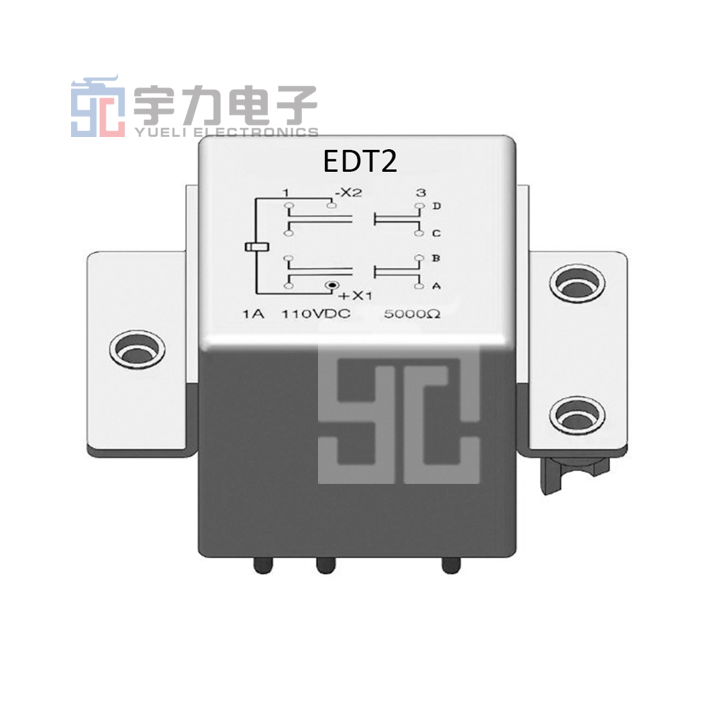
Sealed relays are a specialized type of relay designed with a protective enclosure that prevents external contaminants such as dust, moisture, and dirt from entering the relay mechanism. This feature makes them particularly valuable in harsh environments where reliability is paramount. Unlike standard relays, which may be susceptible to environmental factors, sealed relays maintain consistent performance, making them a preferred choice in many applications.
One of the key benefits of sealed relays is their enhanced durability. These relays are constructed to withstand extreme conditions, making them ideal for use in automotive, industrial, and outdoor applications. The sealed design significantly reduces the risk of contact corrosion and wear, extending the relay's operational lifespan. As a result, manufacturers and engineers increasingly incorporate sealed relays into their designs to ensure long-term reliability and reduced maintenance costs.
In addition to durability, sealed relays also offer superior performance in terms of switching capabilities. They can handle larger current loads and operate more efficiently than their unsealed counterparts. This capability is critical in applications where power fluctuations are common, as sealed relays can provide stable and consistent operation. The ability to function effectively under varying conditions is a significant advantage, making them suitable for mission-critical systems that cannot afford downtime.
Sealed relays are widely utilized in various sectors, including telecommunications, automotive, and consumer electronics. In automotive applications, for example, they are often used in control systems, lighting, and safety mechanisms. Their resistance to moisture and heat makes them ideal for automotive environments, where exposure to such elements is a regular occurrence. Similarly, in telecommunications, sealed relays help ensure that signaling and control systems function reliably, even in challenging conditions.
When selecting sealed relays for your projects, consider factors such as the operating voltage, current rating, and the specific environmental conditions they will face. Understanding these parameters will help you choose the right relay that meets your application's requirements. Furthermore, it's important to evaluate the mounting options and physical dimensions to ensure compatibility with your designs.
In summary, sealed relays are vital components in the electronic components industry, particularly in applications requiring high reliability and durability. Their ability to withstand harsh environmental conditions, combined with their superior performance characteristics, makes them an ideal choice for various industries. As technology continues to advance, the demand for sealed relays is likely to grow, further solidifying their position as essential components in modern electronic systems.
One of the key benefits of sealed relays is their enhanced durability. These relays are constructed to withstand extreme conditions, making them ideal for use in automotive, industrial, and outdoor applications. The sealed design significantly reduces the risk of contact corrosion and wear, extending the relay's operational lifespan. As a result, manufacturers and engineers increasingly incorporate sealed relays into their designs to ensure long-term reliability and reduced maintenance costs.
In addition to durability, sealed relays also offer superior performance in terms of switching capabilities. They can handle larger current loads and operate more efficiently than their unsealed counterparts. This capability is critical in applications where power fluctuations are common, as sealed relays can provide stable and consistent operation. The ability to function effectively under varying conditions is a significant advantage, making them suitable for mission-critical systems that cannot afford downtime.
Sealed relays are widely utilized in various sectors, including telecommunications, automotive, and consumer electronics. In automotive applications, for example, they are often used in control systems, lighting, and safety mechanisms. Their resistance to moisture and heat makes them ideal for automotive environments, where exposure to such elements is a regular occurrence. Similarly, in telecommunications, sealed relays help ensure that signaling and control systems function reliably, even in challenging conditions.
When selecting sealed relays for your projects, consider factors such as the operating voltage, current rating, and the specific environmental conditions they will face. Understanding these parameters will help you choose the right relay that meets your application's requirements. Furthermore, it's important to evaluate the mounting options and physical dimensions to ensure compatibility with your designs.
In summary, sealed relays are vital components in the electronic components industry, particularly in applications requiring high reliability and durability. Their ability to withstand harsh environmental conditions, combined with their superior performance characteristics, makes them an ideal choice for various industries. As technology continues to advance, the demand for sealed relays is likely to grow, further solidifying their position as essential components in modern electronic systems.
Xi'an Yuli Electronic Technology Co., Ltd.
Whats App:+8618122061211

Message consultation
Note: Please leave your contact information and our professionals will contact you as soon as possible!