Welcome to the official website of Xi'an Yuli Electronic Technology Co., Ltd.


Innovations in Three Phase Relay Technology: What to Expect
2026-03-13
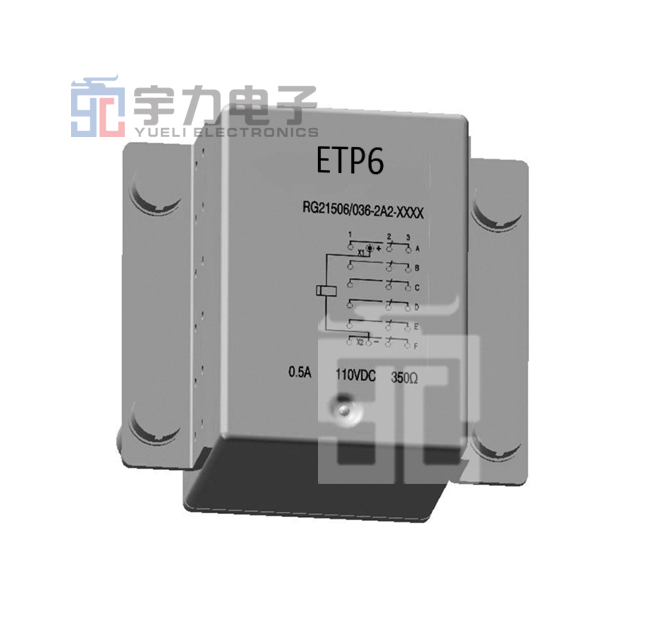
Innovations in Three Phase Relay Technology: What to Expect
Table of Contents
- 1. Introduction to Three Phase Relay Technology
- 2. Importance of Three Phase Relays in Modern Electrical Systems
- 3. Recent Innovations in Three Phase Relay Technology
- 3.1 Smart Relays: The Future of Automation
- 3.2 Enhanced Safety Features
- 3.3 Energy Efficiency Improvements
- 4. Applications of Advanced Three Phase Relay Technologies
- 5. Future Trends in Three Phase Relay Technology
- 6. Challenges Facing Three Phase Relay Innovations
- 7. Frequently Asked Questions
- 8. Conclusion
1. Introduction to Three Phase Relay Technology
Three-phase relay technology plays a crucial role in electrical systems, particularly in industrial applications where consistent and reliable performance is essential. These relays are designed to handle three-phase power systems, providing protection, control, and monitoring functions. As the demand for more advanced and efficient electrical systems grows, so does the need for innovations in relay technology.
2. Importance of Three Phase Relays in Modern Electrical Systems
The importance of three-phase relays cannot be overstated. They are essential for ensuring the safety and efficiency of electrical systems. Here are some key reasons why they are vital:
2.1 Protection Against Faults
Three-phase relays detect faults such as short circuits, overloads, and phase imbalances. By quickly disconnecting the affected portions of a system, they prevent damage to equipment and enhance operational safety.
2.2 Control and Monitoring
These relays provide real-time monitoring of electrical parameters, allowing for better control of machinery and processes. This capability is particularly important in automated settings where precision is crucial.
2.3 Enhanced System Reliability
The use of advanced relay technologies improves the overall reliability of electrical systems. With the ability to quickly respond to changes in the system, three-phase relays ensure continuous operation and minimize downtime.
3. Recent Innovations in Three Phase Relay Technology
In recent years, several innovations have emerged in three-phase relay technology, enhancing performance and functionality. Below are some of the most significant advancements.
3.1 Smart Relays: The Future of Automation
Smart relays integrate advanced digital technologies, allowing for greater automation and control. These relays can communicate with other devices, providing seamless integration into the Internet of Things (IoT). This connectivity enables remote monitoring and control, reducing the need for on-site personnel and increasing operational efficiency.
3.2 Enhanced Safety Features
Safety is paramount in electrical systems, and recent innovations have focused on improving safety features in three-phase relays. New designs incorporate advanced fault detection algorithms and self-diagnostic capabilities, allowing for proactive maintenance and reducing the risk of failure. Additionally, features such as arc flash protection further enhance worker safety in industrial environments.
3.3 Energy Efficiency Improvements
As industries strive to reduce energy consumption and meet sustainability goals, energy-efficient relay technology has become a priority. Innovations such as load management capabilities and automatic power factor correction allow for optimized energy use, leading to significant cost savings and reduced environmental impact.
4. Applications of Advanced Three Phase Relay Technologies
The advancements in three-phase relay technology have opened up new avenues for application across various industries. Some prominent applications include:
4.1 Industrial Automation
In manufacturing settings, three-phase relays are integral to automation systems. They ensure that machinery operates within safe parameters and quickly respond to any irregularities, preventing costly downtime.
4.2 Renewable Energy Systems
As the world shifts toward renewable energy sources, three-phase relays are critical in managing and integrating solar panels, wind turbines, and other renewable systems into the electrical grid. Their ability to handle variable loads and provide real-time monitoring is essential for the reliable operation of these systems.
4.3 Electric Vehicle Charging Stations
With the rise of electric vehicles, three-phase relays are increasingly used in charging stations. They provide the necessary control and safety features to manage the charging process efficiently and securely.
5. Future Trends in Three Phase Relay Technology
The future of three-phase relay technology looks promising, with several trends expected to shape its evolution:
5.1 Increased Use of Artificial Intelligence
Artificial intelligence (AI) is set to transform the way three-phase relays operate. AI algorithms can analyze vast amounts of data from electrical systems, enabling predictive maintenance and real-time decision-making. This innovation is likely to enhance system reliability and reduce operational costs.
5.2 Enhanced Cybersecurity Measures
As more relay systems connect to networks, the need for robust cybersecurity measures becomes crucial. Future innovations will likely focus on the development of secure communication protocols to protect against cyber threats, ensuring the integrity of electrical systems.
5.3 Miniaturization and Integration
The trend toward miniaturization will continue, with relays becoming smaller and more integrated into compact systems. This advancement will allow for more versatile applications and easier installation in tight spaces.
6. Challenges Facing Three Phase Relay Innovations
While the future of three-phase relay technology is bright, challenges remain:
6.1 Cost Implications
Although innovations often lead to improved performance, they may also come with higher costs. Manufacturers must balance the benefits of new technology with the financial implications for consumers.
6.2 Complexity of Implementation
As relay technology becomes more advanced, the complexity of implementation increases. This complexity may require more specialized knowledge and training for technicians, presenting a barrier to widespread adoption.
6.3 Regulatory Compliance
Compliance with evolving industry regulations can pose challenges for manufacturers and users of three-phase relays. Ensuring that new products meet safety and operational standards is a critical consideration in the development process.
7. Frequently Asked Questions
7.1 What is a three-phase relay?
A three-phase relay is an electrical device that monitors and controls three-phase power systems. It provides protection against faults and ensures the proper operation of electrical equipment.
7.2 How does a three-phase relay work?
Three-phase relays operate by continuously monitoring electrical parameters such as voltage and current. When they detect abnormalities, they trigger protective measures, such as disconnecting faulty equipment.
7.3 What are the benefits of using smart relays?
Smart relays offer enhanced automation, real-time monitoring, and improved communication capabilities, leading to increased efficiency and reduced operational costs.
7.4 How can three-phase relays improve energy efficiency?
By incorporating load management and power factor correction features, three-phase relays can optimize energy usage, resulting in lower energy costs and a reduced environmental footprint.
7.5 What challenges do manufacturers face in developing advanced three-phase relays?
Manufacturers must navigate cost implications, implementation complexity, and regulatory compliance, all of which can impact the development and adoption of new technologies.
8. Conclusion
Innovations in three-phase relay technology are transforming the landscape of electrical systems, paving the way for safer, more efficient, and smarter operations. As we look to the future, the integration of advanced features such as AI, enhanced safety measures, and energy efficiency improvements will continue to drive the evolution of these essential components. Embracing these innovations is key for industries seeking to enhance their electrical infrastructure and meet the demands of a rapidly changing world.
Xi'an Yuli Electronic Technology Co., Ltd.
Whats App:+8618122061211

Message consultation
Note: Please leave your contact information and our professionals will contact you as soon as possible!