Welcome to the official website of Xi'an Yuli Electronic Technology Co., Ltd.


Understanding Signal Relays: The Unsung Heroes of Electronic Circuits
2026-03-14
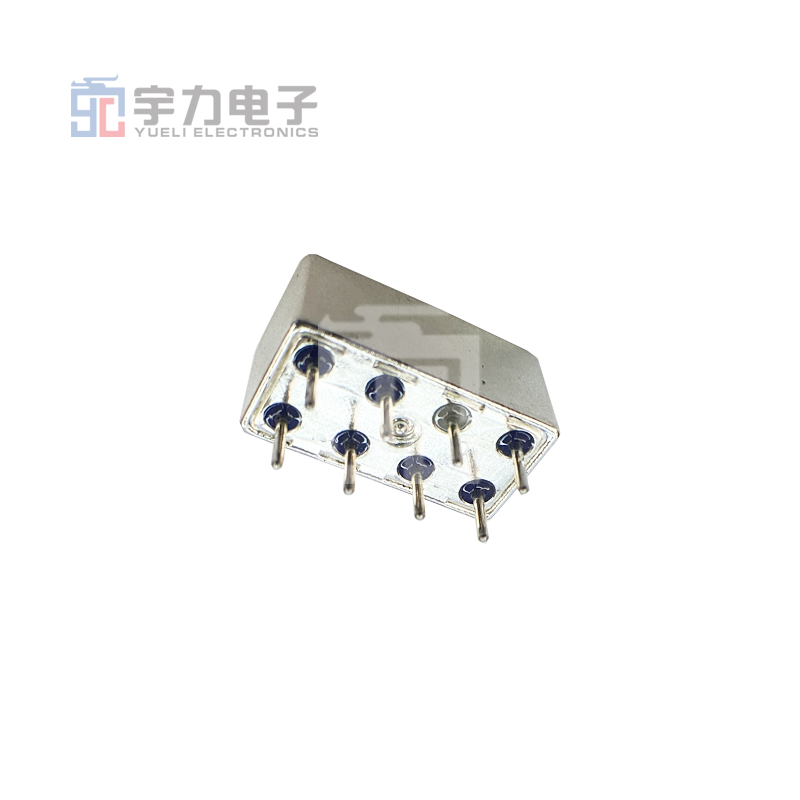
Signal relays are critical components in the realm of electronics, serving as a bridge between different circuits and enabling the control of high-power devices with low-power signals. Unlike regular relays, which may be designed to handle substantial power loads, signal relays are specifically tailored for low current and low voltage applications. Their main function is to isolate different sections of a circuit, which can protect sensitive electronic components from high voltages or currents that could cause damage.
One of the primary advantages of using signal relays is their ability to switch signals without direct contact between the controlling and controlled circuits. This is achieved through an electromagnetic mechanism that creates a magnetic field when electric current flows through a coil. This field then activates a switch that opens or closes the circuit. As a result, signal relays can effectively manage the interaction between different devices, facilitating the seamless operation of complex electronic systems.
In applications where signal integrity is paramount, such as in telecommunications, audio equipment, and data processing, signal relays help maintain the quality of the signals being transmitted. They are designed to have a high degree of reliability, which is crucial in mission-critical situations where even the smallest failure can lead to significant consequences.
Furthermore, signal relays are available in various configurations and specifications to cater to specific requirements. For example, the choice between normally open (NO) and normally closed (NC) configurations can significantly influence how a circuit behaves under different conditions. Additionally, factors such as switching speed, contact ratings, and isolation voltage must be considered when selecting the appropriate signal relay for a given application.
In terms of installation and maintenance, signal relays generally offer ease of use. They can be mounted onto printed circuit boards (PCBs) or installed in relay sockets, simplifying the integration into existing systems. It is also worth noting that many modern signal relays come with built-in features that enhance their performance, such as LED indicators for status monitoring and built-in protection against overload conditions.
In summary, signal relays are indispensable components that enhance the functionality and reliability of electronic devices. By understanding their working principles and applications, designers and engineers can leverage the benefits of signal relays to create more efficient and robust systems. Whether in automation, telecommunications, or consumer electronics, the role of signal relays cannot be overstated, making them truly the unsung heroes of electronic circuits.
One of the primary advantages of using signal relays is their ability to switch signals without direct contact between the controlling and controlled circuits. This is achieved through an electromagnetic mechanism that creates a magnetic field when electric current flows through a coil. This field then activates a switch that opens or closes the circuit. As a result, signal relays can effectively manage the interaction between different devices, facilitating the seamless operation of complex electronic systems.
In applications where signal integrity is paramount, such as in telecommunications, audio equipment, and data processing, signal relays help maintain the quality of the signals being transmitted. They are designed to have a high degree of reliability, which is crucial in mission-critical situations where even the smallest failure can lead to significant consequences.
Furthermore, signal relays are available in various configurations and specifications to cater to specific requirements. For example, the choice between normally open (NO) and normally closed (NC) configurations can significantly influence how a circuit behaves under different conditions. Additionally, factors such as switching speed, contact ratings, and isolation voltage must be considered when selecting the appropriate signal relay for a given application.
In terms of installation and maintenance, signal relays generally offer ease of use. They can be mounted onto printed circuit boards (PCBs) or installed in relay sockets, simplifying the integration into existing systems. It is also worth noting that many modern signal relays come with built-in features that enhance their performance, such as LED indicators for status monitoring and built-in protection against overload conditions.
In summary, signal relays are indispensable components that enhance the functionality and reliability of electronic devices. By understanding their working principles and applications, designers and engineers can leverage the benefits of signal relays to create more efficient and robust systems. Whether in automation, telecommunications, or consumer electronics, the role of signal relays cannot be overstated, making them truly the unsung heroes of electronic circuits.
Xi'an Yuli Electronic Technology Co., Ltd.
Whats App:+8618122061211

Message consultation
Note: Please leave your contact information and our professionals will contact you as soon as possible!